MaxCyte has agreed to buy Akron Bio for $151.8 million, adding a cell-therapy materials supplier as the company seeks a larger role in commercial manufacturing.
The purchase price combines $105 million in cash at closing, subject to customary adjustments, with 20,639,733 MaxCyte shares. The shares were valued at about $26.8 million using MaxCyte’s Nov. 9 closing price. The company will also make guaranteed payments of $10 million each on the first business day of January 2028 and January 2029, according to its acquisition release.
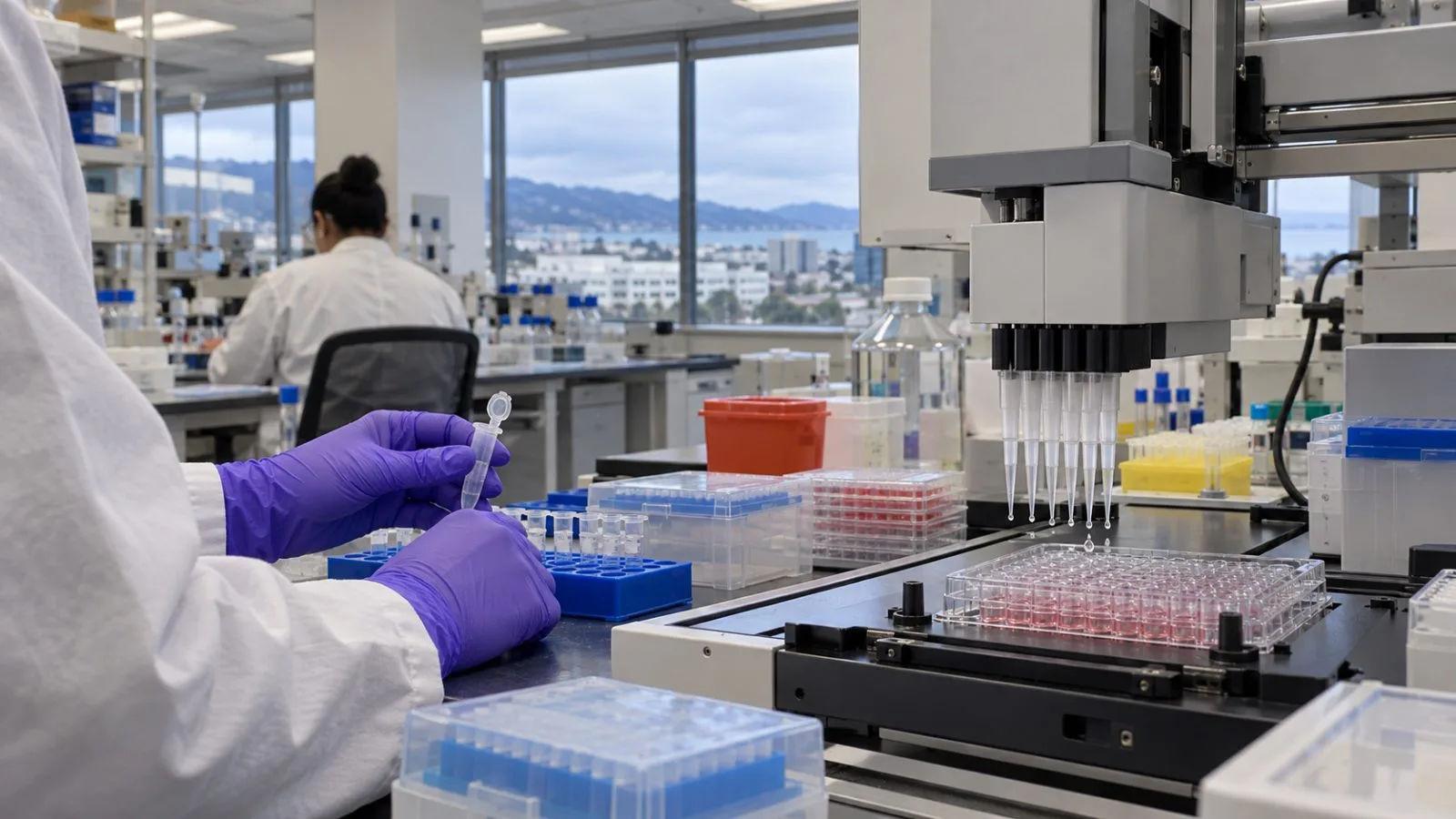
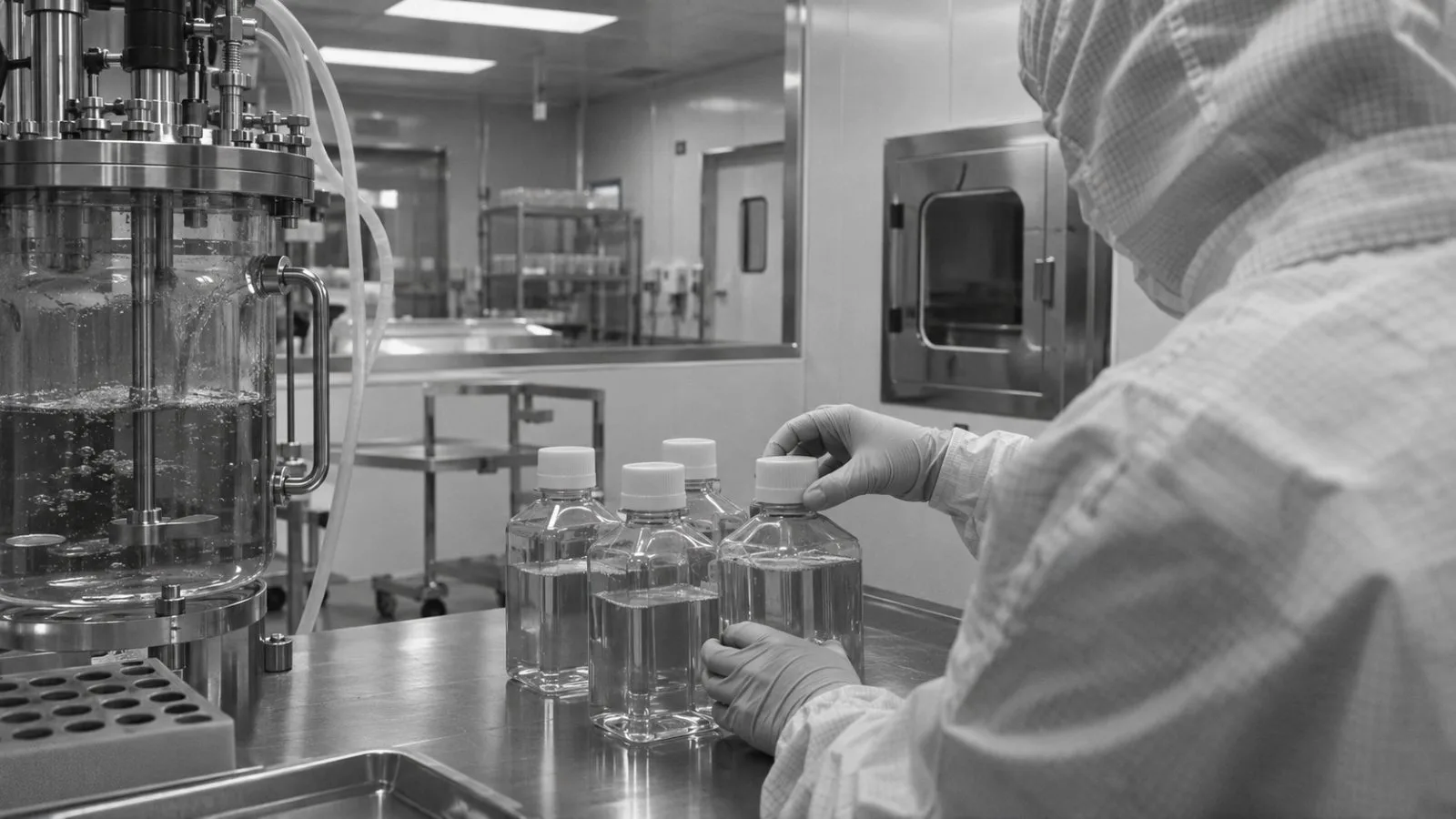
Akron BioProducts LLC, known as Akron Bio, supplies good manufacturing practice (GMP)-grade reagents and other materials used to make cell therapies. MaxCyte forecasts that the business will generate about $28 million in 2026 revenue, $7 million to $8 million in earnings before interest, taxes, depreciation and amortization, and positive cash flow.
MaxCyte expects Akron Bio’s consumables to provide a steadier revenue stream as more cell therapies reach commercial-scale manufacturing. The company says the two businesses are associated with more than 100 clinical programs and production processes for five commercially approved therapies.
MaxCyte reported $10.2 million in third-quarter 2026 revenue, up 49% from a year earlier, including $8.2 million in core revenue. It also arranged a credit facility of up to $75 million with MidCap Financial and expects to draw $22 million at closing, according to company filings.
Arcline affiliates are the sellers. MaxCyte says Arcline will receive shares as part of the consideration and participate in the combined company’s future value. The share issuance also carries a dilution risk for existing MaxCyte stockholders, the company’s SEC filing says.
MaxCyte says the agreement does not require shareholder approval and is not subject to a financing condition, though it expects to use the credit-facility draw at closing. The filing lists the applicable Hart-Scott-Rodino waiting period among the closing conditions. The company expects the deal to close before year-end 2026 if those conditions are met.