


 6 simple questions to tell if a ‘finfluencer’ is more flash than cash
  The ghost of Robodebt – Federal Court rules billions of dollars in welfare debts must be recalculated
  The Beauty Beneath the Expressway: A Journey from Self to Service
  Office design isn’t keeping up with post-COVID work styles - here’s what workers really want
  Booked to travel through the Middle East? Here’s why you shouldn’t cancel your flight
  The pandemic is still disrupting young people’s careers
  Why a ‘rip-off’ degree might be worth the money after all – research study
  Disaster or digital spectacle? The dangers of using floods to create social media content
  Why have so few atrocities ever been recognised as genocide?
  Want to cut your energy bills? Here’s how five experts are doing it
  Glastonbury is as popular than ever, but complaints about the lineup reveal its generational challenge
  Stuck in a creativity slump at work? Here are some surprising ways to get your spark back
  Yes, government influences wages – but not just in the way you might think
  How to support someone who is grieving: five research-backed strategies
  Time to buy local: war fuel price shocks reveal the folly of a long food supply chain
  Why financial hardship is more likely if you’re disabled or sick
  What is Zionism? The different meanings of a contested term


 Add as a preferred source on Google
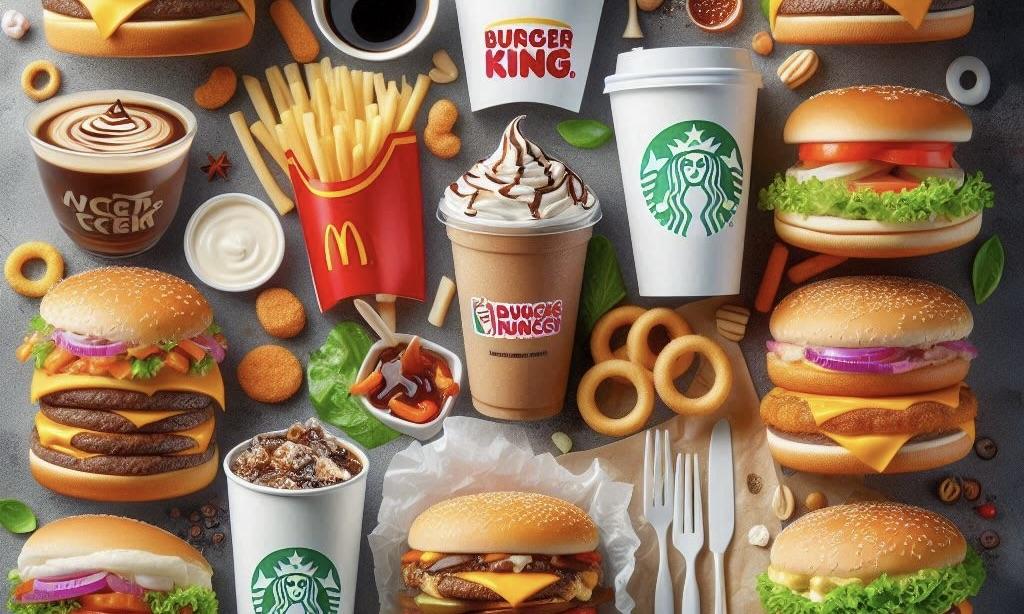
People managing tic disorders often face unique dietary concerns. While no menu item directly targets tics, certain choices may complement their efforts to avoid potential dietary triggers like processed additives, high sugar levels, and artificial flavors. Popular chains such as McDonald's, Burger King, Starbucks, and Dunkin’ offer menu items that may be suitable for individuals with these dietary considerations.
Mindful Options at McDonald’s
For those looking to limit processed ingredients, McDonald’s grilled menu items can be an effective choice. The Artisan Grilled Chicken Sandwich (hold the sauce) or a side of apple slices paired with water avoids the additives found in fried or heavily seasoned foods. Salads, such as the Side Salad with a low-fat dressing, also provide a fresh and additive-free alternative.
Burger King’s Wholesome Choices
Burger King’s “Have it Your Way” philosophy allows for customizations that fit a mindful diet. Opt for the Chicken Garden Salad or a Whopper Jr. without mayo or cheese, to cut down on saturated fats and unnecessary preservatives. Paired with bottled water, these items can help provide a balanced meal for someone managing dietary sensitivities.
Starbucks: Beyond Caffeine
Starbucks offers an array of options for people who want to steer clear of sugary or heavily processed drinks. The Plain Unsweetened Iced Green Tea or a Steamed Almond Milk with a pump of sugar-free vanilla is a low-additive beverage. For food, the Kale and Mushroom Egg Bites are a protein-rich option without artificial fillers.
Dunkin’: Sweetness in Moderation
Dunkin’ caters to all-day snackers, but managing tic triggers here means choosing items wisely. An Egg White and Veggie Wake-Up Wrap is an excellent low-additive option. For beverages, Dunkin’s unsweetened iced coffee with a splash of oat milk keeps sugar levels in check while maintaining flavor.
Ingredients to Watch Out For
Fast food often includes artificial flavors, preservatives, and high sugar levels, which some experts believe could exacerbate neurological symptoms. While there’s no conclusive research tying diet directly to tic disorders, minimizing these ingredients can be a prudent strategy for maintaining overall health.
The Role of Balance
People with tic disorders benefit most from a balanced diet emphasizing whole foods like fruits, vegetables, lean proteins, and complex carbohydrates. While fast food shouldn’t form the core of a diet, occasional indulgences can fit within a broader nutritional framework if chosen thoughtfully.
Fast Food Revolutionized: These Menu Hacks Could Be Life-Changing for People Managing Tic Disorders
The key takeaway? Fast food isn’t off-limits for everyone—especially when navigating tic disorders. Mindful selections from popular chains can ensure convenience without sacrificing health. Whether you’re grabbing a quick coffee at Starbucks or a salad at McDonald's, knowing your options makes all the difference.







