MegaRobo Technologies launched Poreva Open on Oct. 19 with a goal of testing more than 10,000 AI-designed proteins in one laboratory process, making results from competing methods easier to compare.
The figure is a goal, not a guaranteed testing count. Under the competition rules, only eligible designs selected for validation proceed to the lab. Selected entries are tested in submission order, and limited capacity may leave some later submissions without results.
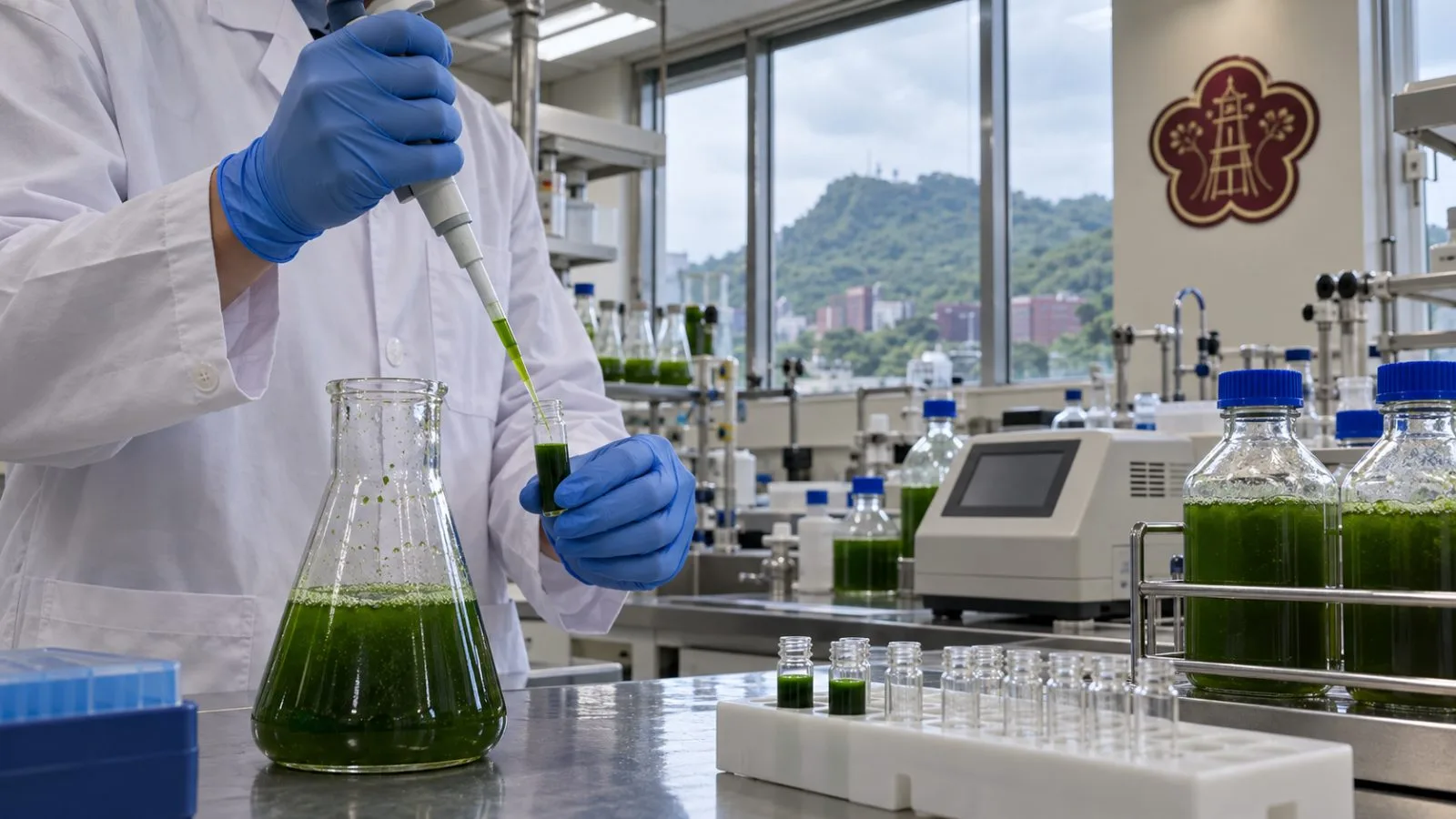
Poreva Open’s official materials say common targets, procedures and scoring are intended to make designs easier to compare. MegaRobo has said differences in the targets, datasets and experimental conditions teams use have made such comparisons difficult. Selected entries will undergo double-blind testing at Megalaxy Lab.
The first three challenges concern EGFR, TNF-α and GLP1R. For EGFR, teams must design a protein that binds at pH 6.5 but has no detectable binding at 7.4. The TNF-α task requires binding at pH 7.4 and none detectable at 6.0. GLP1R entries must activate the receptor in a cell assay.
The contest materials list binding affinity, thermal stability, cross-species reactivity, nonspecific binding, pH selectivity and cellular function among the evaluation measures. MegaRobo says it plans to publish results after the competition, including unsuccessful designs, subject to intellectual property and compliance requirements.
Entry is free, and the rules do not require a particular AI model. Teams must have at least three members and cover their own software and computing costs. Cash awards for the top three overall total 1.7 million yuan (about $250,000), divided into prizes of 1 million, 500,000 and 200,000 yuan.
Two more challenges are scheduled for release Nov. 8. First-round sequence submissions close Nov. 18, while the second-round submission period runs from Nov. 9 through Dec. 8. Results are scheduled for April 2027.