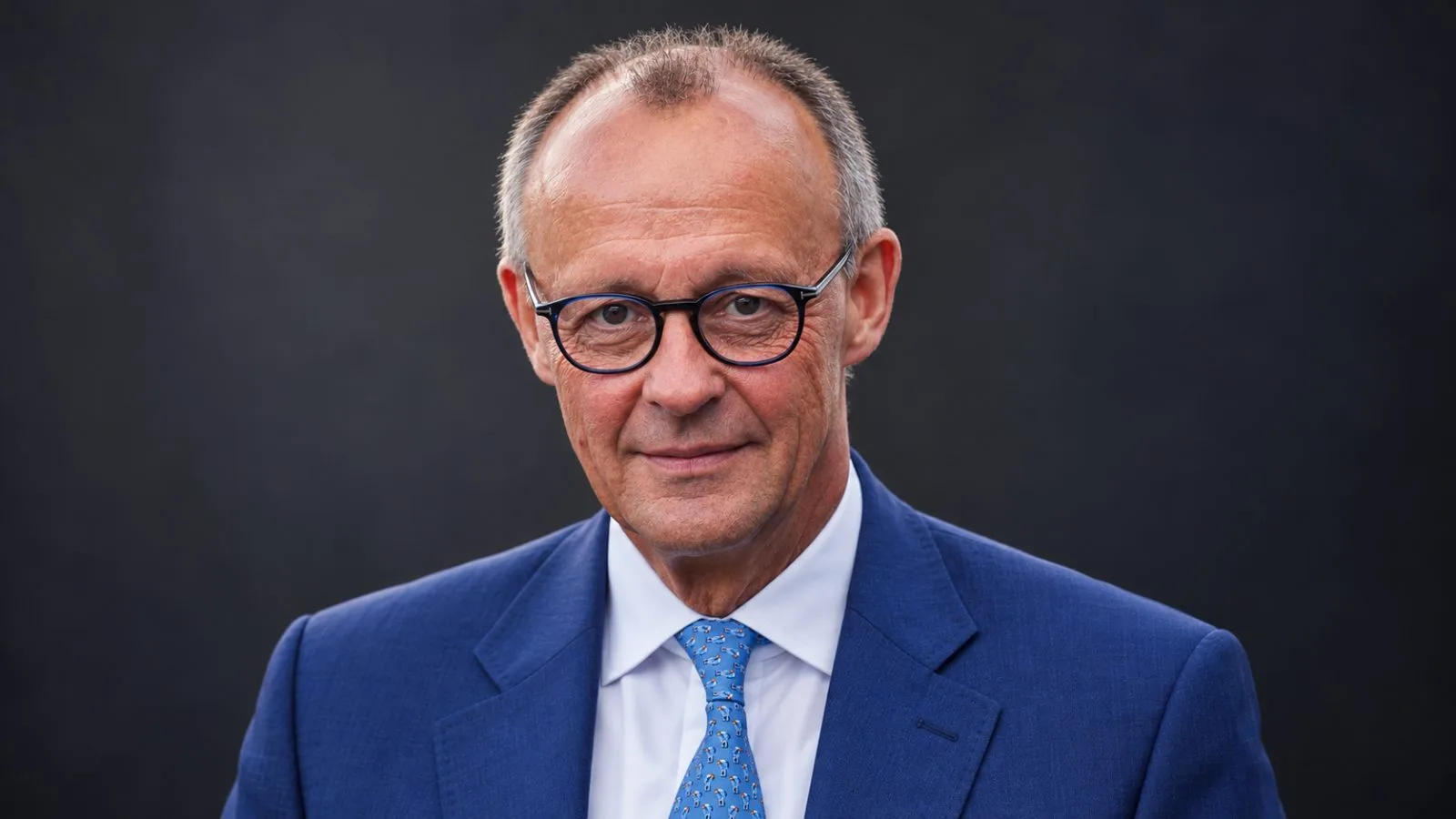
German Chancellor Friedrich Merz urged his Christian Democratic Union (CDU) to coordinate more closely with Bavaria’s Christian Social Union (CSU) and renewed his opposition to cooperation with the far-right Alternative for Germany (AfD).
Deutsche Welle (DW) reported that Merz delivered the closing address at the CSU’s two-day meeting in Munich on Saturday, Oct. 24. The conference ran Oct. 23-24. Bayerischer Rundfunk (BR24) and Süddeutsche Zeitung had previewed a closing appearance; DW later reported that the speech had taken place. DW said Merz called for closer coordination between the sister parties and quoted him saying they must “stand together more closely than ever.”
The CDU and CSU are separate conservative parties, with the CSU serving as the CDU’s Bavarian sister party. DW linked Merz’s unity appeal to pressure on the conservative alliance and the rise of the AfD. He also opposed changing the conservatives’ policy of keeping the AfD outside political cooperation, DW reported. Euronews separately reported that Merz rejected cooperation with the far-right party.
DW also reported discontent within the CSU over the pace of planned changes to pensions, nursing care and health insurance. The outlet described frustration within the party about how quickly those three reform areas were moving.
Presidential succession was another unresolved issue. ZDF and BR24 reported that Söder had voiced support for Bavarian Landtag President Ilse Aigner, while Merz had not publicly named a preferred candidate. Those reports showed Söder’s stated preference but no publicly declared choice from Merz.
The reports paired Merz’s call for unity with his rejection of AfD cooperation and unresolved questions over reform timing and the presidential succession.