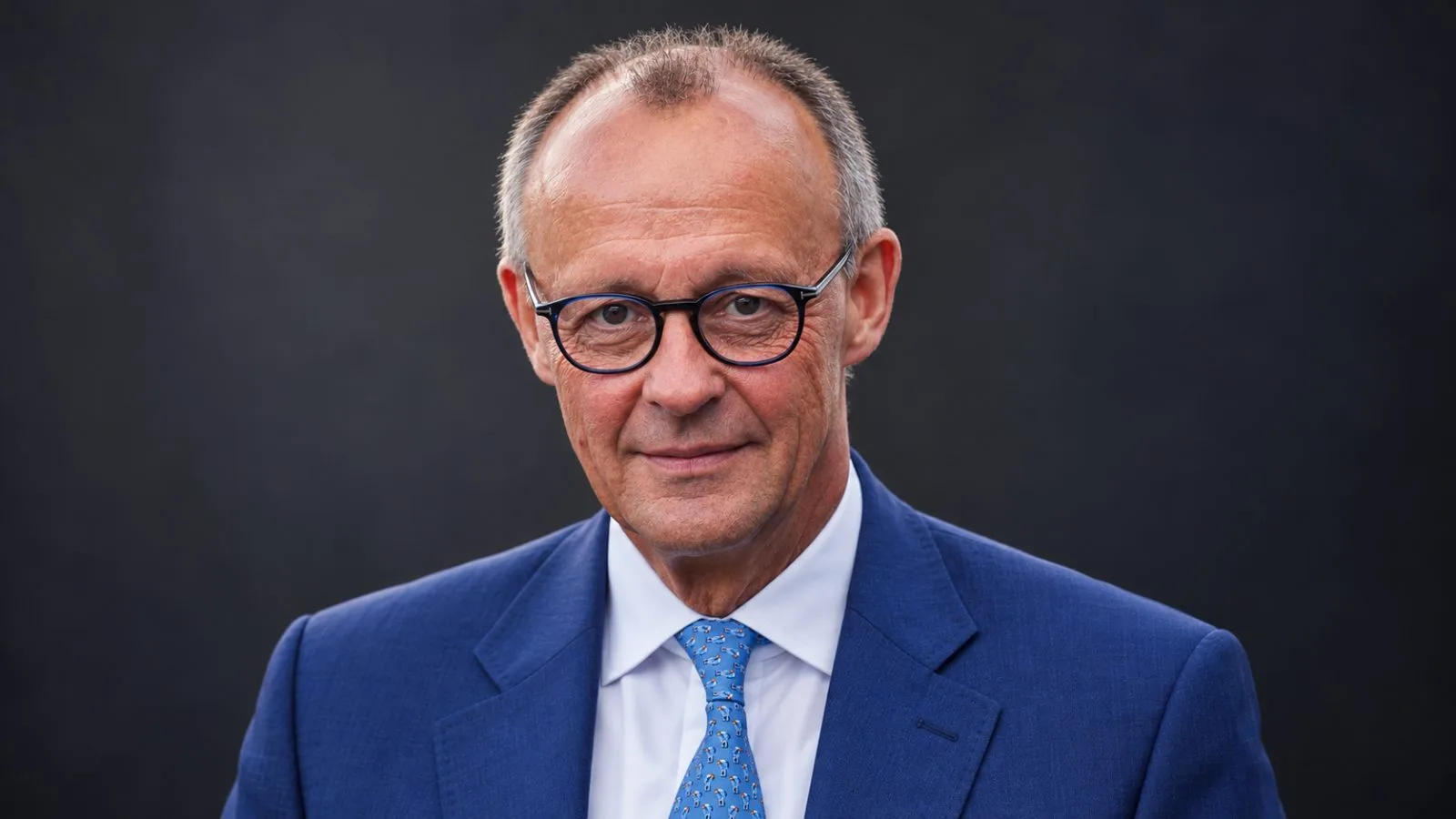
German Chancellor Friedrich Merz said North Korean troops were fighting in Ukraine’s Donbas, a claim he framed as a concern for Europe as Germany and South Korea upgraded ties Thursday.
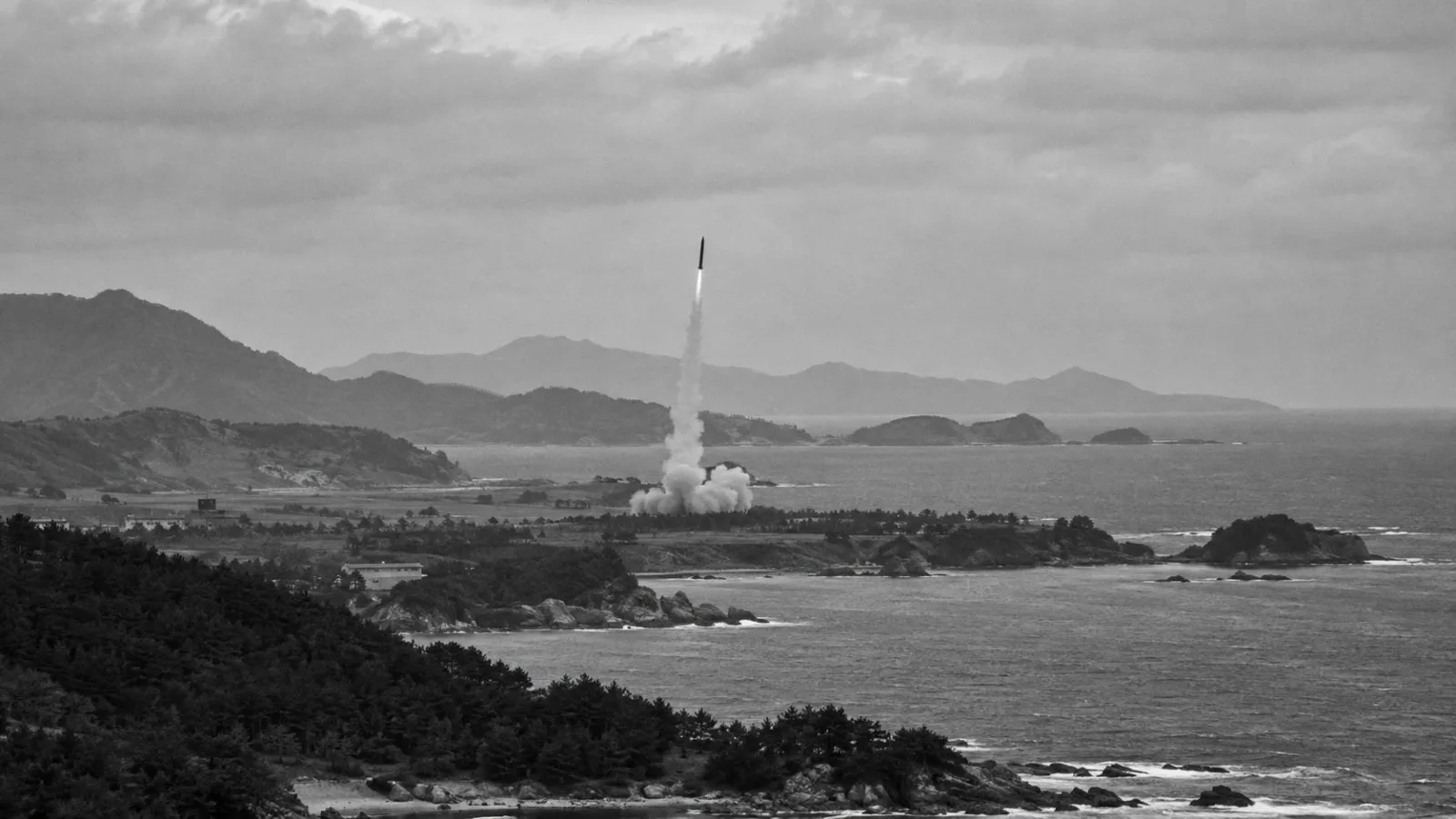
At a joint press conference after meeting South Korean President Lee Jae-myung in Seoul, Merz also said Moscow was supplying weapons to Pyongyang. He argued that developments on the Korean Peninsula affect European security, connecting his remarks on troops and weapons to a broader regional risk.
South Korea’s presidential office said the leaders established an “Enhanced Strategic Partnership” and adopted a joint statement. It called the move the first upgrade in bilateral relations since diplomatic ties began in 1883. The statement covers political and security affairs, the economy and advanced industries, as well as cultural and people-to-people exchanges. Germany’s readout describes the change as a “deepened strategic partnership,” using a different English rendering for the upgrade.
Defense measures include stronger strategic communication between the two countries’ defense authorities, plans to pursue an agreement protecting classified military information, and expanded cooperation between their defense industries, Seoul said. The briefing set no deadline for the information-protection agreement.
South Korea’s statement also names semiconductors, batteries and artificial intelligence, alongside supply-chain resilience, critical minerals and energy security, as areas for joint work. The briefing did not quantify their costs or identify which side would bear them. This agenda places industrial priorities alongside the planned defense coordination.
The German government described the tour as an effort to strengthen economic and security cooperation, supply-chain resilience and work on artificial intelligence. Seoul was the final stop of Merz’s Oct. 26-30 Asia tour, after Singapore and Japan, according to the German schedule; EconoTimes previously covered the announced itinerary. The government said Merz was due to visit the Demilitarized Zone between North and South Korea on Friday, Oct. 30, the day after his Seoul meeting.