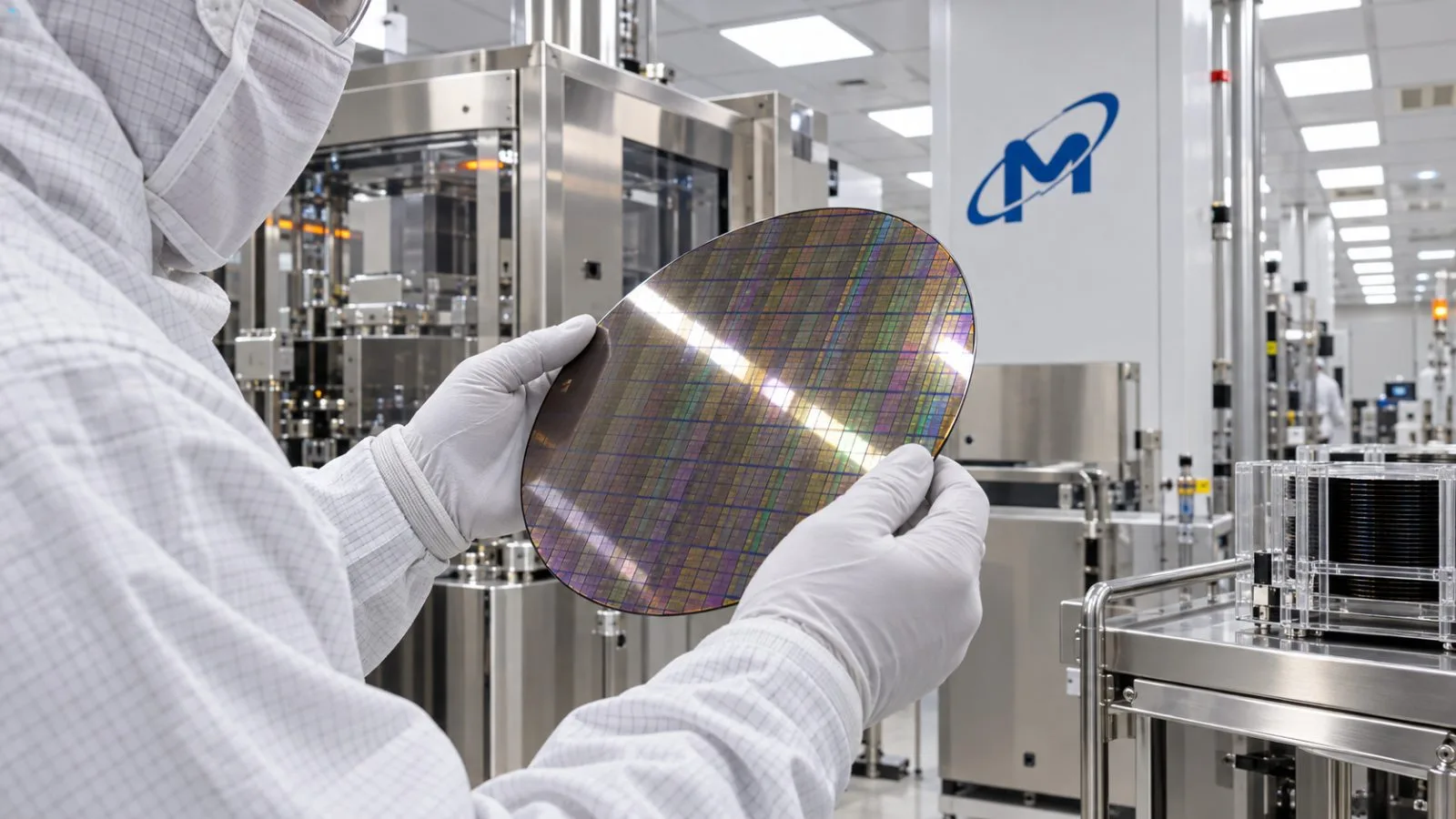
Micron Technology, Inc. expects demand for memory chips to exceed industry supply in calendar 2027 and 2028, extending pressure on chip availability for data centers and personal computers.
In prepared remarks dated Sept. 30, Chairman and CEO Sanjay Mehrotra said Micron expects tighter conditions for DRAM and NAND in each year than in 2026. The company said it cannot yet say when DRAM supply will catch up with demand. The forecast refers to calendar years, as Micron also reports on a fiscal-year basis. Micron described the imbalance as affecting the industry overall.
Micron linked the gap to AI-related workloads, which are driving demand for additional memory. Micron said new sites contribute little at first, with production increasing over the quarters after initial wafer output. The company expects constraints to persist while that ramp takes place.
Micron said customer commitments cover most of its 2027 HBM output, with associated pricing above 2026 levels. Micron said the multiyear customer contracts are expected to contribute more than 35% of revenue through 2030; it has 26 such agreements. It said the deals improve customers’ visibility into supply while helping Micron plan manufacturing capacity.
The shortage also reaches personal computers. International Data Corporation (IDC) forecasts an 11.3% fall in PC shipments during 2026 and expects memory constraints to continue through 2027, continuing EconoTimes’ earlier coverage of IDC’s PC shipment outlook. IDC says buyers face higher prices and manufacturers have limited product availability.
The next milestone is the start of wafer output at Micron’s first Idaho plant in mid-2027. A second Idaho facility is expected to follow in late 2028, and the first New York plant is scheduled to begin output in 2030.