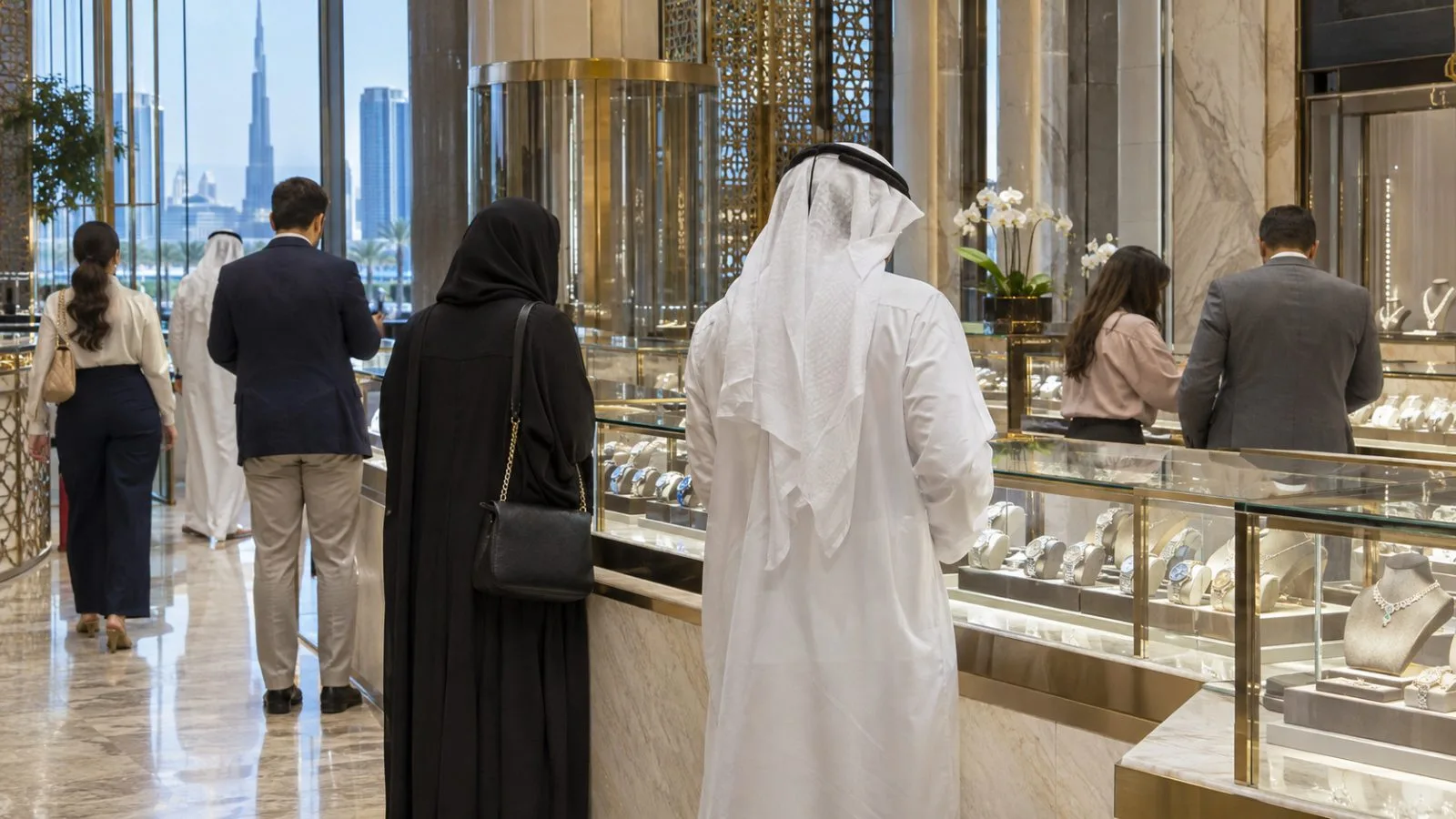
Middle Eastern consumers’ appetite for luxury purchases is six percentage points above the global average, with watches, jewelry and handbags drawing the strongest demand, according to a 2026 study.
Boston Consulting Group (BCG) and Altagamma’s Luxury Consumer Insights 2026 study is the source of the comparison. It identifies watches, jewelry and handbags as leading categories and describes them as goods with lasting value.
Fares Akkad, Meta’s regional director for MEA, cited BCG research while giving the AI figures in an exclusive email interview with Gulf News: 93% of consumers in the Middle East use AI to research luxury, compared with 79% worldwide.
Akkad said product discovery can start with short videos and creator content, while AI can connect shoppers with relevant products and stories. Reels account for more than half of the time people spend on Instagram, the report says. Akkad said consumers are adopting AI faster than brands and advised companies to keep catalogs, sizing and availability accurate while developing multiple versions of their ads.
The study’s HUGO BOSS Middle East example describes a holiday campaign that ran partnership ads alongside AI-created Reels. It reported five times as many add-to-cart events, 78% more content views and ad recall 63% above the brand’s usual approach.
Meta says more than one million businesses use its Business Agent, which draws on a company’s catalog, website and past customer interactions to answer product questions, check availability and help arrange purchases. The company also says more than one billion daily conversations between people and businesses take place across WhatsApp, Messenger and Instagram.
Akkad cited another regional example: e-commerce platform Trendyol recorded more than 15,000 AI-powered shopping conversations in the first week after launching the service in Saudi Arabia.