The Guardian reported that protests are planned in Milan and other Italian cities Saturday, Oct. 24, after weekend demonstrations over living costs and housing were followed by clashes, intensifying debate over Italy’s “lost generation.”
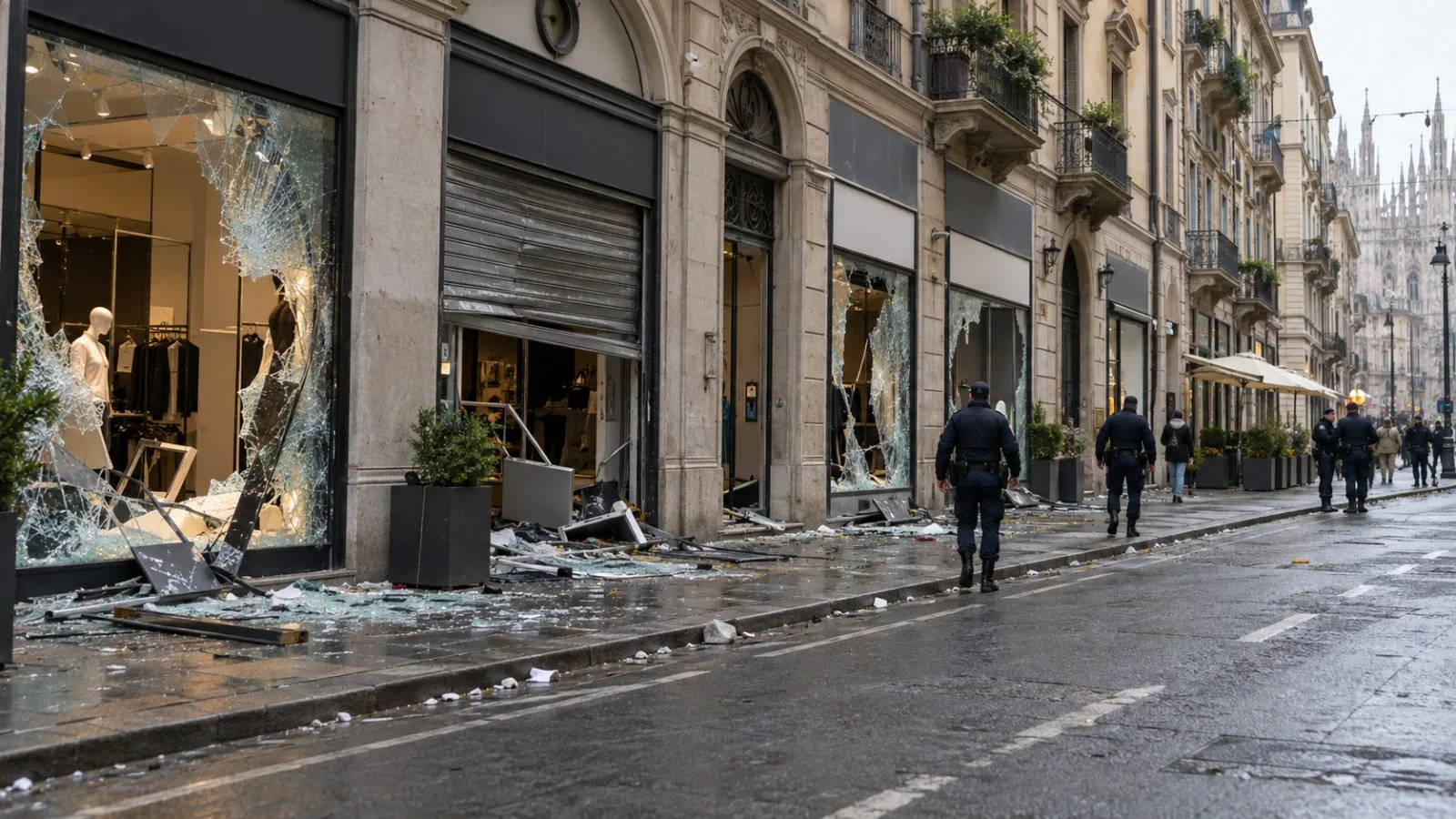
Milan saw clashes and looting Saturday, followed by renewed vandalism and looting Sunday. The unrest damaged shops and left a journalist and police officers injured, The Guardian reported. The newspaper said police detained more than 271 young people over the two days and arrested 32, including 23 minors and 13 foreign nationals.
The debate is unfolding alongside a security response. EconoTimes previously reported that Italy’s Cabinet approved 500 additional troops for Milan and a new offense targeting violent participation at demonstrations in its coverage of the security decree.
The Guardian’s reporting also describes pressures behind the anger: soaring living costs, unaffordable housing and a sense among young residents that they are ignored or abandoned. The newspaper reported that some looters may have been drawn by social media chats promising luxury goods.
At Barrio, a cultural hub in southwest Milan, bar co-manager Domenico Ricci told The Guardian, “There is a lot of discontent — we are all children of this widespread malaise.” Thomas, an 18-year-old training to become a chef, told the newspaper, “I see no future here.” His friend Mohamed, an Italian citizen of Moroccan origin, is in high school and hopes to become a lawyer.
Mauro Magatti, a sociologist at Milan’s Catholic University of the Sacred Heart, told The Guardian that economic strain and feelings of neglect were widespread among young people. He warned that an overly forceful government response could expand the protests and urged leaders to address their underlying causes.
The Guardian noted that youth protests during Prime Minister Giorgia Meloni’s time in office are not unprecedented and that demonstrations have also occurred elsewhere in Europe. It reported that an online movement was calling for the government to fall and planned weekly gatherings. The next protests are planned for Saturday, Oct. 24.