Montefiore Einstein Comprehensive Cancer Center said a five-year National Cancer Institute (NCI) award will fund research into whether small breast tumors can release cells that remain undetected and later contribute to relapse.
The center's Nov. 3 announcement put the grant at $10 million and identified the project as Mechanisms of Early Breast Cancer Local and Distant Relapse, under NCI grant 1P01CA295557. Julio A. Aguirre-Ghiso, a professor of cell biology, oncology and medicine at Albert Einstein College of Medicine, leads the research.
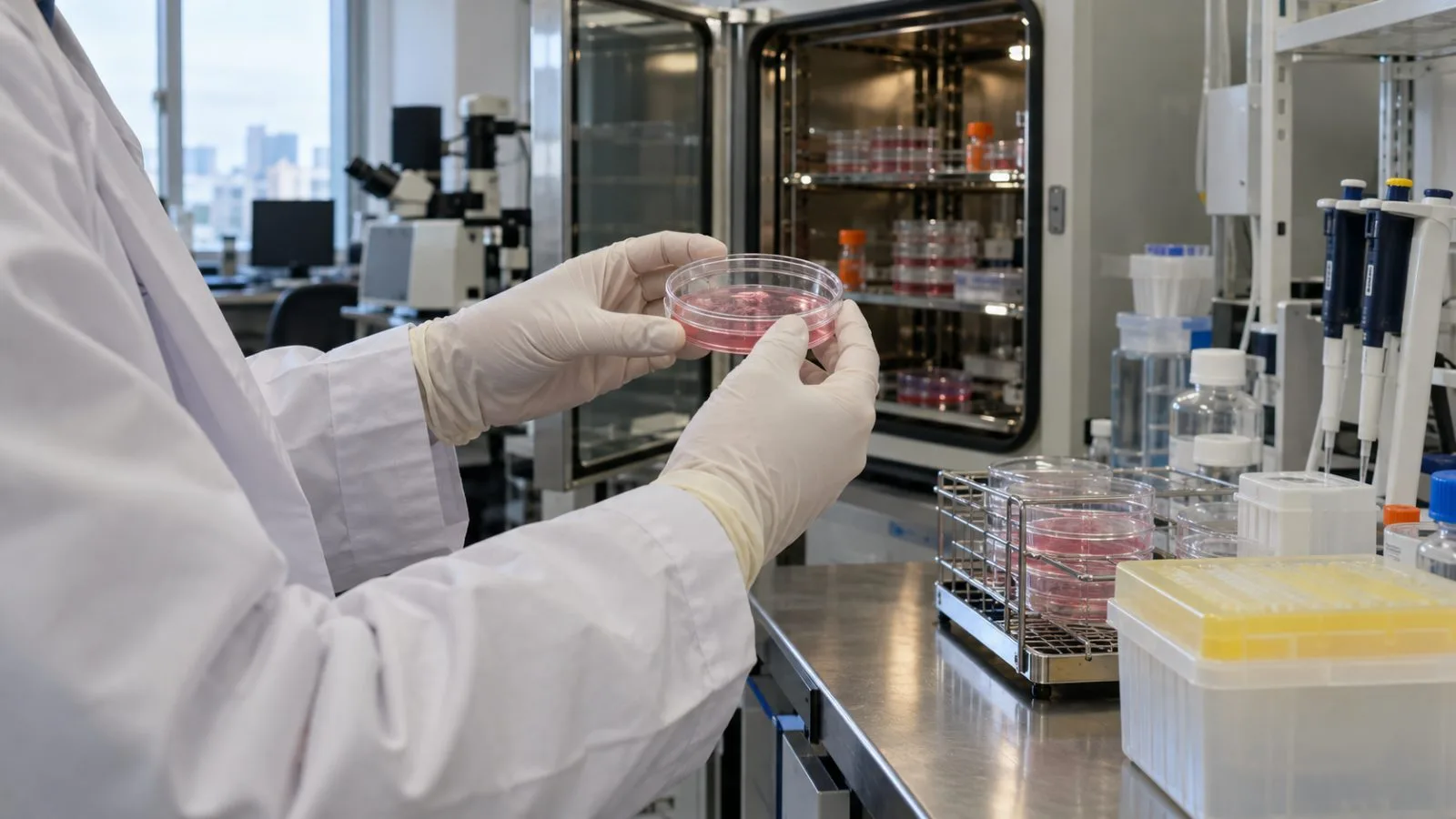
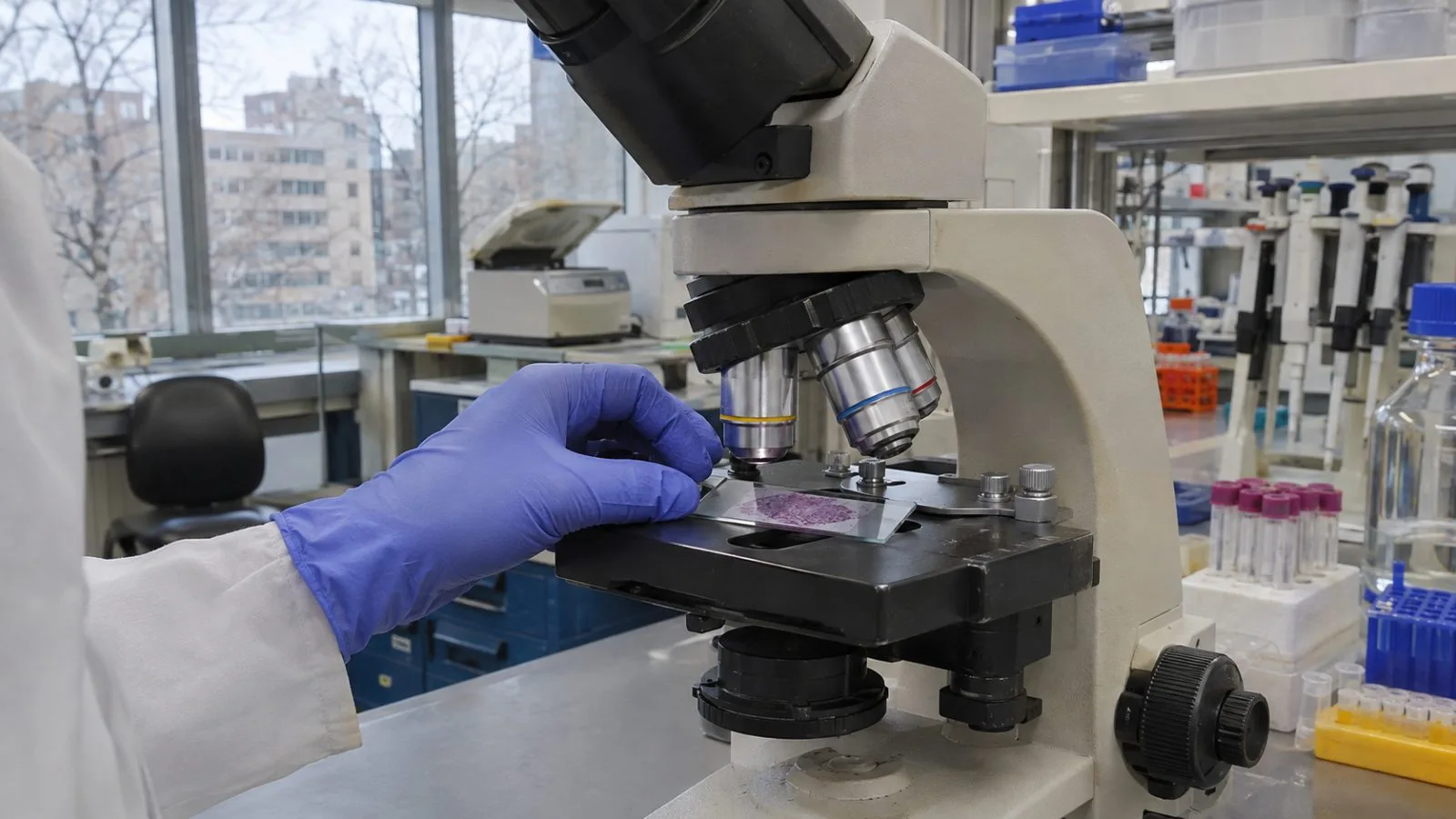
Ductal carcinoma in situ (DCIS), the condition at the center of the project, involves abnormal cells confined to a breast duct. The NCI also refers to it as noninvasive, or stage 0, breast cancer. Researchers will compare records and tissue specimens from people with DCIS with laboratory work and imaging, looking for biological signs that may link early cell spread to later recurrence.
The work will examine molecular cues involved in early spread and interactions between cancer cells, immune cells and nearby tissue. Another line of research will assess whether macrophage subtypes, a kind of immune cell, may affect cancer-cell movement. The collaboration includes researchers from Stanford University, Columbia University, the Icahn School of Medicine at Mount Sinai, the University at Albany and the University of Wisconsin-Madison.
Aguirre-Ghiso said the team hopes to identify patients at greater risk of recurrence and “find ways to intercept cancer before it returns.” The center's announcement does not give a results date or describe a clinical-trial plan.
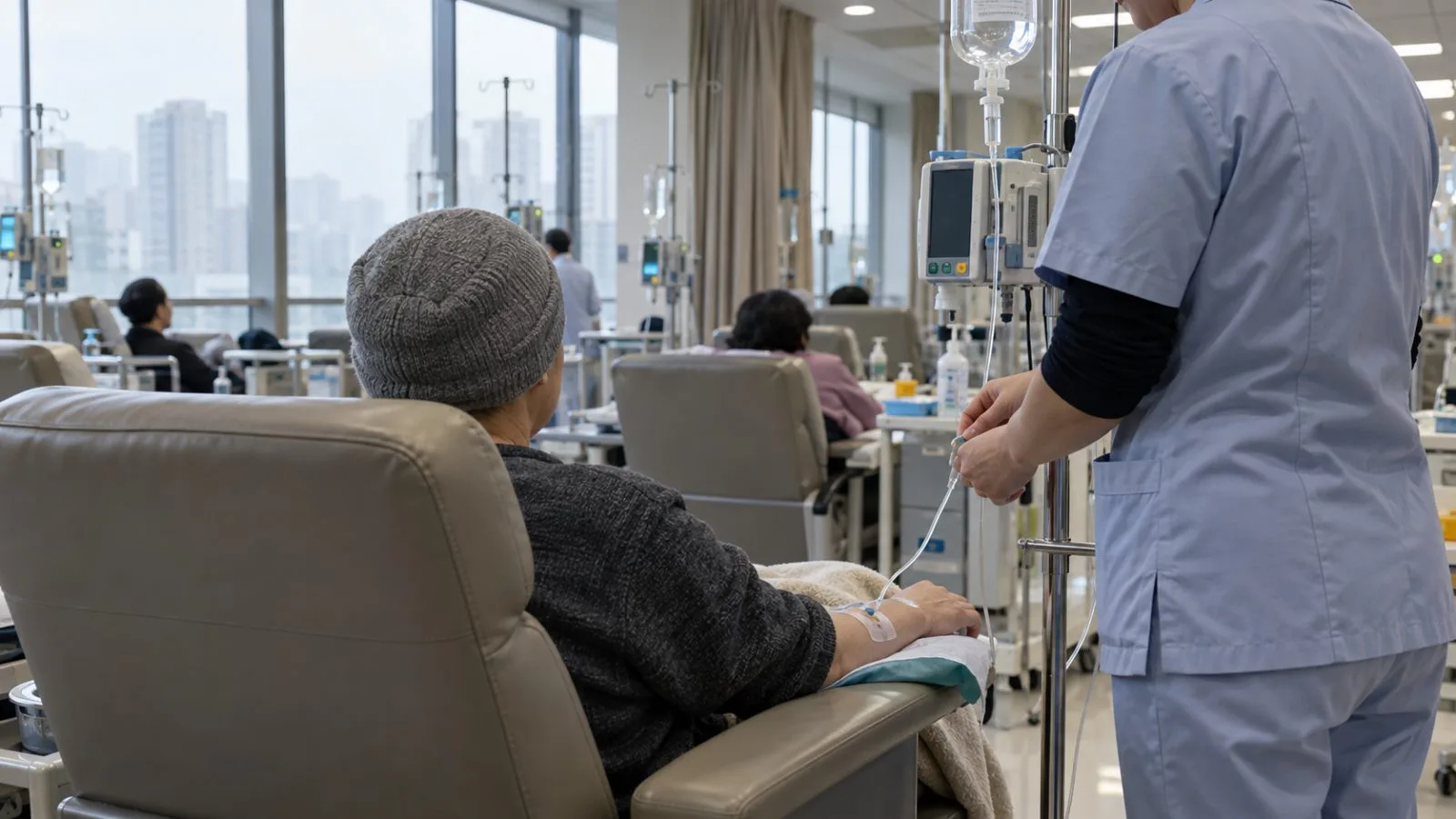
The NCI says breast cancer can return in the breast, nearby lymph nodes or other parts of the body, sometimes years after treatment. It describes dormant cancer cells as an active research subject: they may grow slowly or not at all, and scientists are studying how their surroundings may affect reactivation. The World Health Organization (WHO) estimated that breast cancer caused 694,000 deaths worldwide in 2024.