Morocco expects the health crisis to increase the number of their workers in the informal economy, who already form a third of their workforce and contribute 14 percent of gross domestic product.
The health crisis would cause more people to lose jobs in companies and consumers to seek cheaper goods, luring more to earn a living as informal workers.
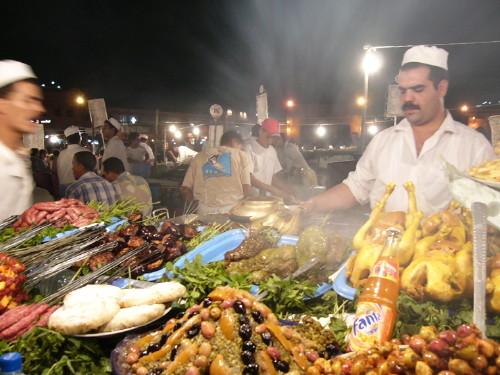
Such occupations as manual or domestic labor, driving taxis, or selling in the streets, fall under this classification.
Morocco has 16,047 coronavirus cases.
In June, restaurants, cafes, and other services were allowed to resume activity at half capacity, except in provinces where infections remain high.
Unemployment is expected to rise from 9.2 percent to 14.8 percent in 2020.
The informal economy already costs Morocco $3.4 billion in annual tax losses, says Finance Minister Mohamed Benchaaboun.
The Confederation of Moroccan Enterprises warned that the informal economy also places 2.9 million jobs in companies at risk by undercutting their costs.
According to Rachid Awraz of the Moroccan Institute for Policy Analysis, it provides low added value for the economy and leaves workers without social protection.