


 Bank of America Predicts Yen Rebound as USD/JPY Faces Risks
  Trump Calls for Zelenskyy Replacement Amid Russian Diesel Deal
  Oil Prices Rise as Gulf Hurricane and Middle East Supply Risks Mount
  Gold Prices Rise as Hormuz Tensions Fuel Inflation Risks
  RBI Raises Repo Rate to 5.50% in Hawkish Shift on Inflation Risks
  US, EU Push for Action Against Asia’s Excess Factory Capacity
  US Treasury Yields Ease After Strong 10-Year Auction as Global Bonds Struggle
  Deere, CNH and AGCO Stocks Fall as FTC Launches Farm Equipment Probe


 Add as a preferred source on Google
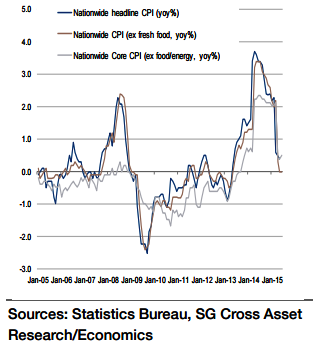
There will be a base effect due to last year's rise in oil prices that continued through to mid-2014. Although the BoJ is aiming at achieving a 2% price stability target, Japan CPI (excluding fresh food) likely fell below 0% yoy, its weakest point since April 2013.
"Japan's nationwide CPI (excluding fresh food) likely fell to -0.2% yoy in July (was +0.1% yoy in June). Factors such as the passing on of price increases to products as a result of costpush inflation caused by yen depreciation and the recovery in domestic demand are helping to push up inflation", says Societe Generale.
Since April, the effects of upward pressure on wages have been getting stronger due to the improved balance of labour supply and demand. In Q4, the base effect due to the fall in oil prices will also fade out. As a result, prices will pick up on a yoy basis. However, oil prices have fallen again since July.
Moreover, the main cause of the negative Q2 GDP growth was weak consumption. It would seem that consumers have not yet recovered completely from the deterioration of consumer sentiment after the consumption tax (CT) hike in April 2014, especially as food prices are continuously increasing. As a result, consumers have been defensive.

- News

- Economy

- Central Banks
- Investing
- Research
- Roundups
- Digital Currency
- Insights
- Technical Analysis
- Technology
- Business
- Law
- Health
- Nature
- Fintech
- Science
- Topic
- Opinions
- ©Econometrics LLC . All Rights Reserved.
More stagnant inflation for Japan in July
Wednesday, August 26, 2015 4:35 AM UTC
Editor's Picks



- Market Data
Most Popular




