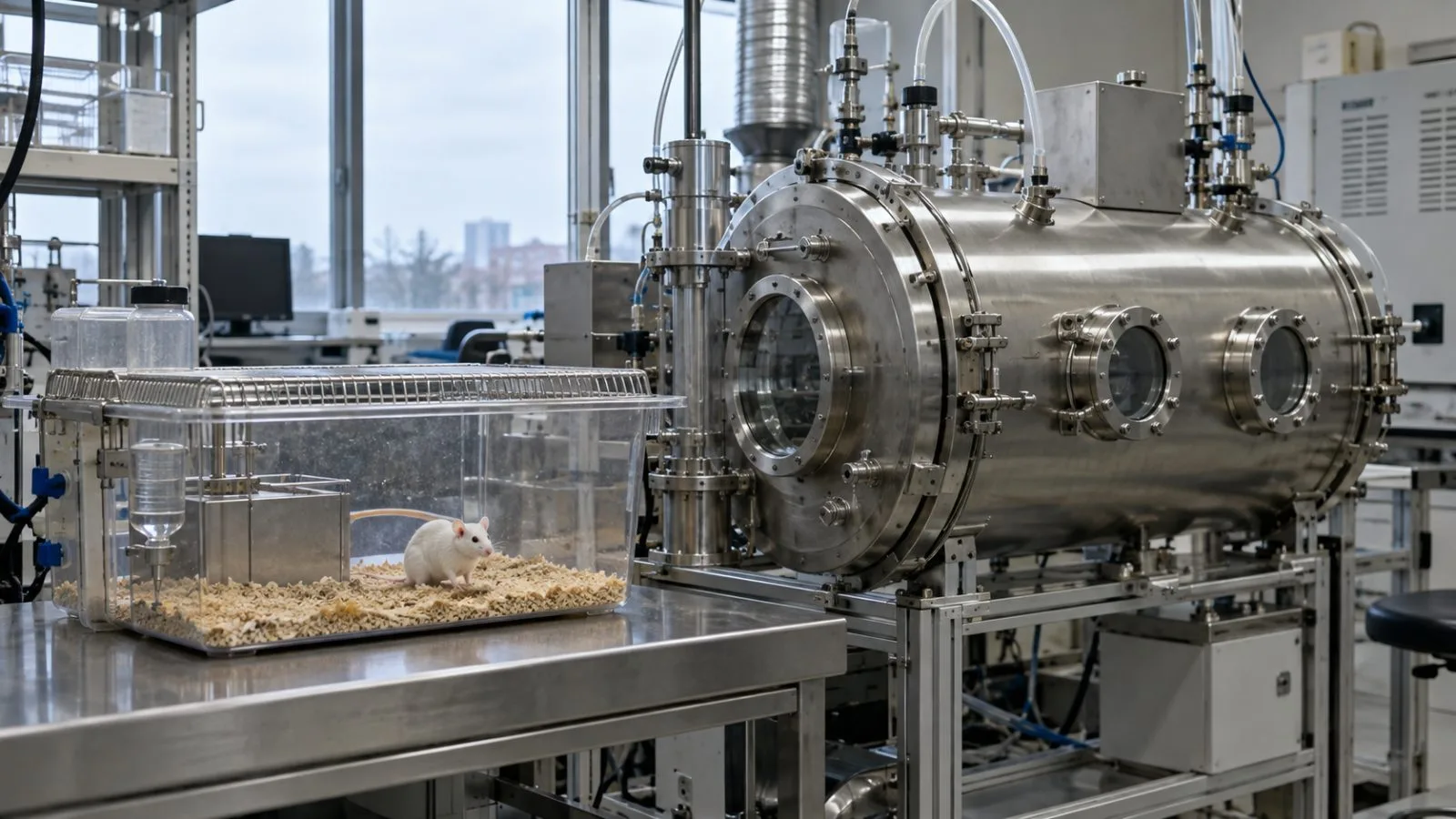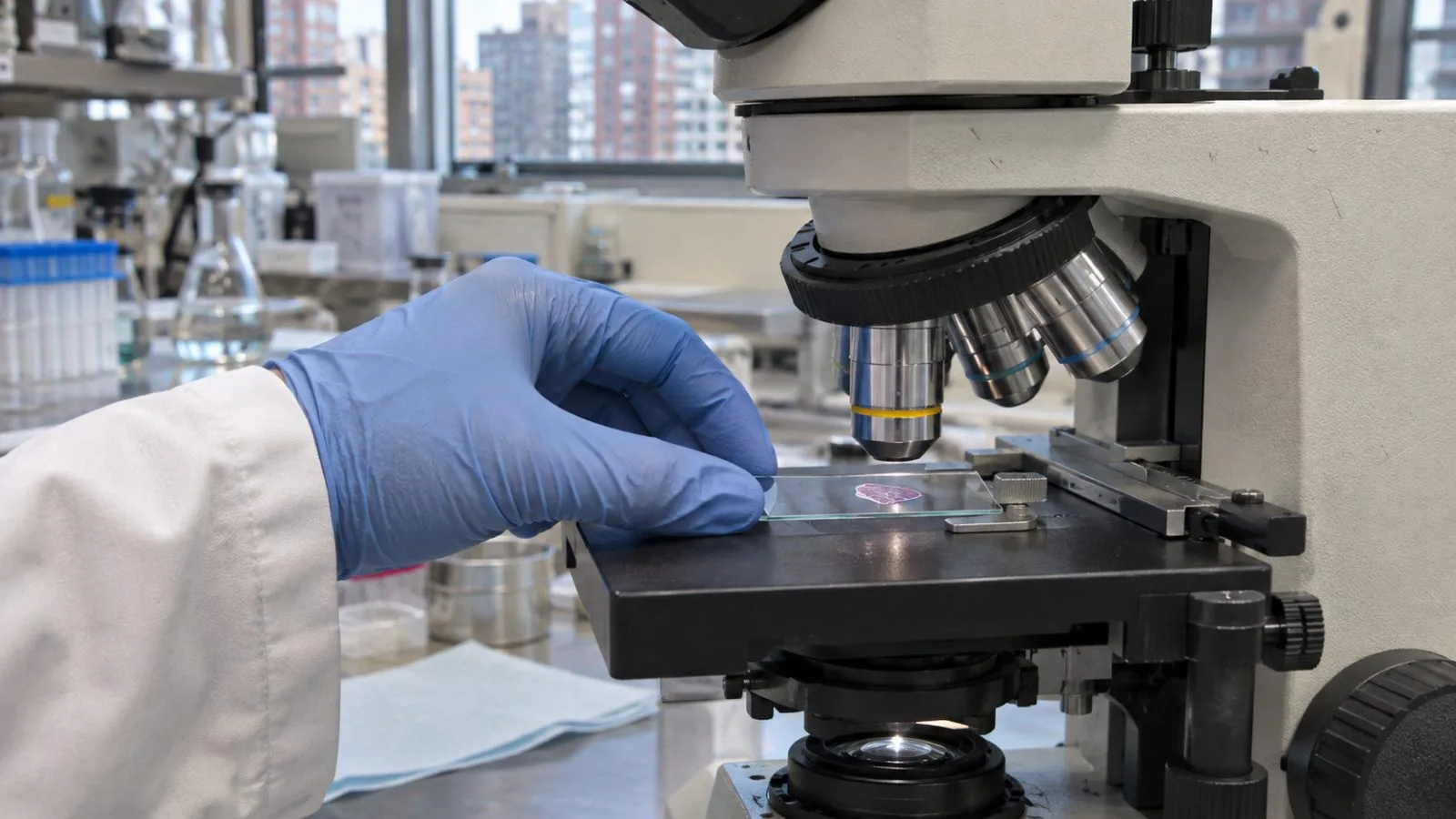
Researchers at NYU Langone Health found that disrupting HOXA10 in mice sharply reduced the long-term supply of cells involved in bone repair, pointing to a role for the gene in maintaining healing capacity.
The research appeared online Nov. 4 in Science Advances. Researchers removed HOXA10 from mice at six days of age and followed the cells for 15 months. NYU Langone reported that at the end of follow-up, 90% of the expected stem cells and descendants were absent.
The reported share of stem-cell progenitors in fracture calluses was 48% in mice without HOXA10 activity, compared with 76% in controls, NYU Langone said. It also reported that removing the gene changed collagen patterns in tissue formed early in bone repair. A fracture callus is temporary tissue spanning a break during the first phase of healing.
Researchers focused on periosteal stem and progenitor cells, which are found in the periosteum, a membrane covering most bones and involved in bone healing. Study corresponding author Philipp Leucht, MD, PhD, said HOXA10 helps preserve repair capacity by slowing premature maturation. NYU Langone linked the long-term cell loss to reduced self-renewal, the process by which stem cells replenish their own population.
In lab experiments, researchers silenced three related HOX genes in cells from human bone biopsies. NYU Langone reported that stem-cell numbers fell. The work involved isolated cells and did not test a treatment in patients.
HOX genes also help set body-position patterns during embryonic development. Earlier work from the group linked these genes to periosteal stem-cell identity. In 2023, researchers found that increasing Hoxa10 activity partly improved fracture healing in middle-aged mice. NYU Langone said the new results may inform future studies of bone regeneration.