
Twelve U.S. institutions will share $12 million in NASA research awards for technologies aimed at future Moon, Mars and deep-space missions, while bringing more faculty and students into aerospace research.
NASA selected the cohort on Oct. 15, 2026, through M-STAR, the Space Technology Artemis Research initiative in its Minority University Research and Education Project (MUREP). Each institution will receive up to $1 million. The FY2026 funding notice anticipated 12 cooperative agreements of $1 million each over two years, while the selection announcement gives a per-institution ceiling without specifying final amounts.
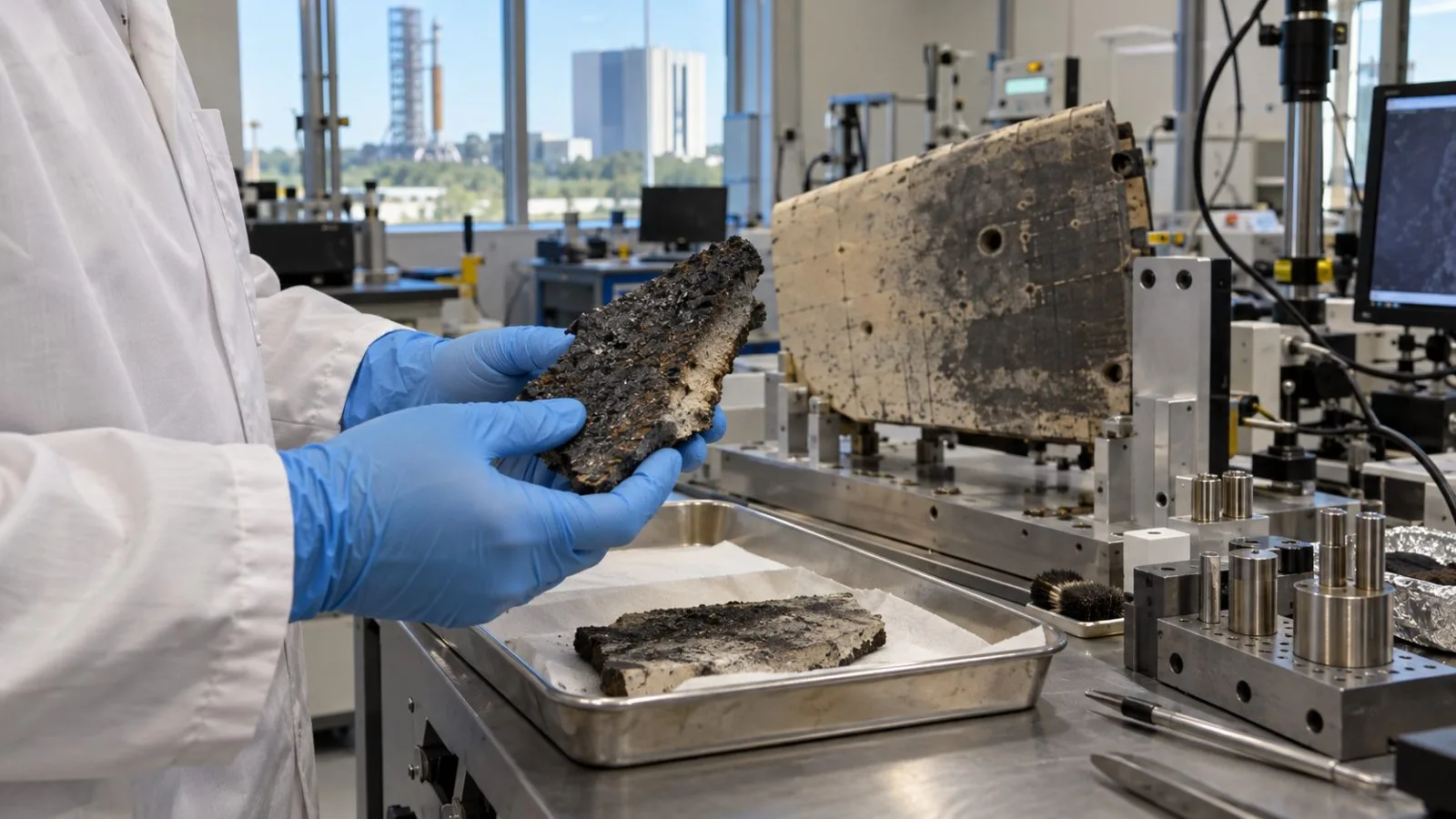
The projects cover autonomous robot collaboration in planetary terrain, aerothermal simulation and testing for Artemis, rover-carried deployables, propulsion materials, lunar sensing and power systems for long-duration missions. The University of Hawaii at Manoa’s HI-STRIDE project focuses on student training in radiation instrumentation and detection. Fayetteville State University’s Doc2Model project will use method-compliant generative AI to help establish model-based systems engineering practices for NASA’s Artemis Enterprise. A University of New Mexico project examines batteries and fuel cells for sustained operations on the Moon and Mars.
Eligible applicants were two-year and four-year institutions recognized by the U.S. Department of Education, at proposal submission, as minority-serving institutions, Historically Black Colleges and Universities, or Tribal Colleges and Universities. The notice did not require applicants to provide matching funds.
NASA designed M-STAR to help campuses build research capacity and compete for later awards from NASA, other federal agencies and commercial funders. The agency also expects the projects to address technology needs for extended operations on the Moon and, eventually, Mars. Alicia Baturoni Cortez, MUREP program manager in NASA’s Office of STEM Engagement, said the awards offer “real opportunities for students and faculty.”
Support beyond an initial budget period depends on available appropriations, recipient performance and NASA’s judgment that continued funding serves the government’s interest. NASA’s selection announcement did not give project start dates or final amounts for individual institutions.