NASA has selected Viasat, Inc. to design a commercial relay for spacecraft still dependent on its aging satellite network, a step toward preserving their links as the agency shifts to other services.
The contract has a maximum potential value of $460.9 million, including options for later phases, NASA said. That ceiling is not the price of Viasat’s initial design work, which NASA has not disclosed. The agency also selected Global Enterprise Solutions Inc. and Astranis Space Technologies Corp., with contract ceilings of $340.4 million and $264.3 million, respectively.
The Nov. 4 awards fall under NEXUS, NASA’s Network Extension for User Continuity and Sustainability program. Initial work is scheduled to end May 3, 2027. If NASA exercises the options, work could continue through 2029 and reach a demonstration in orbit.
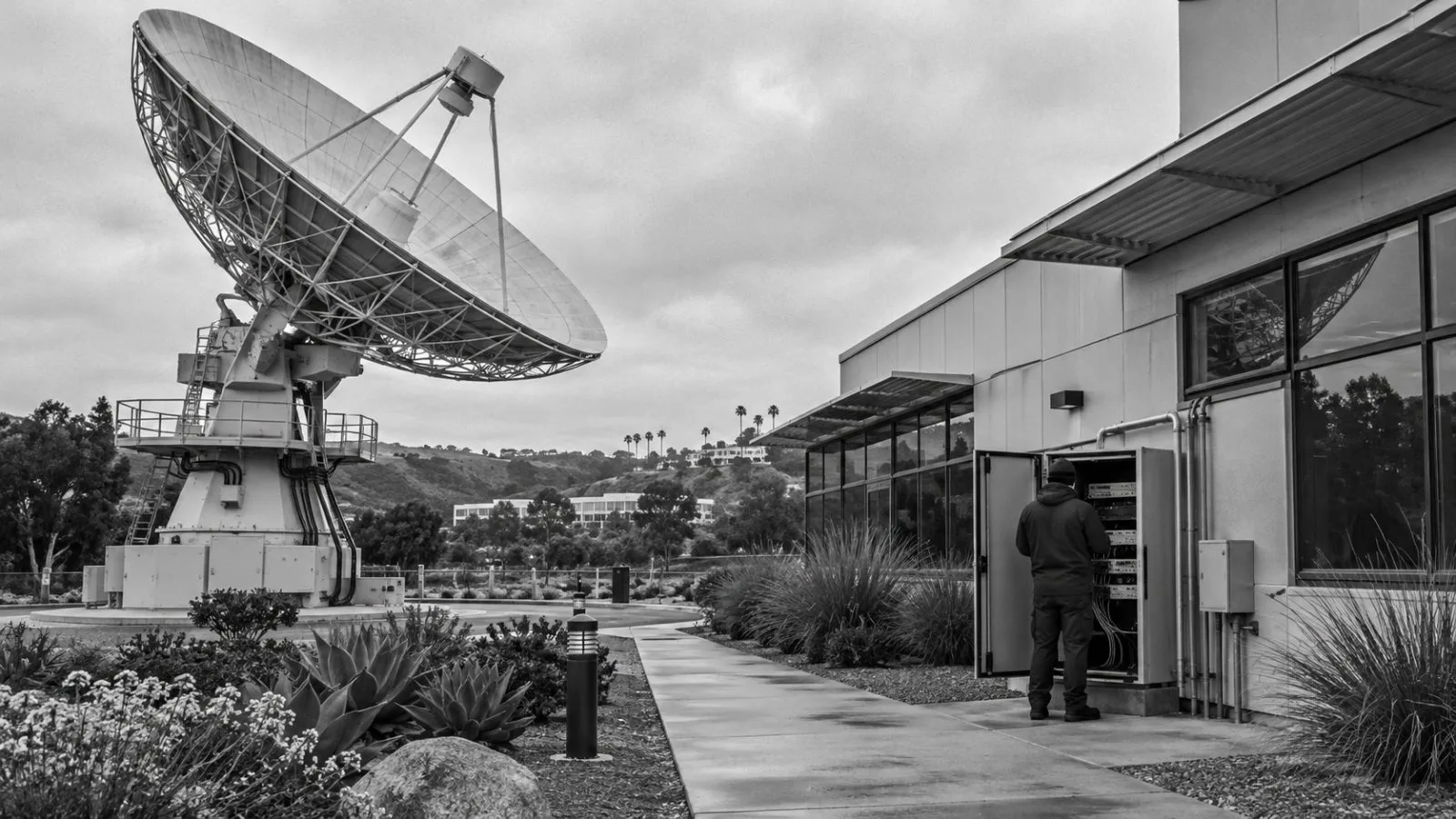
NASA seeks a Ka-band relay compatible with existing users of its Tracking and Data Relay Satellite (TDRS) network for at least 15 years. The effort focuses on select missions for which changing onboard hardware or moving to an incompatible commercial service is not feasible. In its solicitation, NASA identified 2029 to 2031 as a period of increasing concern about keeping the aging network available.
Viasat said Nov. 9 that its proposed service would combine small geosynchronous satellites with ground facilities, launch services, integration and operations.
NASA stopped assigning new missions to TDRS on Nov. 8, 2024. The International Space Station and Hubble Space Telescope remain among its users. A compatible relay would allow eligible missions to retain connections without replacing equipment already aboard.
In a separate commercial communications effort, NASA committed $278.5 million to six U.S. companies in 2022. The agency is also assessing commercial links through Viasat’s Maxwell trial; NASA said the spacecraft reached orbit Oct. 20.
NASA wants NEXUS proposals to have a commercial business case beyond the agency. It says these research contracts do not decide who would operate a future relay service. The initial work ends May 3, 2027; later phases depend on NASA exercising the options.