NASA’s Northrop Grumman resupply mission will carry a mostly automated crop-production system and a precision-health investigation to the space station, supporting research for longer missions.
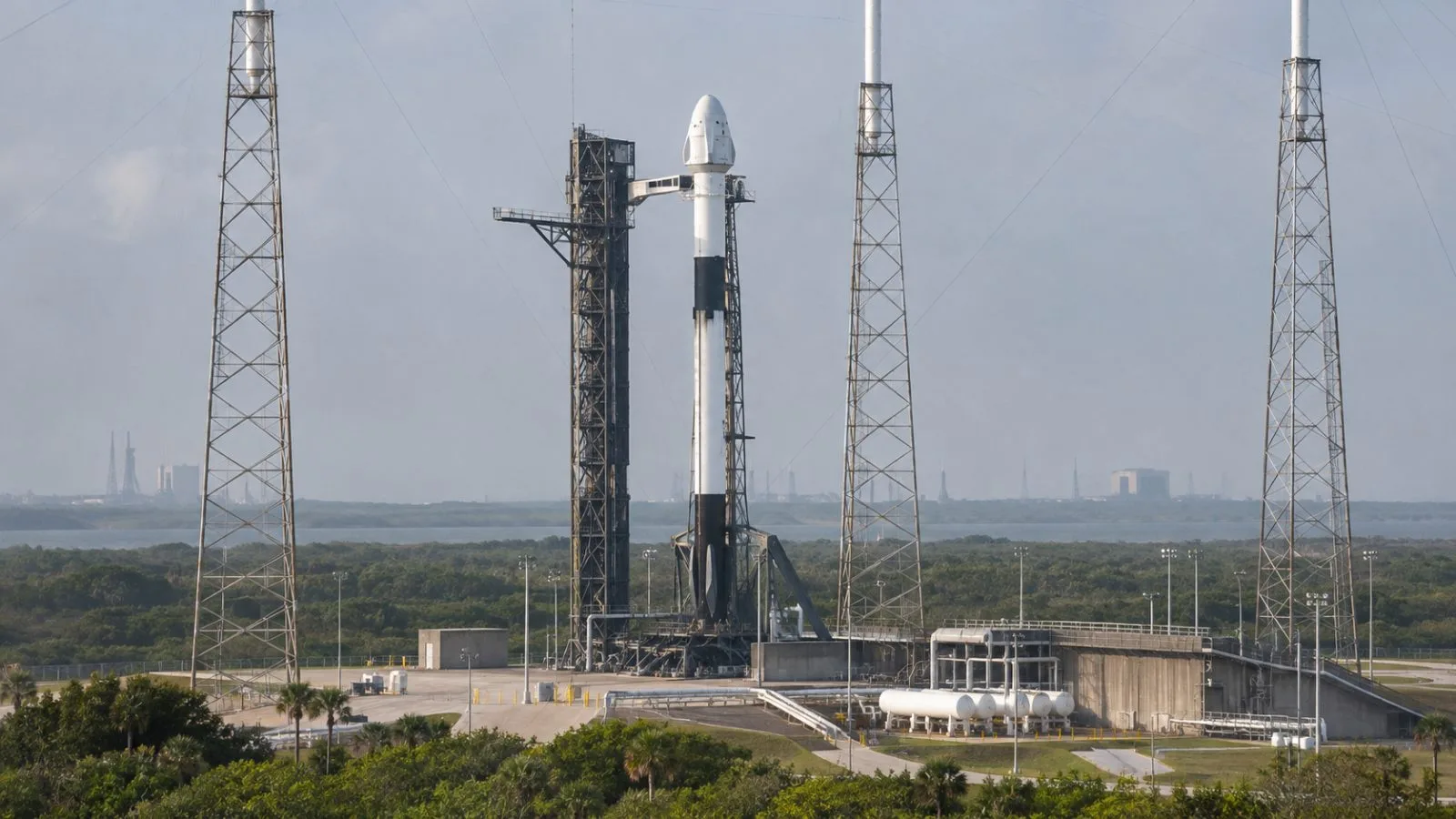
NASA calls the flight the Northrop Grumman Commercial Resupply Services 25 mission (CRS-25), while Northrop Grumman uses NG-25. The mission is scheduled to launch no earlier than Sunday, Nov. 29, 2026, at 10:47 a.m. EST (15:47 UTC) from Space Launch Complex 40 at Cape Canaveral Space Force Station in Florida.
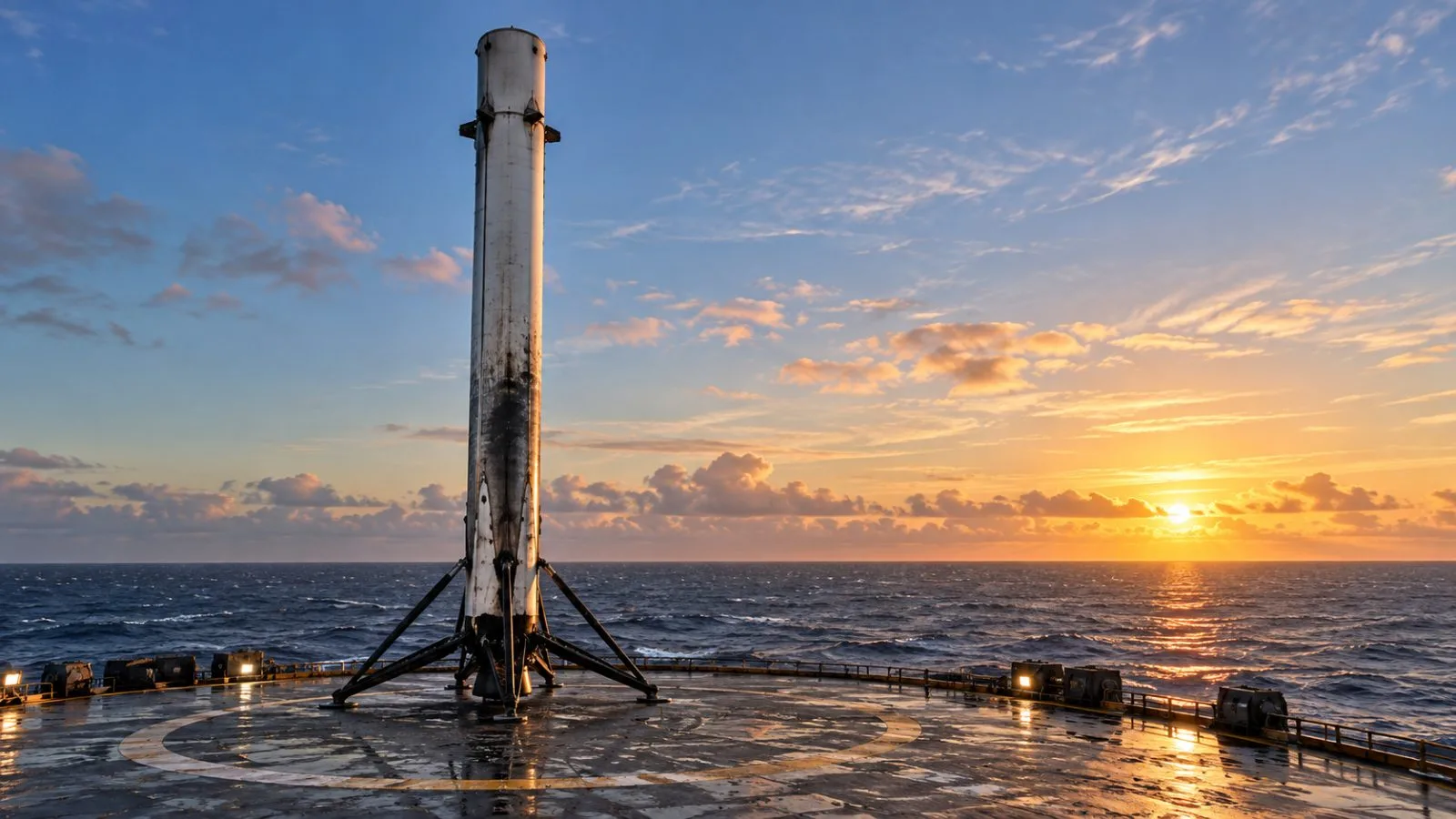
A SpaceX Falcon 9 rocket will carry Northrop Grumman’s Cygnus XL spacecraft with approximately 11,000 pounds of science equipment, supplies and hardware.
Among the payloads is Ohalo III, which NASA calls the first operational crop-production system in space. The experiment will evaluate how crops receive water and how limited growing volume can be used in microgravity. Its mostly automated hardware is designed to recycle water and regulate air exchange while growing crops.
NASA says the research could inform crop-production systems for future missions to the Moon and Mars, as well as vertical farming, indoor growing and precision agriculture on Earth. A NASA Technical Reports Server document says Ohalo III builds on lessons from the Veggie and Advanced Plant Habitat systems.
NASA says shelf-stable food becomes harder to manage as missions travel farther from Earth, when storage and resupply opportunities are limited. Fresh crops could add nutrition and variety, while controlled-environment agriculture and human-health research are among the potential beneficiaries identified by the agency.
A separate precision-health investigation will validate a miniature fluid-handling system that mixes, delivers and maintains the nutrient-rich liquid needed to keep lab-grown human brain models alive. NASA says the work is intended to support long-duration research on human brain tissue in microgravity.
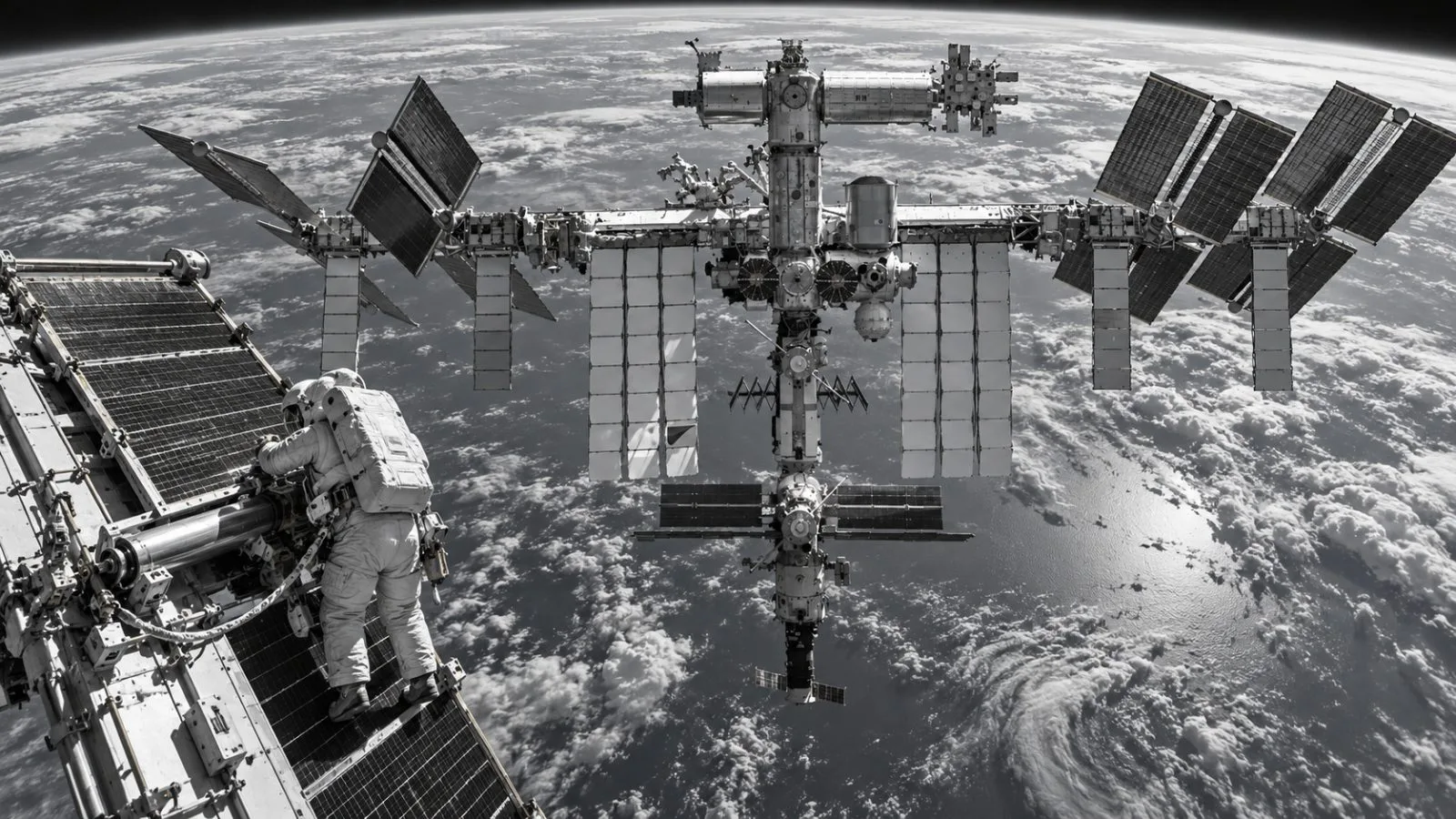
Astronauts Jessica Watkins and Luke Delaney are slated to operate Canadarm2 during the Dec. 1 capture, which NASA lists for 2:35 a.m. EST (07:35 UTC). Cygnus XL is scheduled to remain attached to the station until May 2027, and CRS-25 will mark the third flight of the larger Cygnus XL version.
NASA has not reported a launch result, crop yield or in-orbit performance data. The next scheduled milestones are the Nov. 29 launch attempt and the Dec. 1 capture.