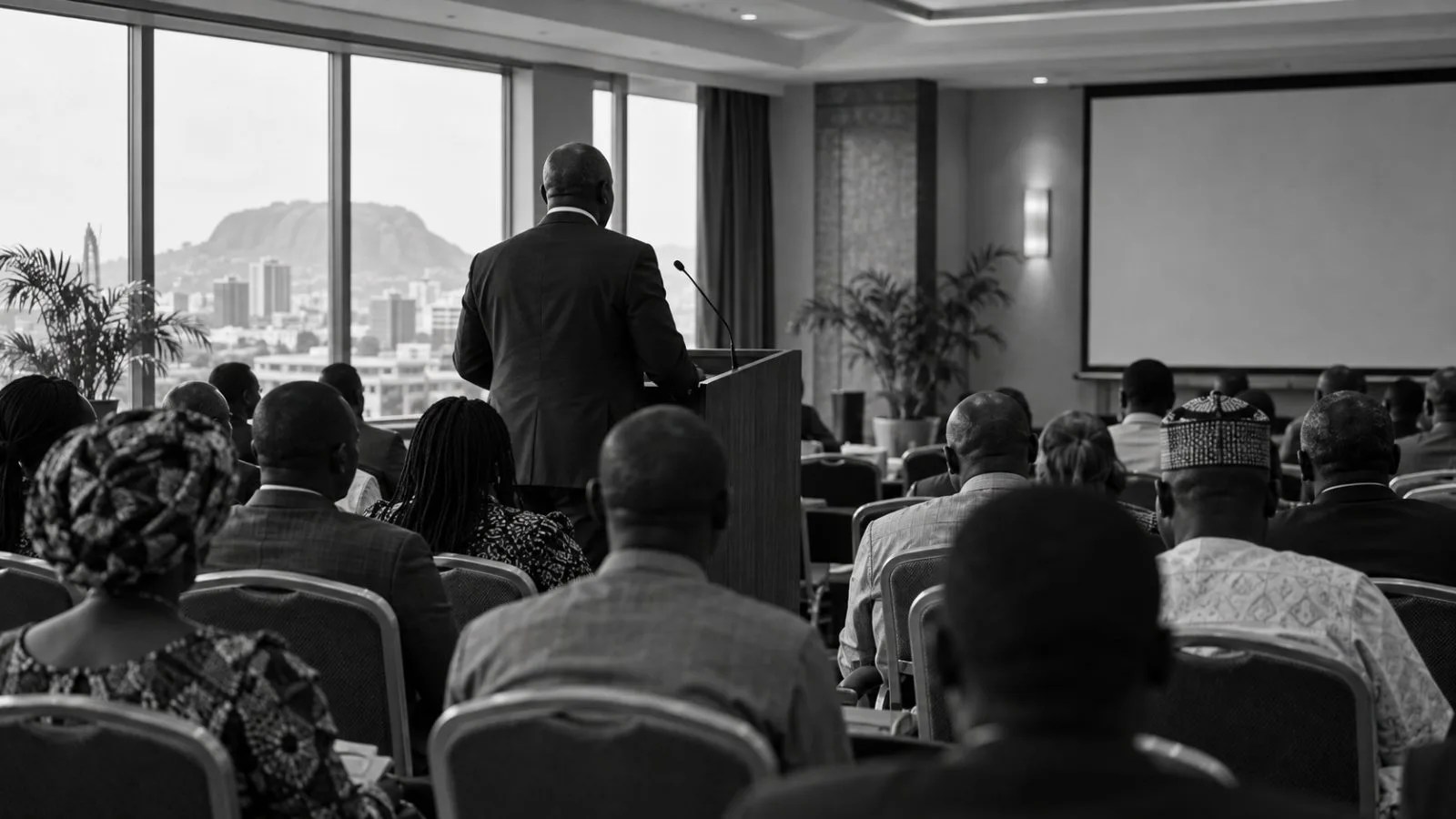
Employers' representation in Nigeria's minimum-wage talks is essential to weighing workers' living standards against the costs firms face, the Nigeria Employers' Consultative Association (NECA) said, as government and organized labor continue discussions.
Director-General Adewale-Smatt Oyerinde made the case in remarks reported by BusinessDay on Oct. 29, during ongoing engagement between the government and organized labor. NECA said it is not opposed to negotiating or reviewing the national minimum wage, but wants all three groups represented when the policy is discussed.
The association cited the International Labour Organisation (ILO) and its Minimum Wage Fixing Convention, 1970 (No. 131). Article 3, it said, calls for consideration of workers' needs alongside relevant economic conditions in wage setting.
Oyerinde said a review should weigh workers' welfare and purchasing power against firms' ability to remain viable, keep jobs and hire workers. He also cited high energy costs, inflation, expensive financing and other operating pressures facing Nigerian businesses.
NECA argues employers should not be treated as parties to wage agreements reached without their involvement in bargaining or acceptance of the result. But it acknowledged that businesses still have to comply with a minimum wage lawfully set under the National Minimum Wage Act.
The association warned that industrial disruption linked to wage talks could interrupt productive activity and threaten business survival, employment security and investor confidence. It said those risks are acute for smaller businesses struggling to regain stability.
The Act sets the national monthly minimum wage at ₦70,000 and requires a three-party committee to convene at least six months before the wage expires. The committee includes government, organized labor and private-sector representatives.
The Nigeria Labour Congress' call for the government to begin talks before a two-week ultimatum forms part of the wider dispute over the wage review. NECA urged the parties to use dialogue and established lawful dispute-resolution processes.