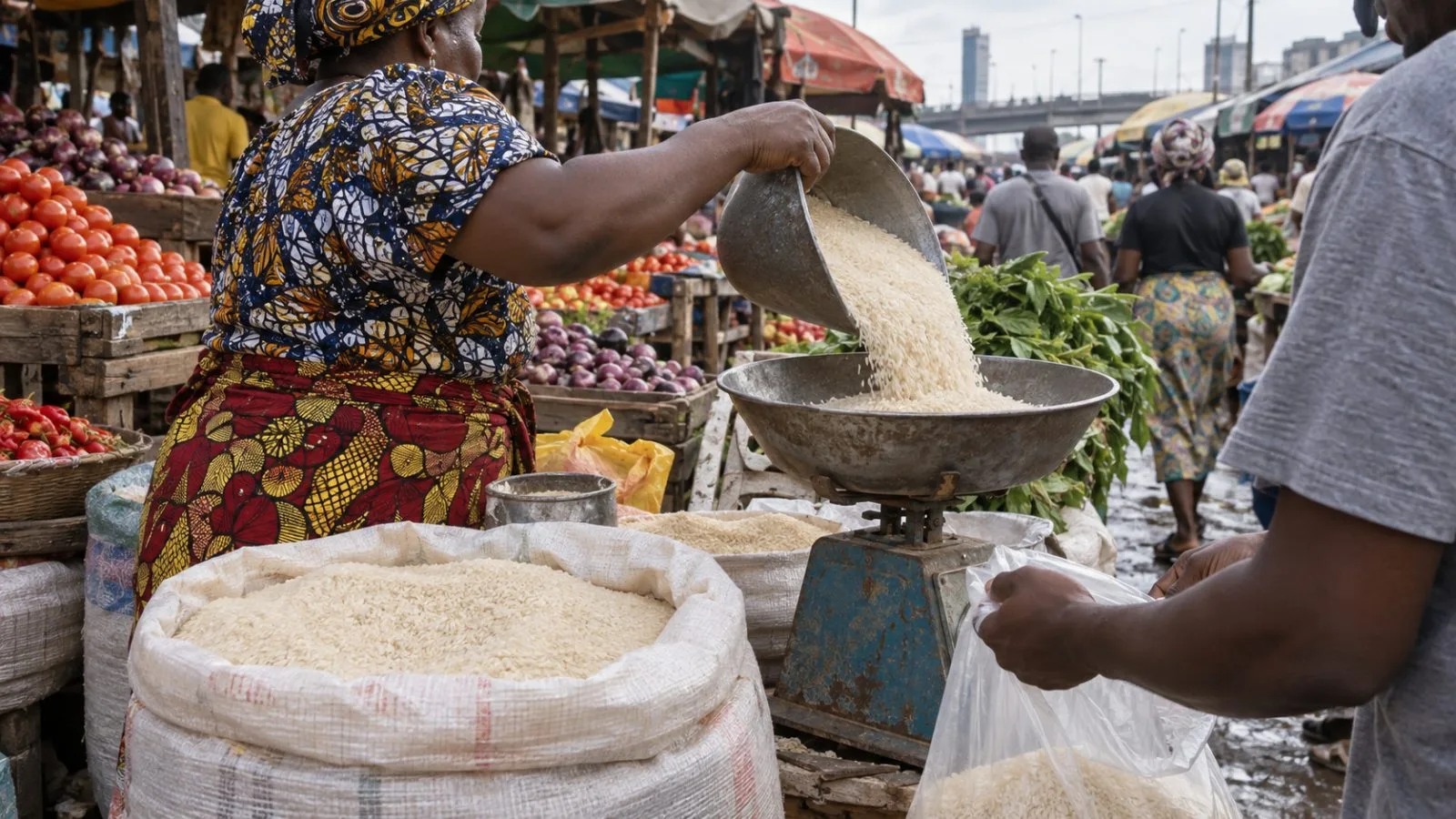
Nigeria’s annual inflation slowed in September, but official consumer-price and minimum-wage measures do not show whether workers’ earnings kept pace, leaving a claim in a recent opinion column untested.
The National Bureau of Statistics (NBS) reported year-over-year headline inflation of 14.63% for September 2026, down from 15.39% in August. Monthly inflation was 0.06%, compared with 0.71% in August. The figures track consumer prices, not average earnings or changes in pay. That distinction matters when assessing household pressure: prices and wages measure different parts of the economic picture.
In a Nov. 16 opinion column for Premium Times, Ifeanyi Uddin argues that patronage shapes decisions in public and private life by rewarding personal allegiance. He says people within those networks can benefit while others may hope to gain access later, describing the preference as “loyalty over competence.” The column’s cultural explanation is Uddin’s argument; the inflation figures do not establish that culture caused economic strain.
Nigeria’s statutory minimum wage rose from ₦30,000 to ₦70,000 per month in 2024. The National Pension Commission (PenCom) says President Bola Tinubu signed the law on July 29 that year. The legal floor sets a minimum rate; it does not report typical earnings or how they changed across the workforce.
Uddin also looks back at Nigeria’s governments since 1960 and discusses proposals to restore parliamentary and regional governments. The column gives no specific historical case studies showing whether those arrangements would improve accountability.
Uddin calls the monetary policy establishment “captive.” The Central Bank of Nigeria (CBN) Act provides for the bank’s independence and assigns it a monetary and price stability mandate. That legal framework describes the bank’s formal status but does not establish how much influence it faces in practice.
The CBN set its policy rate at 23% in September. Its next Monetary Policy Committee meeting is scheduled for Monday and Tuesday, Nov. 23–24, 2026.