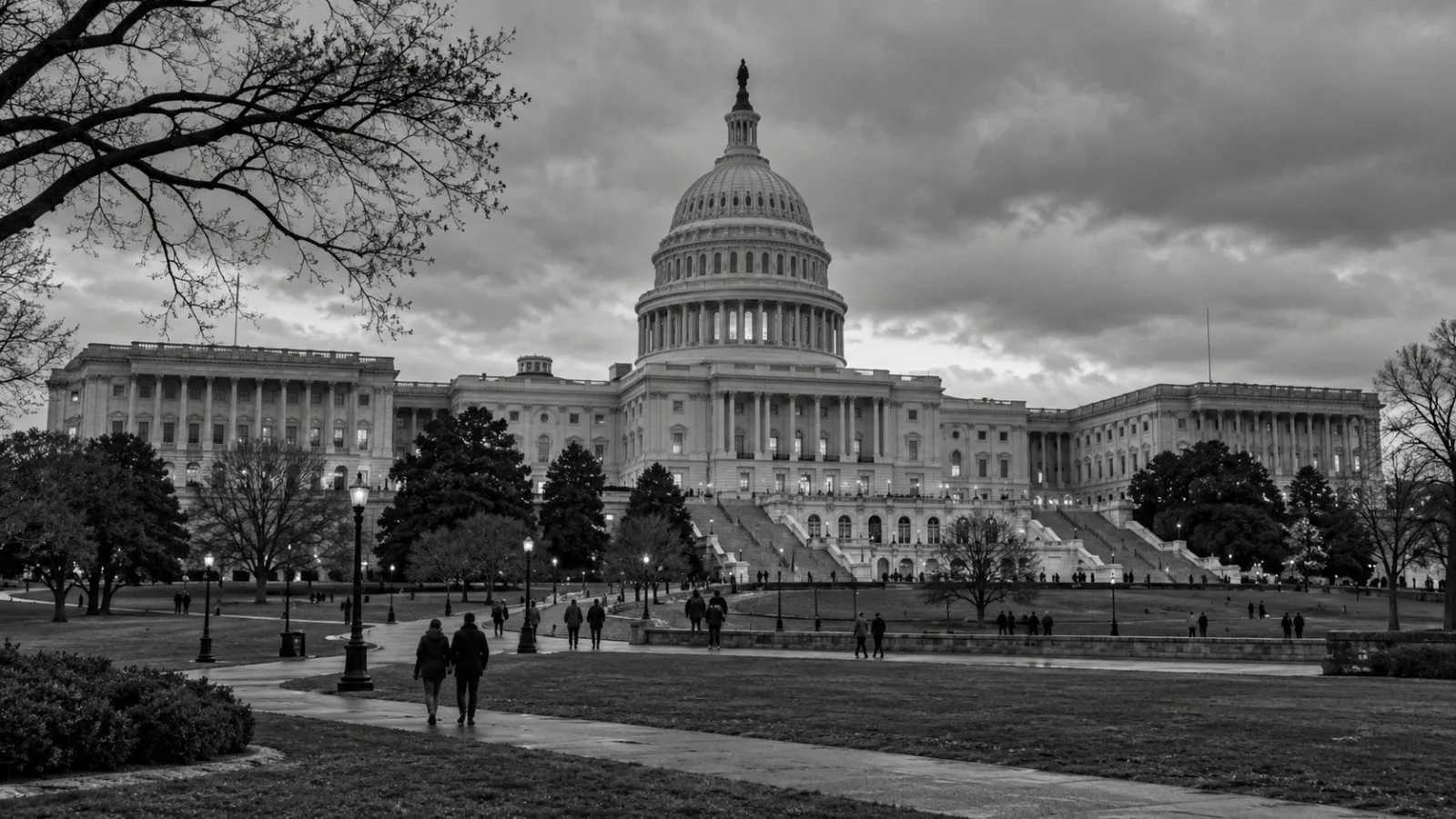
Republicans’ 2022 capture of the U.S. House left Democrats in charge of the Senate, a split result that NPR’s historical review treats as short of a decade-defining midterm.
House of Representatives historical records list Republicans with 222 seats and Democrats with 213 in the 118th Congress. The Senate’s official party history lists Democrats as the majority for that Congress. The result changed control of one chamber while leaving the other with the same majority.
The House is elected every two years, while Senate seats are divided into classes so roughly one-third face election on that schedule. The Federal Election Commission (FEC) lists Nov. 3, 2026, as the next regularly scheduled federal general election, giving voters another chance to determine congressional control.
Earlier midterms sometimes moved both chambers into one party’s hands. Republicans recaptured the House in 1946, after 15 years, and also took control of the Senate. In 1994, Republicans likewise won majorities in both chambers. The Senate Historical Office’s account assigns Democrats a 13-seat gain in 1958 and says the result significantly altered the Senate’s political trajectory.
In an Oct. 24 analysis, NPR’s Ron Elving argues that the 2020s have not yet had a midterm with national consequences comparable to elections he identifies in each of the nine earlier decades. Elving’s review weighs effects on Congress and national politics, without prescribing a seat-change threshold for a midterm to qualify. The House handover in 2022 remains a concrete change in power, while the broader historical judgment is Elving’s assessment.
Elving’s analysis also says midterm vote totals run at about two-thirds of presidential-year levels. He argues that people opposed to the president are often more eager to vote in midterms. The next scheduled federal election, on Nov. 3, 2026, will add the next chapter to the decade’s record.