


 Trump Plans White House Shake-Up of Key AI Safety Agency
  NATO Commander Warns Russia of Devastating Response to Attack
  Greenland Lawmakers Back Trump Security Deal Despite Economic Concerns
  Mahmoud Abbas Postpones Palestinian Elections to September 2027
  Trump Denies Russia and China Are Helping Iran in U.S. Conflict
  European Auto Stocks Rise as EU-China Trade Deal Targets Hybrid Imports
  Jordan Bardella Antisemitism Allegations Threaten Le Pen’s Campaign
  Djibouti Migrant Boat Capsizes, Killing 139 and Leaving 84 Missing
  India Voter List Protests Reach Supreme Court as Opposition Demands Election Chief's Resignation
  Trump Defends Russian Diesel Deal Amid US Sanctions Backlash
  Elon Musk Donates $366 Million to 2026 US Midterms
  Most Americans Oppose Election Betting on Prediction Markets, Poll Finds
  Panama Declares Emergency After 7.7 Earthquake Triggers 200 Aftershocks
  MI5 Warns of Rising Iran, Russia Threats and AI Bioweapon Risks
  US Condemns China Sanctions on Taiwan Allies Belize and Paraguay
  US Supreme Court Denies Release of Anti-ICE Activist Kyle Wagner
  Pakistan Declares Emergency in Khyber Pakhtunkhwa, Suspends Imran Khan’s PTI Government


 Add as a preferred source on Google
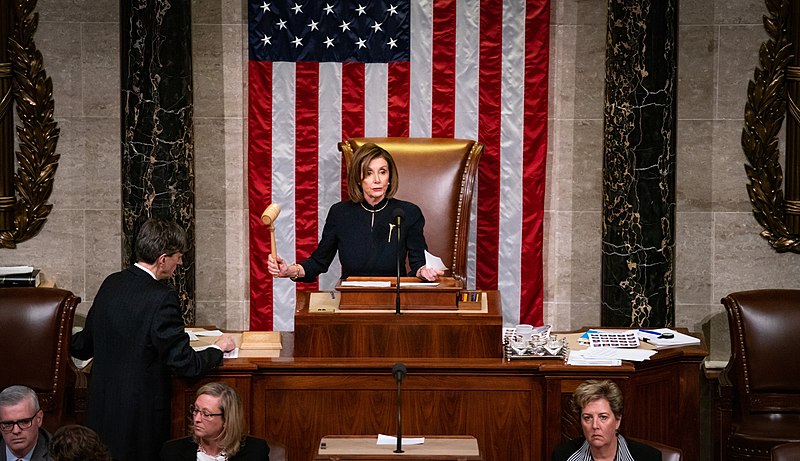
US House Speaker Nancy Pelosi continued to rip into Russian dictator Vladimir Putin as he continues to try and invade Ukraine. Pelosi cited the speculations that the Russian leader is unwell or is suffering from the long-term effects of COVID-19 that may explain his behavior.
Speaking on MSNBC Tuesday, Pelosi mentioned the speculations that the Russian dictator is suffering from an illness or from the long-term effects of the coronavirus. However, Pelosi noted that whatever may be the cause of Putin’s behavior, the Ukrainian people are the ones suffering from his actions.
“I have met with some heads of state who have met him and they just take it at face value the evil he is putting forth as something that we have to deal with. They’re not making a diagnosis of his health,” said Pelosi. “Some people say he has cancer and some people say he has brain fog from COVID. But other people just think he’s a complete raging bully. But whatever it is, the people of Ukraine are paying the price for it.”
Pelosi’s comments also come as Republican Senator Marco Rubio of Florida, who is part of the Senate Intelligence Committee, questioned Putin’s mental state on social media. Rubio stressed that the Putin the world is dealing with today is not the same person from more than 10 years ago.
Donald Trump’s former National Security Adviser, H.R. McMaster, also said on CBS “Face the Nation” that Putin is no longer “a rational actor” and is becoming so out of fear of what is at stake.
Pelosi said Wednesday that a deal on sending more emergency funding to Ukraine is “imminent,” which could lay the groundwork to including the funding in a larger government package that is due to get votes next week, according to The Hill.
“We should probably have all of that done today because we have to be on schedule for the omnibus,” Pelosi told reporters at the Capitol.
“It’s the fastest thing,” Pelosi added. “It’s the vehicle leaving the station.”
The Biden administration has requested Congress for $6.4 billion in aid to Ukraine. The funding would be divided between Kyiv’s military defenses and humanitarian relief to Ukrainians who have been affected.







