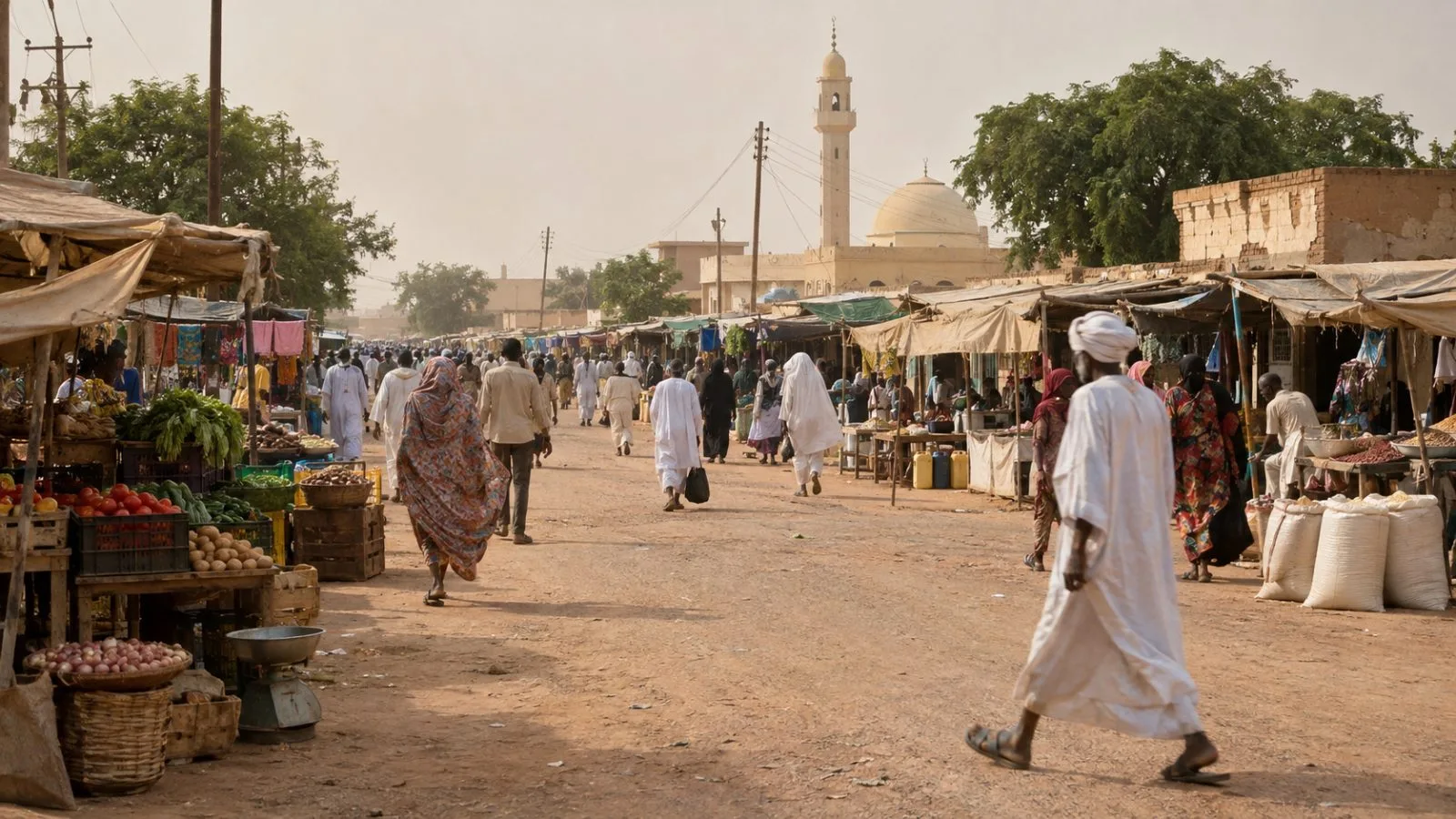
Save the Children estimated that 589 million children lived within 50 kilometers of a conflict incident in 2025, or 23.4% of children worldwide, marking a record in data tracked since 1990 and underscoring the scale of children’s exposure to conflict.
The organization’s report, Stop the War on Children: Changing the Odds, put the 2015 estimate at 378 million, meaning the number grew by more than half over the decade. The proximity estimate draws on research from the Peace Research Institute Oslo. Separately, the report analyzes violations documented through U.N. monitoring.
Proximity to conflict does not mean each child experienced a documented violation. In a separate tally, the United Nations verified 38,558 grave violations affecting 24,174 children in 2025. EconoTimes previously reported on the U.N.’s 2025 tally of grave violations.
The U.N. recorded 8,322 verified incidents of denial of humanitarian access in 2025, compared with 509 in 2015. Save the Children said access denial made up more than 21% of verified violations, the second-largest category after killing and maiming.
The U.N. also recorded 14,224 children killed or maimed and 5,129 abducted. Government forces accounted for most violations overall and were the leading perpetrators in killing and maiming, attacks on schools and hospitals, and denial of humanitarian access, according to the U.N. report.
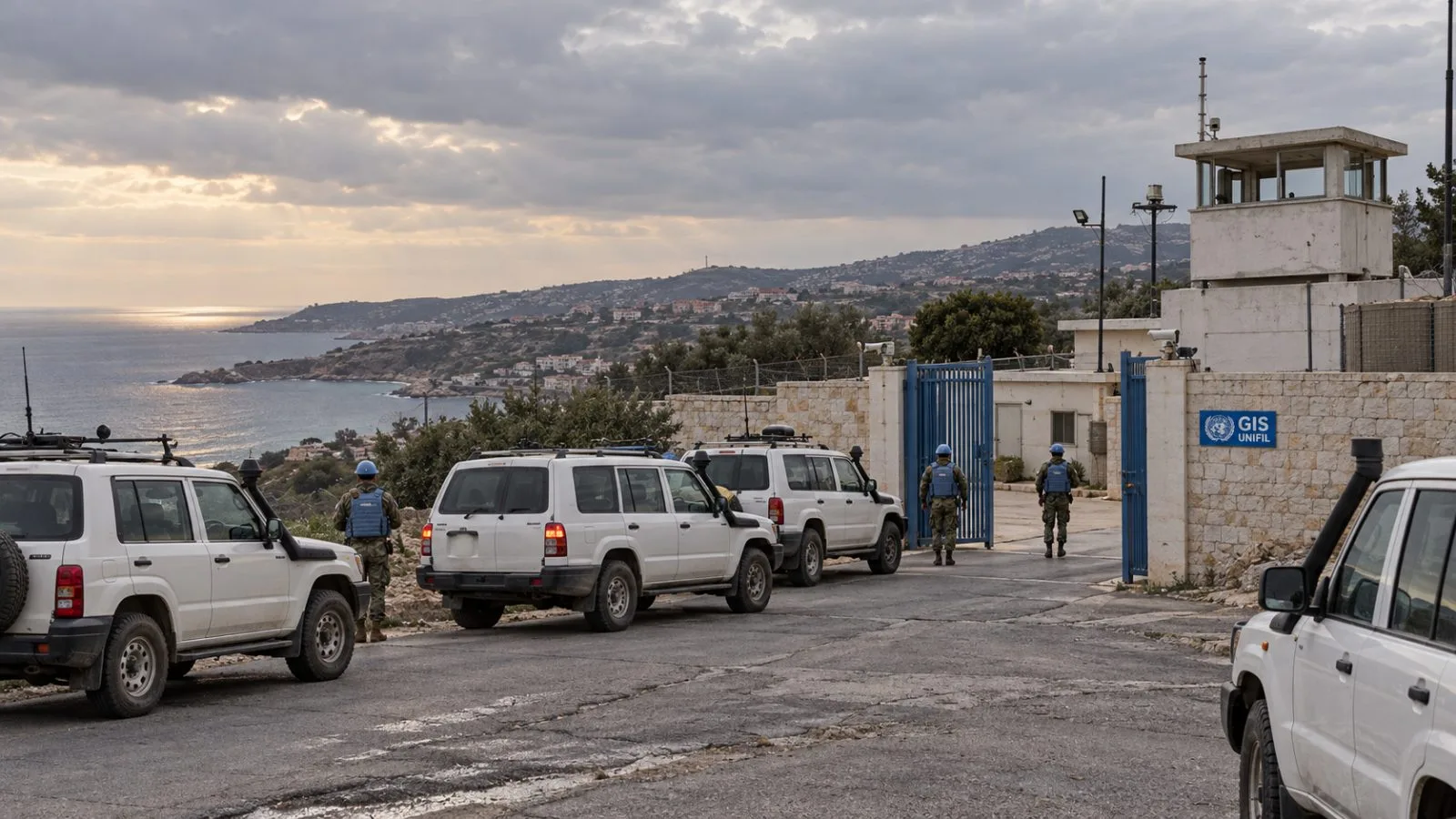
The report cautioned that its access-incident count does not capture the full humanitarian-access situation in the countries covered. It also said cuts to child-protection funding and the drawdown of U.N. peace operations reduced the capacity to verify violations and respond to them.