Nepal is pushing for stronger disaster data-sharing with China after a catastrophic Himalayan glacier collapse triggered floods and mudslides that killed nearly 800 people across both countries and left more than 3,000 missing.
Three months before the disaster, officials and experts from Nepal and China met in Kathmandu on May 27 to discuss cross-border cooperation on floods, extreme weather and glacier-related hazards. Participants proposed measures including glacial lake inventories, hazard mapping and improved monitoring.
However, Nepali officials said they wanted more detailed information from China on glacier movements and water levels. Hydrologist Sauhardra Joshi said earlier warnings about changes in glaciers could give Nepal valuable time to prepare communities downstream.
China's embassy in Nepal said the two countries have maintained close communication and made "substantial progress" on cross-border disaster information sharing. It also said Chinese teams had provided important information in a timely manner despite the challenges of monitoring the remote Himalayan region.
Twelve days before the disaster, China's World Meteorological Centre warned Nepal that a monsoon depression expected from August 14 to 19 could bring heavier rainfall, landslides and flash floods.
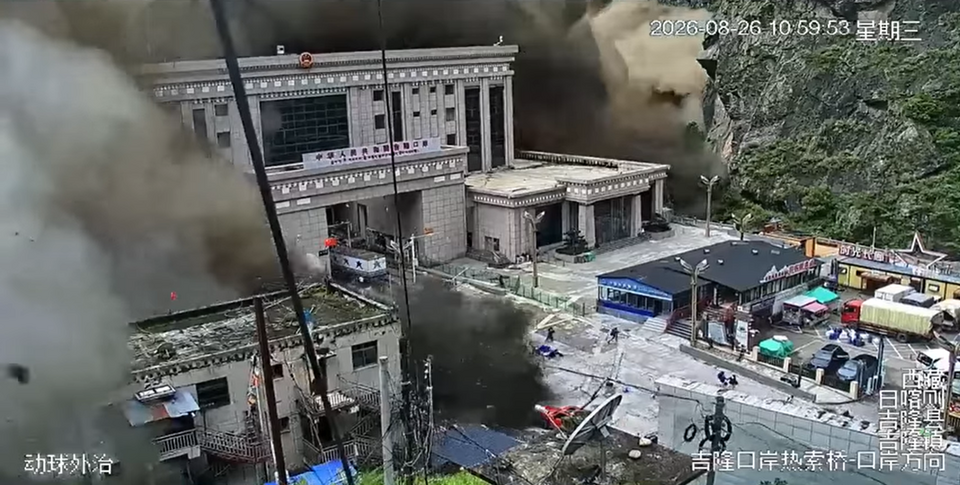
The glacier collapse nevertheless occurred in a relatively unmonitored area. At about 8:32 a.m. Nepal time on Wednesday, a massive torrent swept through a border crossing in Tibet. Nepalese authorities received reports of flooding minutes later and issued a public mobile alert at 9:13 a.m.
The flood traveled about 168 kilometers downstream from the Nepal-China border, destroying at least four monitoring stations. It also damaged 19 bridges, around 40 kilometers of highway and more than 10% of Nepal's electricity-generation capacity.
Climate change is increasing risks across the Hindu Kush Himalayas as glaciers melt faster, snowfall becomes less predictable and snow cover declines. The region contains more than 63,700 glaciers and supplies major river systems flowing through densely populated areas of South Asia.
Nepal now plans to seek a formal data-sharing agreement with China covering avalanches, rainfall, river levels and glacial lake risks. Officials want information as frequently as every 10 minutes to strengthen Himalayan flood early-warning systems and help prevent future loss of life.