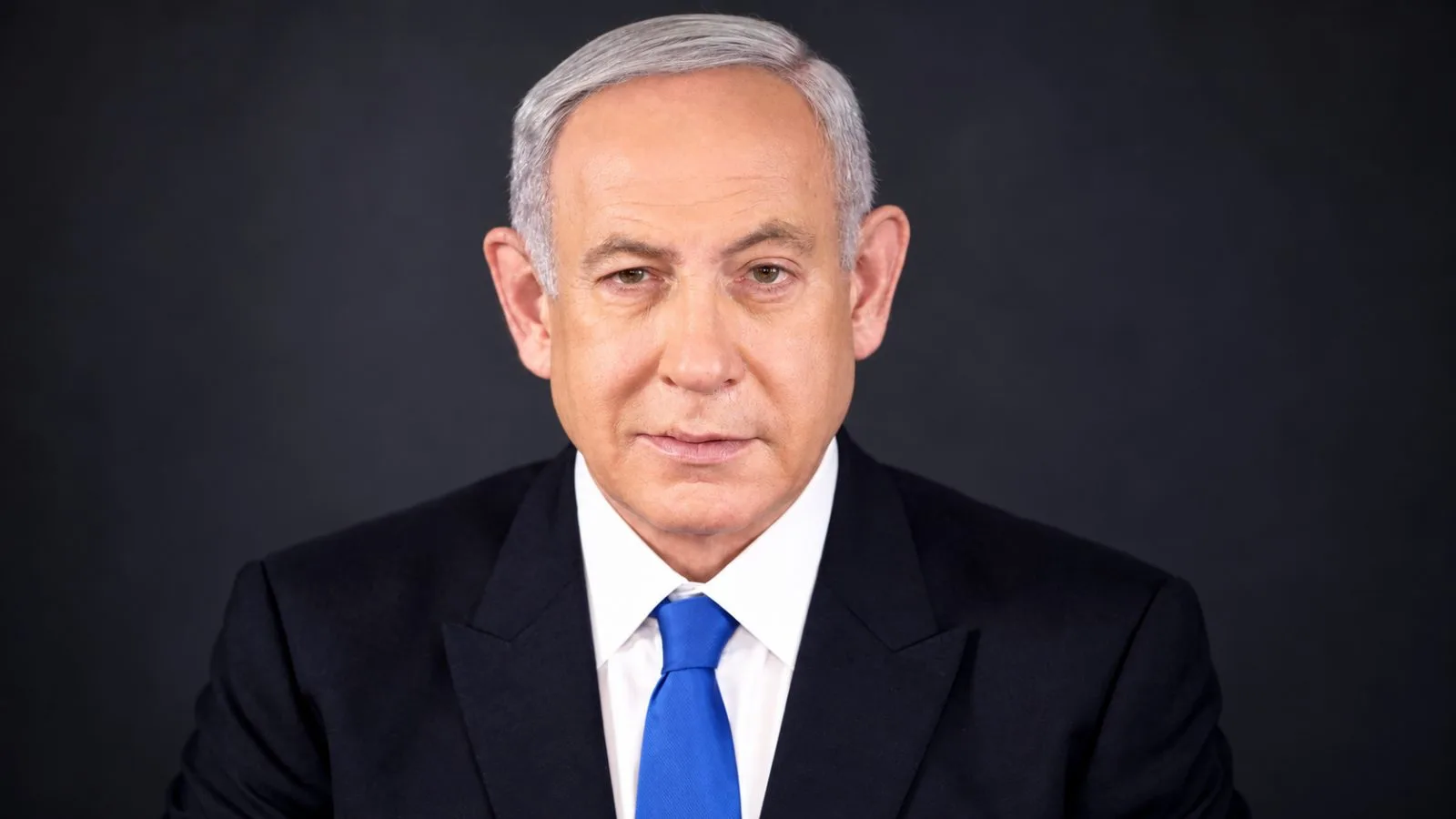
Israel’s Central Elections Committee (CEC) puts Prime Minister Benjamin Netanyahu’s bloc at 53 seats, leaving coalition talks decisive because no grouping has the 61 needed for a majority in the 120-seat Knesset.
The CEC’s tally gives the opposition bloc led by opposition leader Gadi Eisenkot 48 seats and two Arab party groupings 19. Eisenkot’s bloc is 13 seats short of a majority on its own. France 24 reported that Likud, Netanyahu’s party, won 27 seats, the most of any single party.
EconoTimes previously tracked the count while results were still pending in its coverage of Israel’s election tally.
The opposition and Arab party totals add up to 67 seats, which could support a majority if the groups cooperate. The Straits Times reported that hesitation among Jewish parties about working with Arab parties may complicate that option. The newspaper also identified a unity government or defections between blocs as other possible routes to power.
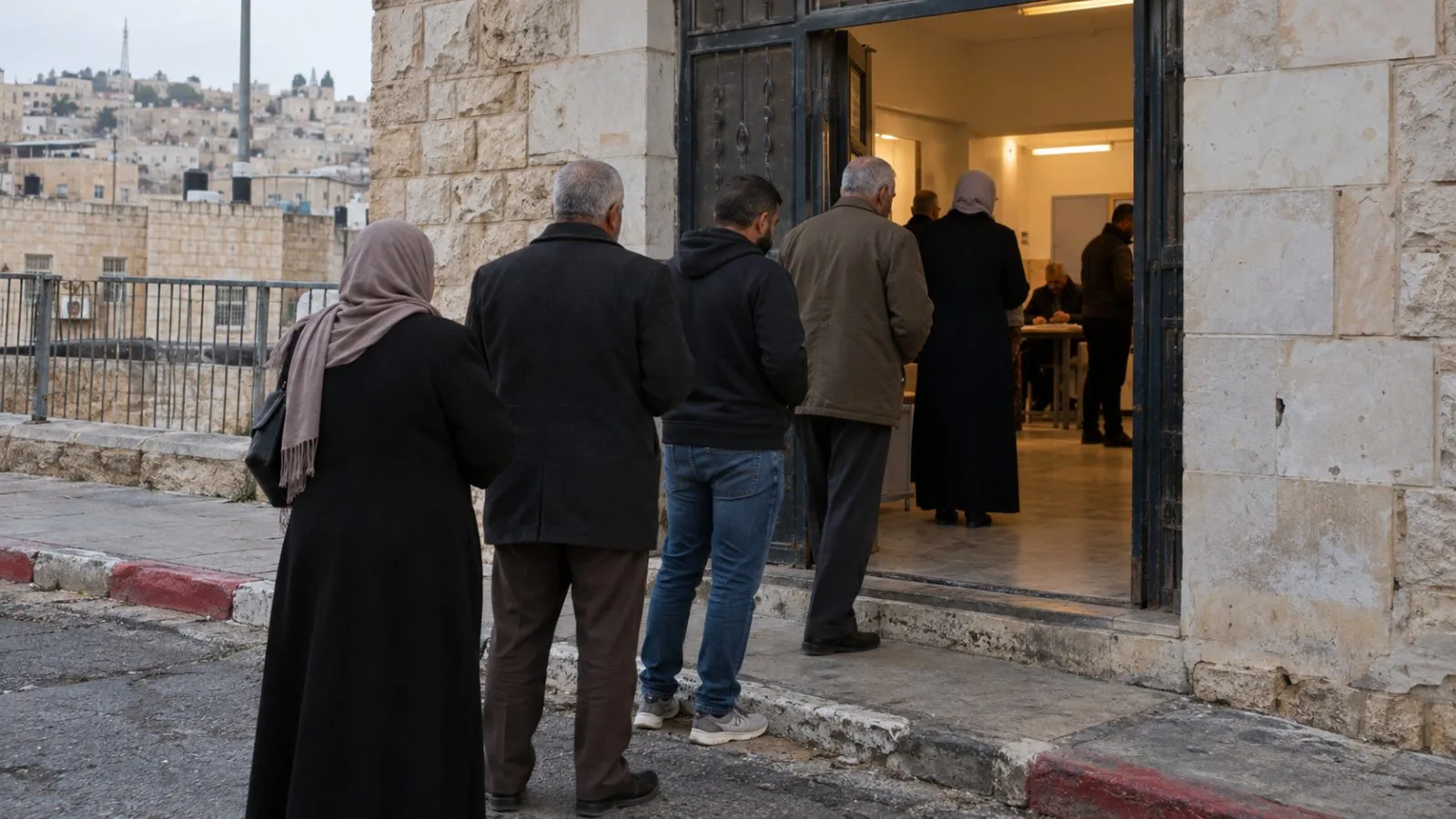
The Straits Times described the Arab parties’ combined result as a record. It also reported that voter participation surpassed levels recorded in every Israeli election since 1999. The paper said Netanyahu remains in a caretaker role until another government takes office.
After verification, President Isaac Herzog will consult party leaders and select a candidate to try to form a government, The Straits Times reported. The newspaper said the person chosen would have four weeks to gather enough support and could ask for two more.
The Straits Times said the vote was Israel’s first since the Hamas-led attack on Oct. 7, 2023, which was followed by war in Gaza. The paper recalled that prolonged political deadlock between 2019 and 2022 sent Israelis to the polls five times.
The CEC says the published tally may change before the results appear in the Official Records on Wednesday, Nov. 4.