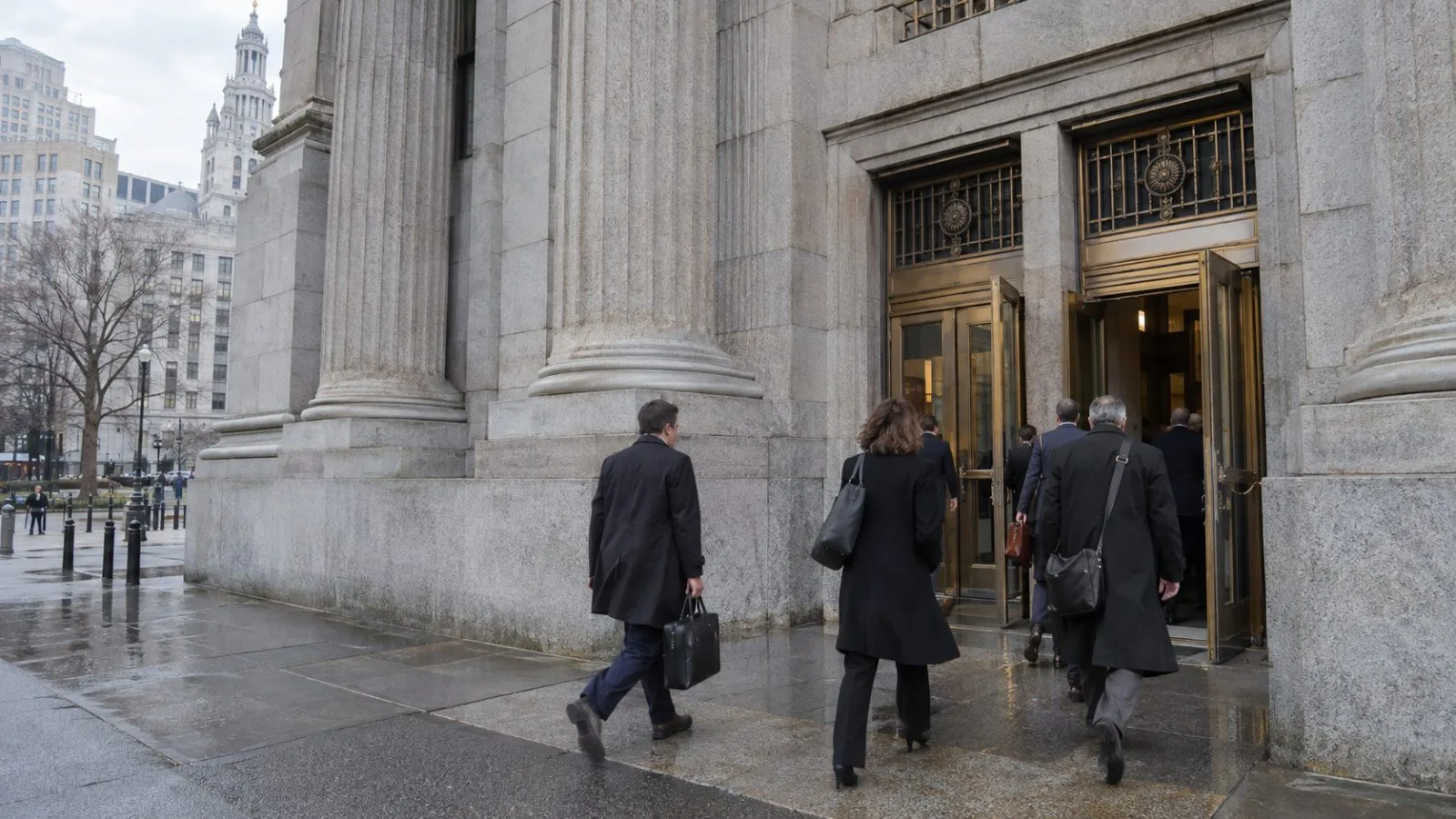
A federal judge in New York declined to extend restrictions on Trump administration political advertisements after the Nov. 3, 2026, elections, leaving a parallel Washington case to address their future.
U.S. District Judge Jennifer L. Rochon found that the coalition challenging the ads, which includes Common Cause, had not shown they were still causing “imminent and irreparable harm.” Rochon said the earlier urgency was tied to the elections, which have passed.
The ruling does not resolve the broader dispute. The Independent described it as an incremental victory for the Trump administration, while the advertisements’ future now rests with a separate case before a judge in Washington, D.C.
The Democratic National Committee is seeking a preliminary injunction against further development, distribution or broadcast of the spots, The Independent reported. A hearing took place earlier this week, but the Washington judge has not ruled.
The television advertisements debuted in September, with at least some funding provided through a $20 million Department of Homeland Security contract. The Independent described the campaign as taxpayer-funded. Some of the spots appeared on Trump administration social-media channels and the White House website.
The advertisements included footage of Trump speeches and messages about tax cuts and support for law enforcement. Another spot repurposed a clip from Trump’s 2024 presidential campaign and used his voice to warn of a “final battle” against “globalists” and “warmongers.”
The plaintiffs have argued that the spots were illegal government-sponsored propaganda intended to promote Trump’s campaign message. The White House has characterized them as public-service announcements. Judges in both cases previously issued temporary restraining orders blocking some advertisements before the election.
Bradley Girard, senior counsel at Democracy Forward, said the group was disappointed but would continue pursuing the case on its merits. The Independent reported that the White House did not immediately respond to its request for comment. The temporary restraining order in the Washington case expires next week.