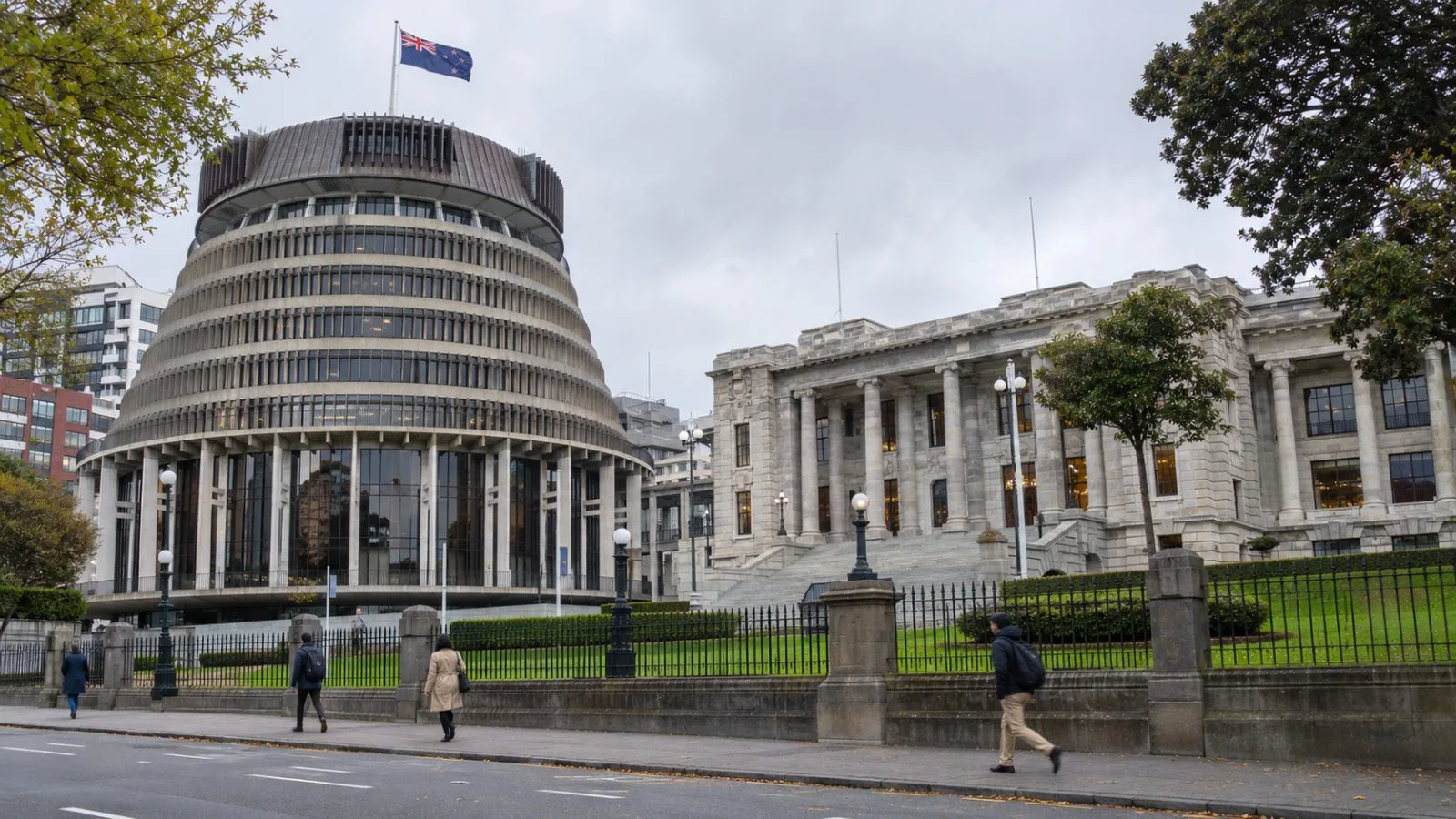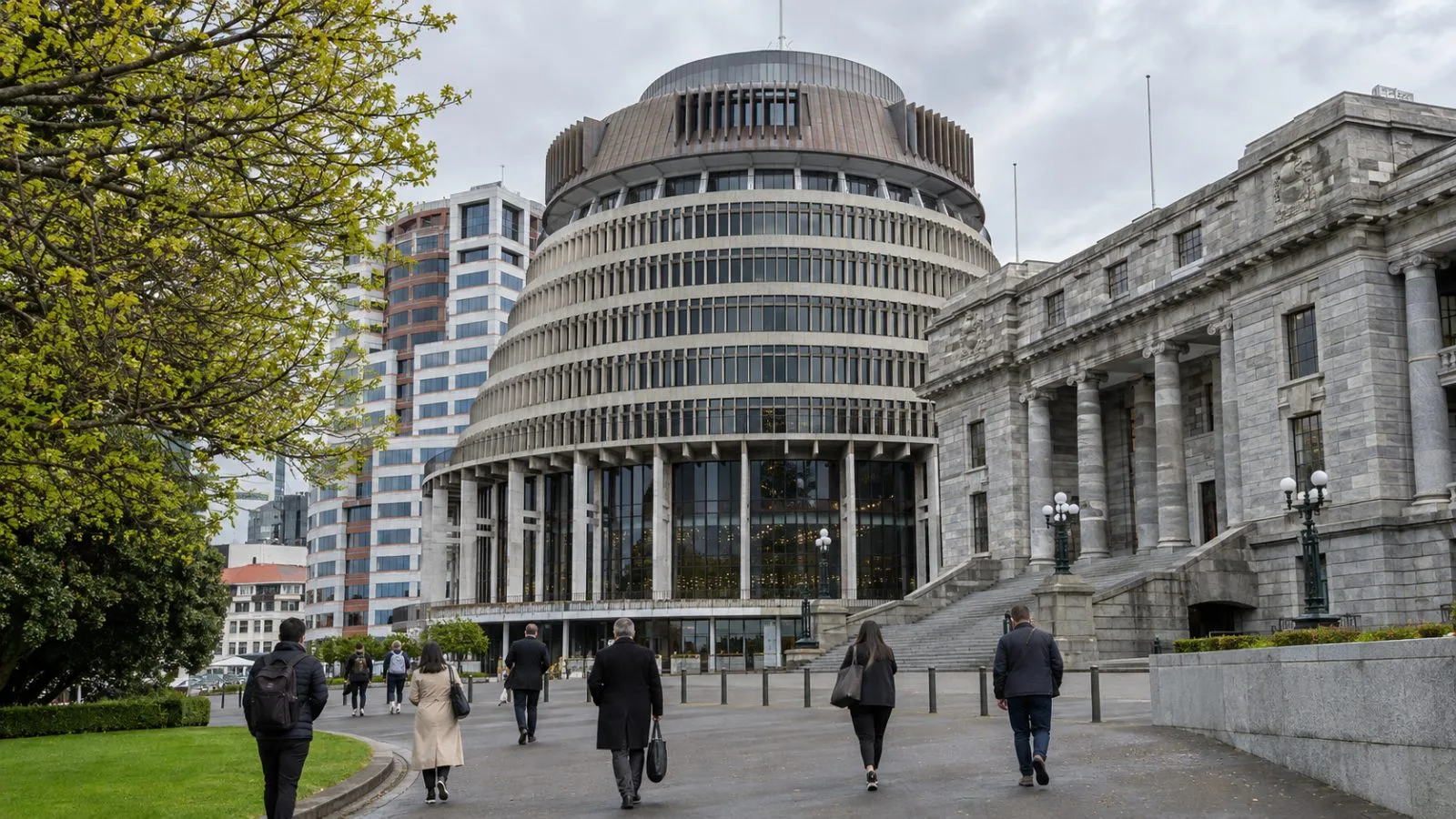
New Zealand’s job market has become a central campaign test, with unemployment reaching an 11-year high as voters prepare to choose a government amid pressure on household finances.
The jobless rate reached 5.7% in the third quarter, Reuters reported. The economy is still growing weakly after a lengthy downturn, and families continue to face tight budgets, the report said. Inflation has retreated from earlier highs, but fuel and other routine expenses are still weighing on households.
Reuters cited an Ipsos survey published this week that found inflation and living costs remained voters’ leading concern. Health care and hospitals were cited by 45% of respondents, followed by petrol and fuel at 31%, the economy at 30% and unemployment at 19%.
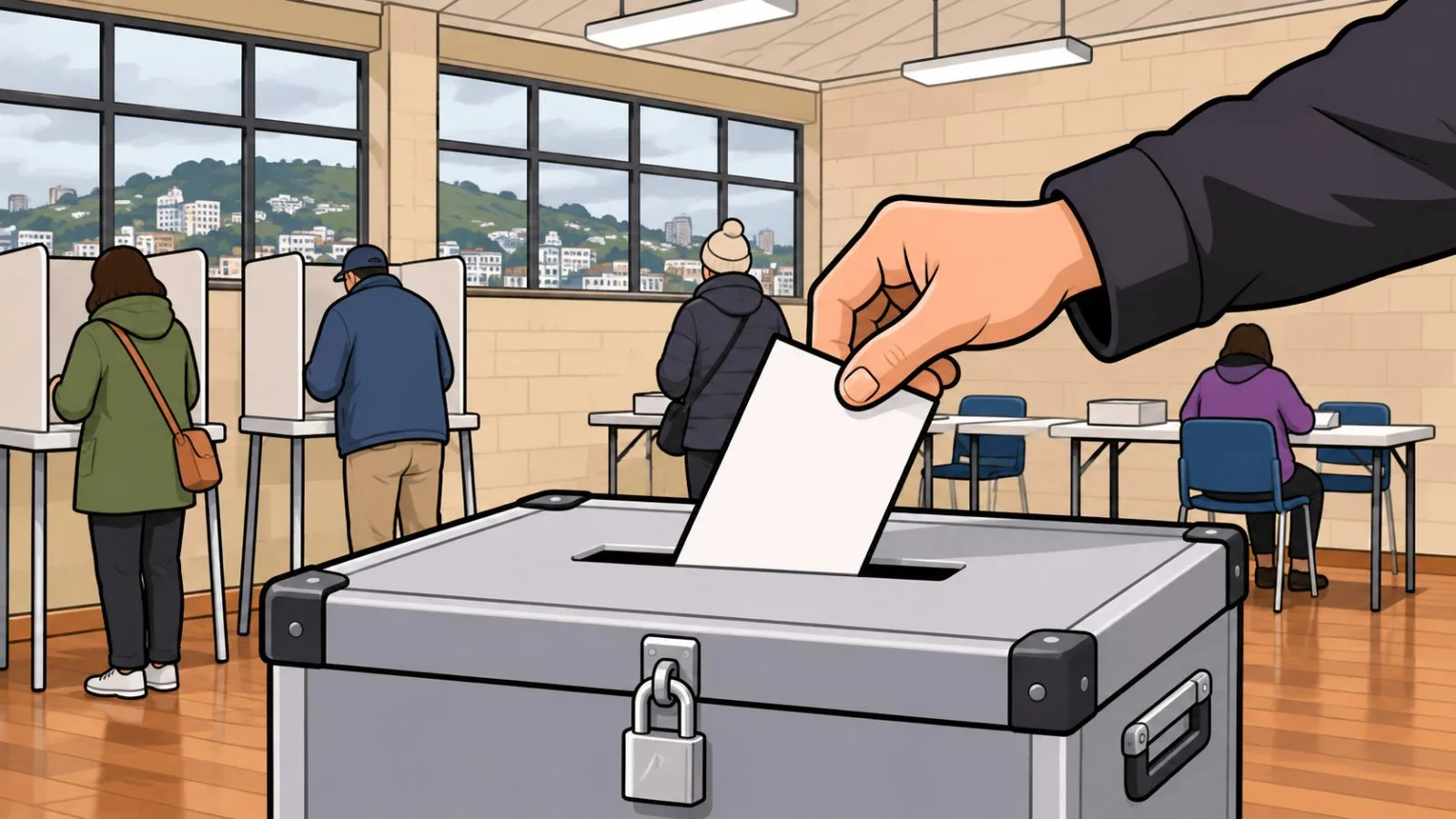
The Electoral Commission’s tally showed 1,250,057 votes had been cast by Tuesday. The comparable total at that stage of the 2023 election was 1,007,928.
This week’s polling did not point to a decisive route to a majority for either major camp, Reuters reported, leaving the centrist Opportunity Party potentially influential in coalition negotiations. EconoTimes previously examined Opportunity’s possible role in coalition talks.
Prime Minister Christopher Luxon sought another National mandate during a campaign stop in Hawke’s Bay, saying his party needed time to “complete the job,” Reuters reported. Labour leader Chris Hipkins urged voters to make his party the largest and said he hoped to lead a government before Christmas.
Living costs concern voters across age groups, according to Mona Krewel, a senior lecturer in political science at Victoria University of Wellington, who spoke to Reuters. She said Labour emphasized household expenses, while National and other center-right parties made a broader economic case. ACT and New Zealand First tried to put immigration on the campaign agenda, but Krewel said economic concerns remained more prominent.
Reuters reported that political commentators expect government formation could take several weeks. The report said smaller parties are gaining support as confidence in the largest parties declines.