New Zealand’s output-price growth cooled in the September quarter as the country’s central bank split over interest rates, a policy backdrop for the currency’s exchange rate against the U.S. dollar.
Stats NZ said the output-price index advanced 0.8% from June to September, after an updated 1.7% gain in the June quarter. On Nov. 18, the agency revised producer-price and farm-expense data covering March 2021 through June 2026; most of the change came from higher measured output prices in meat and dairy manufacturing.
The Reserve Bank of New Zealand (RBNZ) voted 4-3 on Oct. 28 to keep its Official Cash Rate (OCR) at 2.75%. Three members supported a quarter-point increase to 3%. The committee said tighter policy would likely be needed, depending on the economic outlook. EconoTimes previously reported on the New Zealand dollar’s response to the rate hold.
The RBNZ said annual consumer-price inflation eased to 3.7% in the September quarter from 4.1% in June. Its forecast put inflation at 4.4% in December, with fuel-futures pricing accounting for much of the expected increase. The bank also put the exchange rate about 3% below its early-September level. Export-facing sectors benefited from strong goods-export demand, high commodity prices and more tourists, while domestic demand remained subdued beyond export hubs. The RBNZ also cited strain among households and businesses.
FXStreet reported that the New Zealand dollar traded near 0.5500 against the U.S. dollar during Asian hours Wednesday. The outlet described Tuesday’s low as the pair’s weakest since March 2020 and said a firm U.S. dollar limited its recovery.
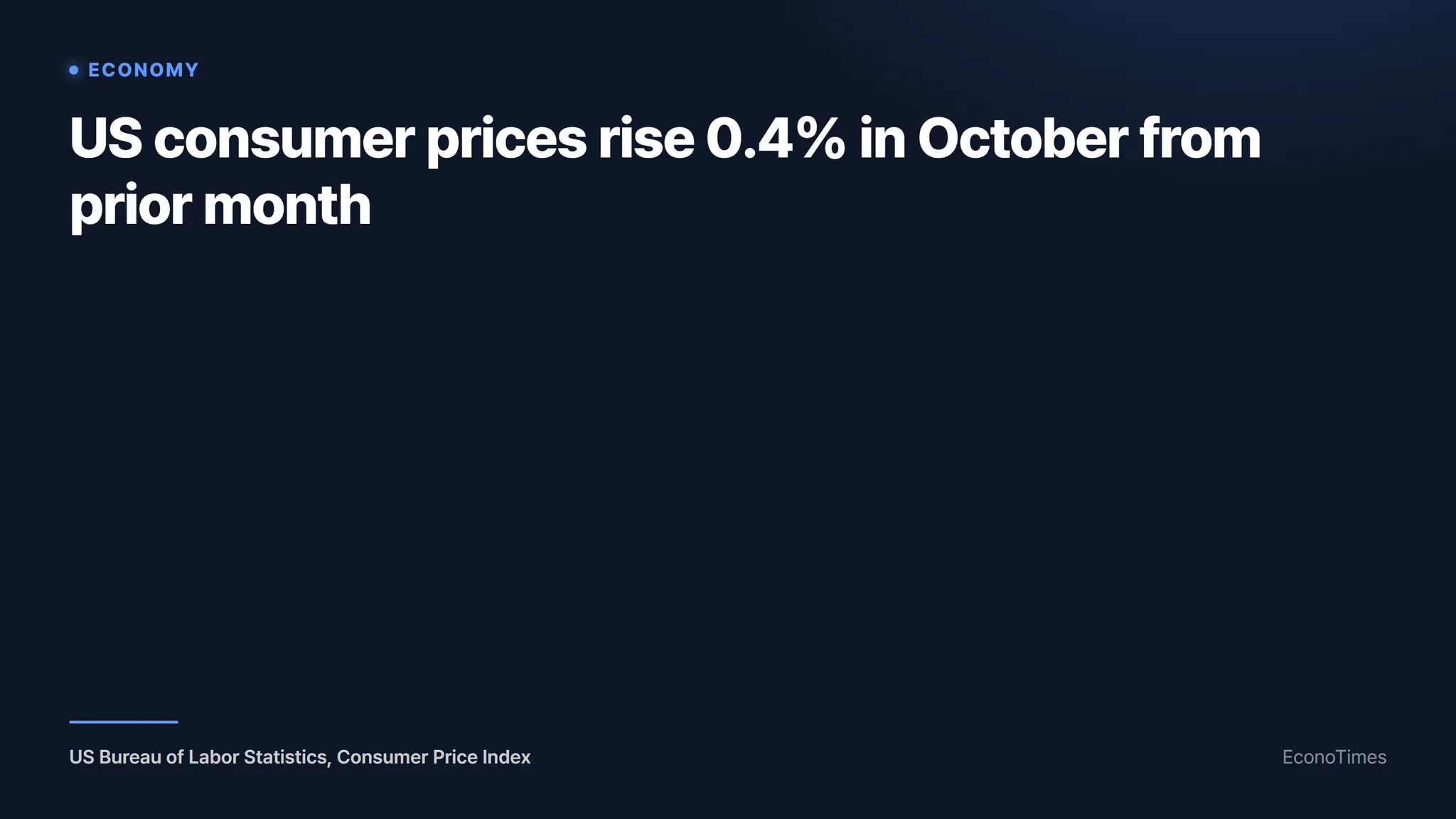
The U.S. Bureau of Labor Statistics said its consumer price index rose 0.4% in October after a 0.6% increase in September. The measure excluding food and energy increased 0.3%. The Federal Reserve held its target range at 3.75%-4% on Oct. 28; two members favored a quarter-point increase, and the central bank said inflation remained elevated.
The Fed’s calendar listed minutes from its Oct. 27-28 meeting for release at 2 p.m. ET Wednesday. Its next meeting is scheduled for Dec. 8-9, while the RBNZ’s next Monetary Policy Statement is due Dec. 9.