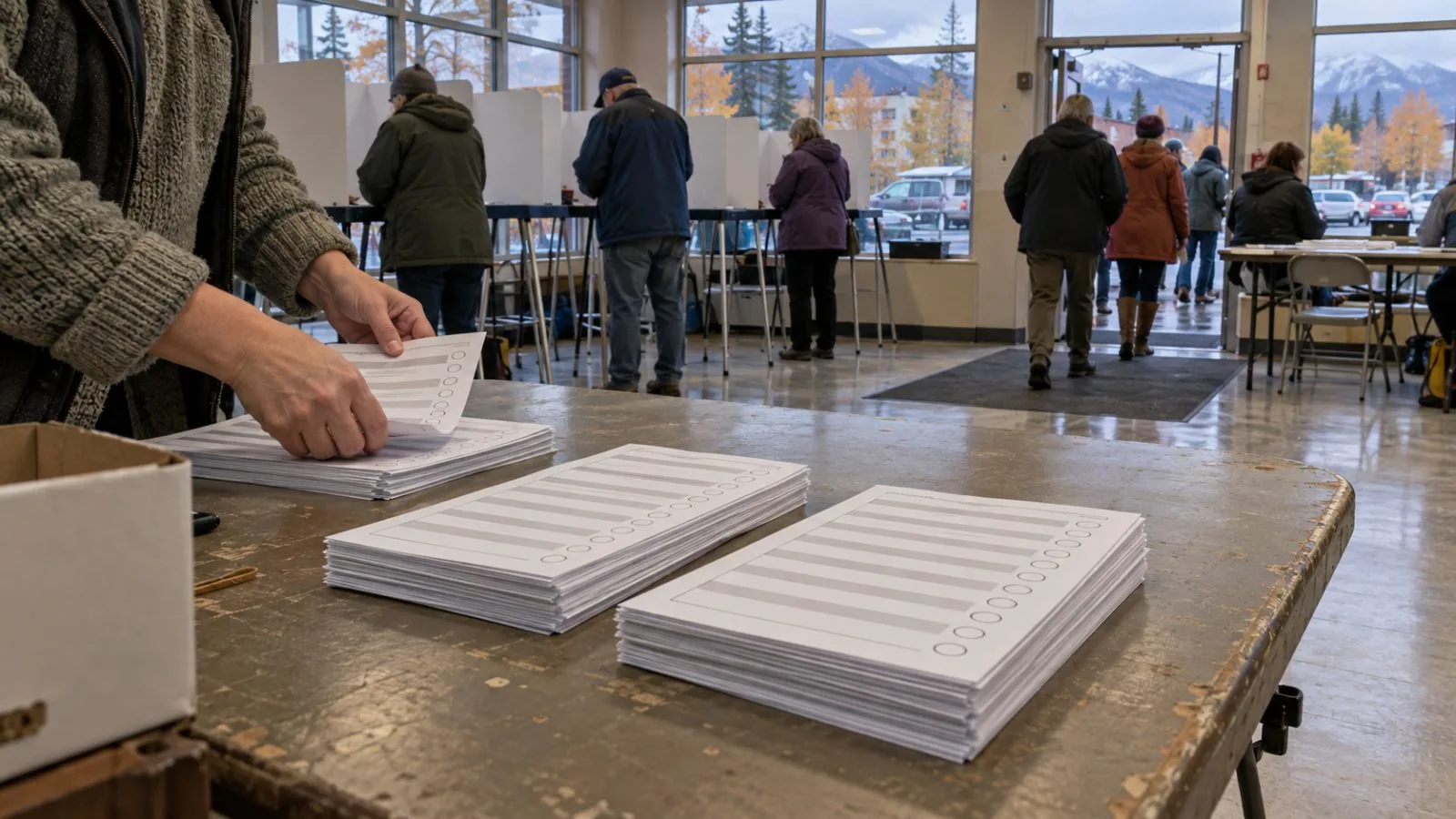
New Zealand’s uneven recovery is giving voters sharply different economic experiences before Saturday’s election, adding pressure to the National Party’s campaign to retain urban support, Reuters reported.
Home values in Wellington have fallen nearly 30% from their peak, while Auckland prices are down 24.7%; the national decline is 17%, Reuters reported. The outlet said the declines have reduced wealth held by middle-class homeowners. Government spending reductions in Wellington also eliminated contractor jobs and cut spending at shops and businesses, Reuters reported.
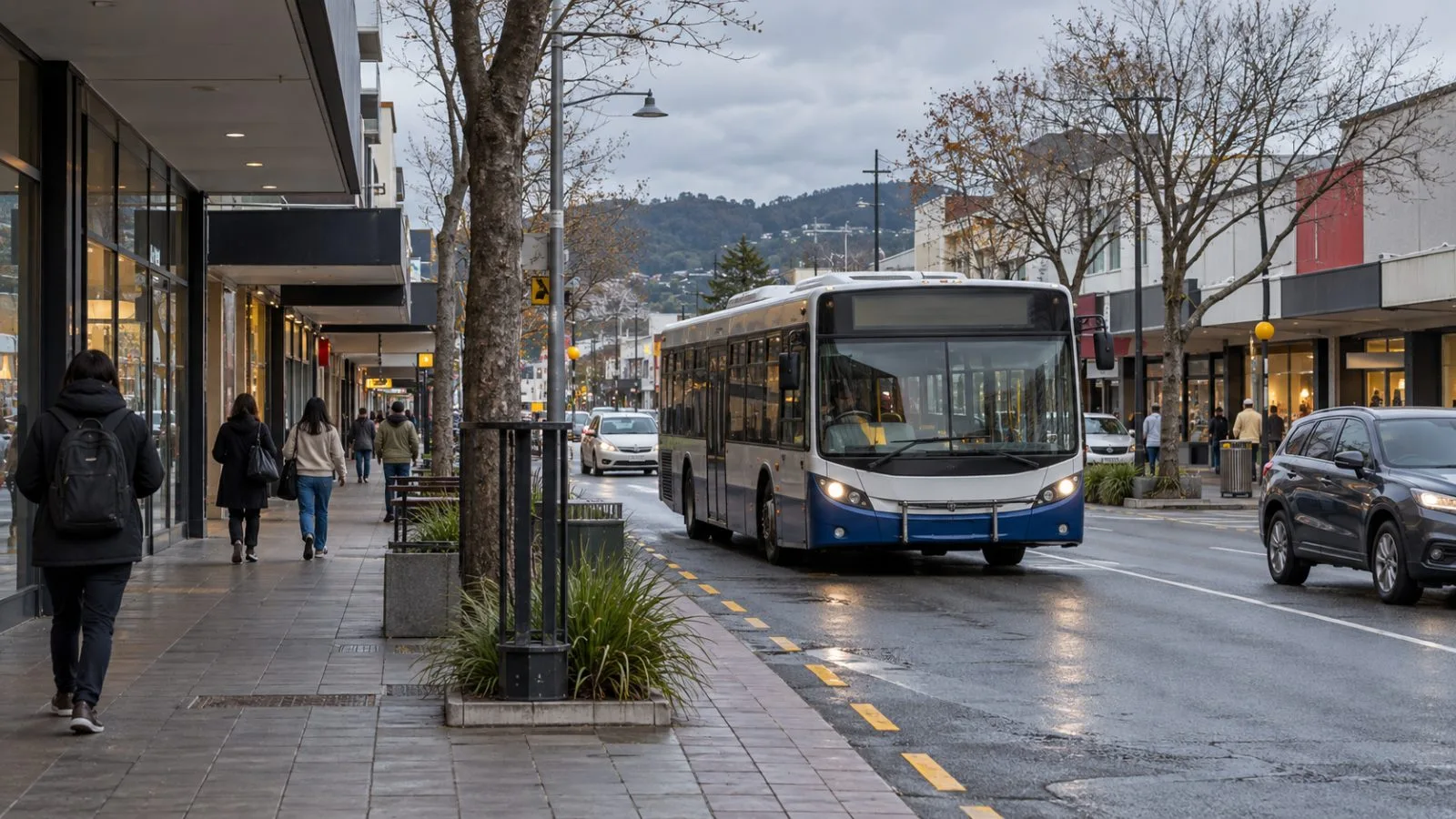
That squeeze is shaping choices in Hutt South, northeast of Wellington. Liz Hartley, a 70-year-old part-time bus driver in Lower Hutt, told Reuters rising prices leave her with little money at the end of the week. She plans to vote tactically against National incumbent Chris Bishop. “You don’t have savings anymore, there is no such thing anymore,” Hartley said.
Regional figures show a different pace of activity. Reuters tied the South Island’s 8.6% year-over-year increase in second-quarter retail spending to tourism and stronger agricultural exports. Consumer spending in Auckland and Wellington rose 5.8%. Reuters separately reported unemployment fell 0.6 percentage point on the South Island and rose 0.7 point on the North Island.
National gained ground in Auckland in 2023 as voters shifted from Labour, helping the party win the election, Reuters reported. About 65% of New Zealand’s 5.5 million residents live in cities with populations of at least 30,000, the outlet said. Reuters described the country’s recovery from years of sluggish growth as incomplete.
Bishop told Reuters that voters in his electorate want a plan to “drive prosperity.” He argued the government’s economic strategy was starting to produce results but needed more time. Kiwibank Chief Economist Jarrod Kerr said repeated economic shocks had delayed the recovery and that cost-of-living pressures remained real for households and businesses.
Political commentator Liam Hehir told Reuters voters may be less willing to wait for results from National’s combination of budget restraint and infrastructure projects. “You don’t get three years of that,” he said. Reuters said a coalition on the left is calling for a greater public role across household finances, public services and housing affordability.
Polls cited by Reuters show no clear route to government for any potential coalition. The outlet described the centrist Opportunity Party as attracting urban professionals and voters disillusioned with traditional left-right politics. Its leader, Qiulae Wong, told Reuters in August that people were seeking something different. The Opportunity Party could join the next government. New Zealanders vote Saturday, Nov. 7.