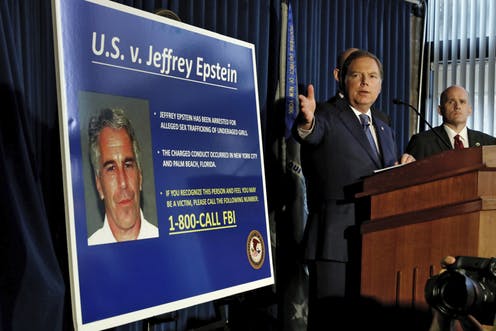
The U.S. Justice Department’s release of millions of internal documents related to Jeffrey Epstein has reignited global scrutiny of the late financier’s extensive network of powerful associates. The newly unsealed Epstein files detail social, professional, and in some cases financial connections linking Epstein to prominent figures in politics, finance, academia, and business, both before and after his 2008 guilty plea for prostitution charges involving an underage girl.
Epstein, who was arrested again in 2019 on federal sex trafficking charges, died later that year in a Manhattan jail cell in what officials ruled a suicide. The Justice Department has cautioned that the released material may include unverified claims, altered images, or false allegations. Thousands of documents were temporarily withdrawn after inadvertently revealing victims’ identities. Officials, including Deputy Attorney General Todd Blanche, emphasized that the presence of a name in the files does not constitute evidence of criminal wrongdoing.
Among the most searched names in the Epstein documents are U.S. presidents Donald Trump and Bill Clinton. Trump socialized with Epstein in the 1990s and early 2000s, though he denies knowledge of Epstein’s crimes and disputes claims he flew on Epstein’s plane. Clinton acknowledged traveling with Epstein after leaving office but has denied any misconduct. Britain’s Prince Andrew, who maintained a long-standing relationship with Epstein, settled a lawsuit with an accuser in 2022 without admitting wrongdoing and has since been stripped of royal duties.
The files also reference billionaires and business leaders such as Bill Gates and Elon Musk. Gates admitted meeting Epstein multiple times regarding philanthropy, calling it a mistake, while Musk said he declined invitations to Epstein’s private island. Financial and institutional figures including Larry Summers, Jes Staley, Brad Karp, and Ariane de Rothschild are also mentioned in emails and photographs, though no criminal evidence has emerged against them.
International political figures, royalty, legal executives, and cultural influencers appear throughout the documents, highlighting Epstein’s extraordinary access to elite circles. While investigations continue and reputations face renewed examination, the Justice Department maintains that the document release is about transparency, not assigning guilt. The Epstein case remains a stark reminder of how power, influence, and accountability intersect on a global scale.