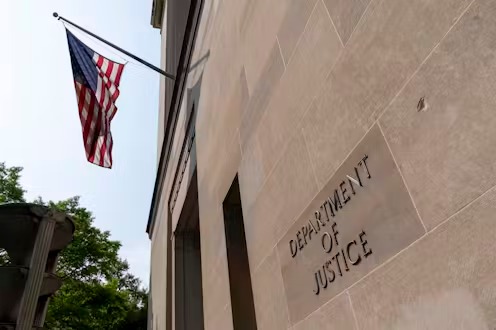
Mexico’s Sinaloa State Governor Ruben Rocha has strongly denied recent allegations from the U.S. Department of Justice linking him to the powerful Sinaloa Cartel, describing the claims as politically motivated and without merit. The controversy emerged after U.S. authorities announced charges against Rocha, along with several current and former officials, accusing them of involvement with the notorious criminal organization.
In a public statement shared on X (formerly Twitter), Rocha rejected the accusations and expressed confidence that the claims would ultimately be disproven. He emphasized that the legal action lacks credible evidence and is driven by political interests rather than facts. The governor also framed the charges as an attack on Mexico’s ruling Morena party, suggesting that the case could have broader political implications beyond the legal sphere.
The U.S. Justice Department has not disclosed full details of the evidence behind the charges, but the announcement has already sparked significant attention in both Mexico and the United States. The Sinaloa Cartel, one of the most powerful drug trafficking organizations in the world, has long been a focus of U.S. law enforcement efforts, making any alleged connections with public officials highly sensitive.
Rocha’s denial adds another layer to the ongoing tensions surrounding cross-border crime, political accountability, and U.S.-Mexico relations. Political analysts note that such allegations can influence public perception, particularly ahead of elections or during periods of heightened political rivalry.
As the situation develops, observers are closely watching for further details from both U.S. authorities and Mexican officials. Rocha has reiterated his willingness to cooperate with any legitimate investigation while maintaining that the accusations are unfounded. The outcome of this case could have lasting implications for political dynamics in Mexico and ongoing efforts to combat organized crime.