Nigeria’s employers’ association called for lower domestic production costs alongside the government’s proposed petrol relief, arguing that more reliable electricity and stronger manufacturing could improve jobs and household finances.
Adewale-Smatt Oyerinde, director-general of the Nigeria Employers’ Consultative Association (NECA), set out his proposals in separate interviews published Oct. 20 by BusinessDay and The Guardian. He cited expensive energy, unreliable electricity and regulatory hurdles as obstacles to business expansion.
In a statement posted Oct. 9, the State House said the government was negotiating a ₦1,350-per-liter ceiling on petrol’s ex-gantry or landing cost. Those terms concern the cost at the refinery gate or on import. The figure is not a nationwide price at the pump.
Refiners and importers would carry any cost above the proposed ceiling, the government said. They could recover the difference when crude prices or the exchange rate permit; no recovery date was given. Under a separate relief measure, the State House said NNPC Retail would begin selling petrol at cost within 30 days.
In The Guardian interview, Oyerinde supported temporary fuel relief without restoring the petrol subsidy Nigeria ended in 2023. He warned that cheaper petrol within Nigeria could encourage smuggling across borders.
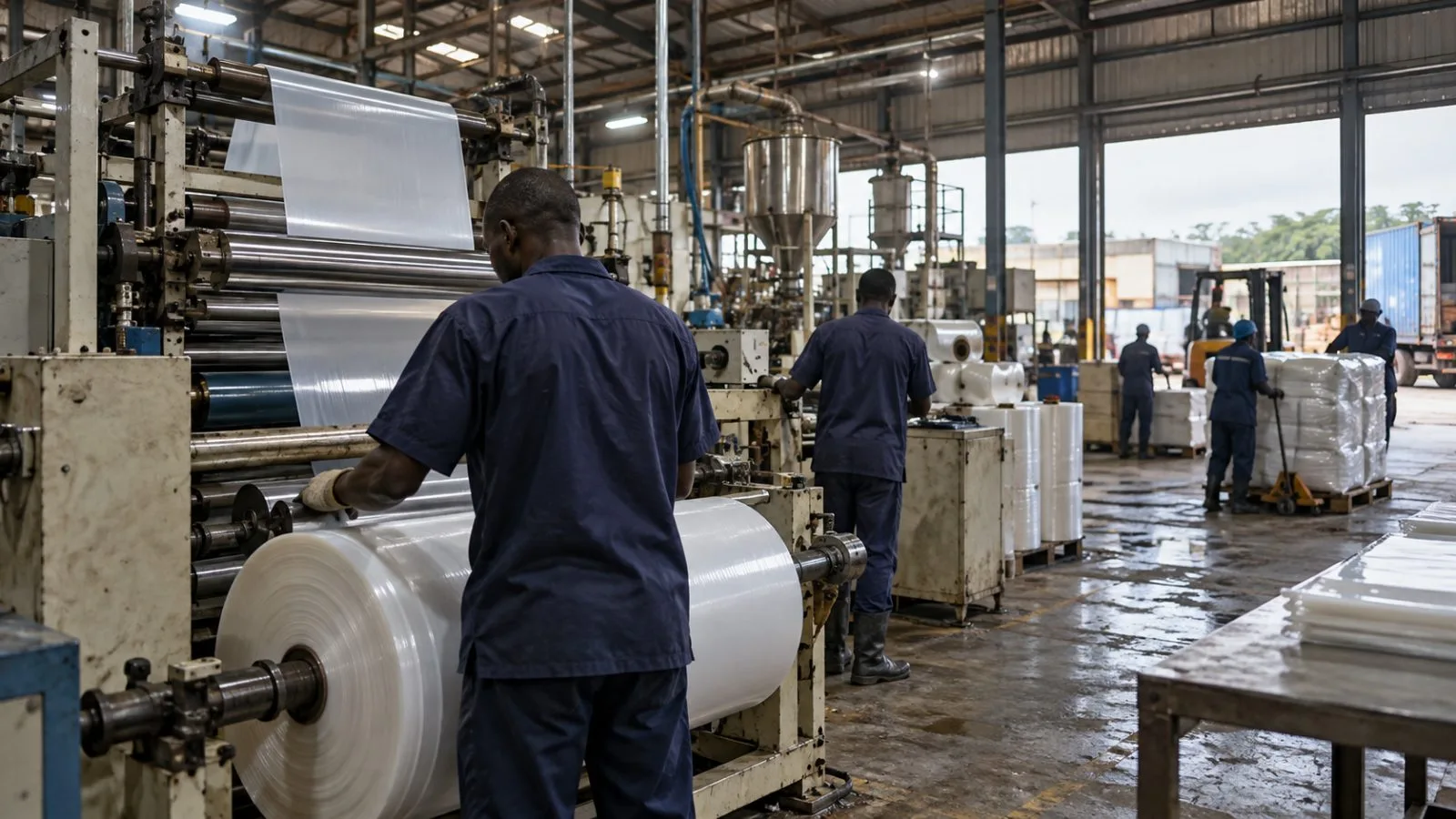
Oyerinde told BusinessDay that producing more goods locally could help companies expand, add jobs and reduce demand for foreign currency to pay for imports. He proposed exempting selected factory equipment and raw materials from import duties, with checks to ensure the concessions serve local production.
He also called for more public transport, vehicles powered by compressed natural gas or electricity, and domestic production of solar panels and batteries. Inflation could erode the value of higher wages, he told The Guardian, limiting what pay increases alone can do for workers.
Ahead of the 2027 election, Oyerinde urged candidates to explain how they would pursue single-digit inflation, expand production and address insecurity. The State House said it would review the proposed petrol cost ceiling monthly but gave no date for a first review.