Nigeria has ended overseas training sponsorship through the Tertiary Education Trust Fund (TETFund) after 80% of recipients did not return, prompting a shift toward local training, Education Minister Tunji Alausa said, BusinessDay reported Friday.
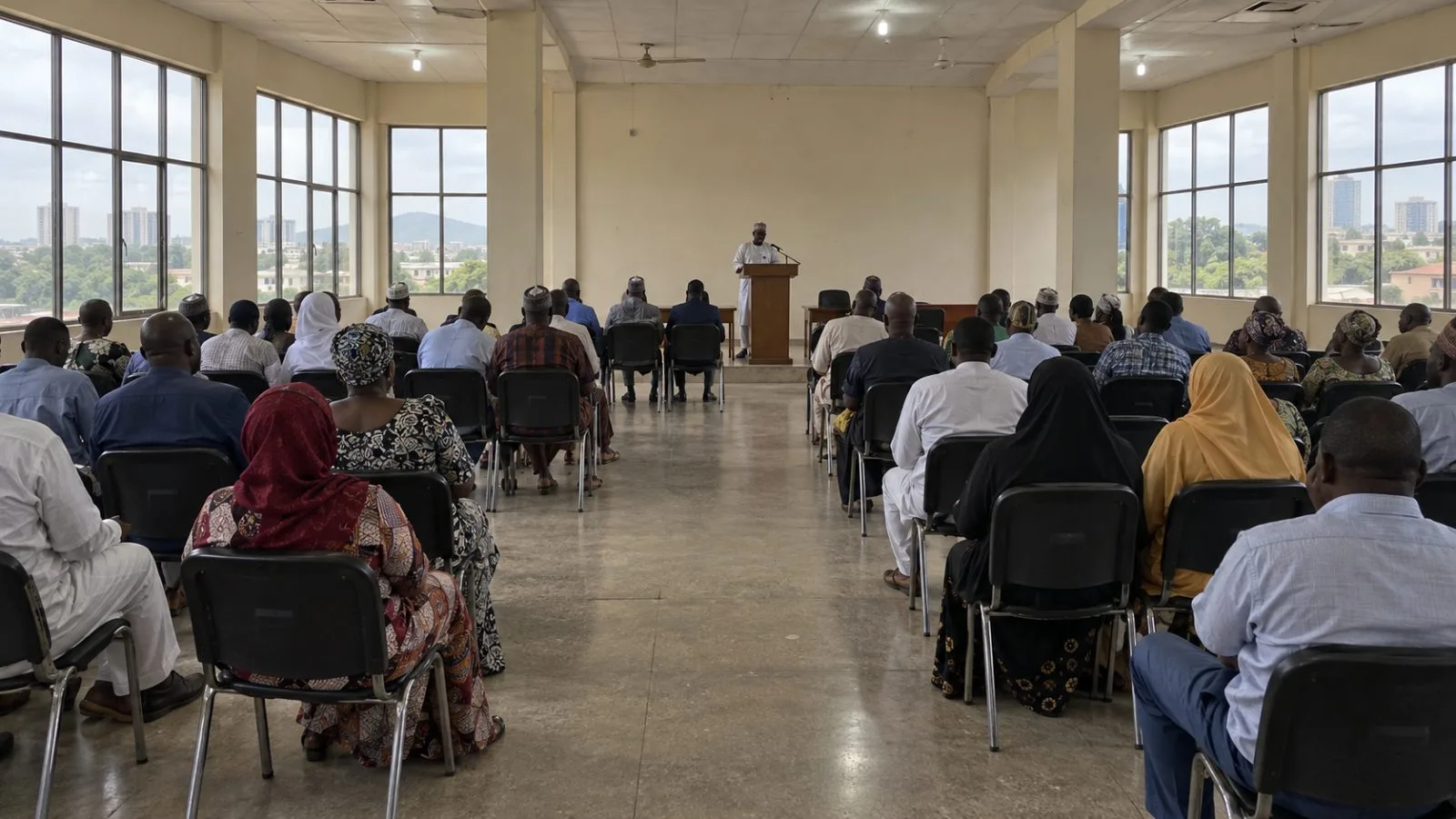
Alausa spoke Thursday at the opening of the RHV–ROBOMED Robotic Academy at Redeemer’s Health Village in Ogun State. He put TETFund’s spending on overseas instruction at N220 billion over 10 years and said the results fell short of the government’s goals for Nigerian education.
The fund has 28 Centres of Excellence across 23 public universities and five private institutions, Alausa said. The academy will bring that network to 29 locations. He said the local facilities are intended to widen access to advanced skills and reduce reliance on training abroad.
Eligible medical professionals who train at the academy will receive full funding through TETFund, the minister said. Ending the foreign sponsorship scheme marks a change in how the government seeks to build specialist capacity.
RHV Chief Executive Officer Adedamola Dada said the academy plans to train 400 specialists within two years. BusinessDay reported that the center has obtained two robotic systems worth about $4 million, one intended for surgery and the other for training. Dada said courses will serve surgeons, nurses, biomedical engineers and other health workers, supporting broader use of robotic-assisted surgery in Nigeria.
Dada also appealed for federal scholarships for postgraduate trainees in the program. Alausa said the government would support eligible participants through TETFund. The academy was established with contributions from Nigerian medical professionals based abroad, whom Alausa urged to share their expertise with institutions at home, BusinessDay reported.
Separately, Alausa said federal medical education infrastructure spending exceeded N250 billion over the past two years. He said the work includes simulation laboratories and rehabilitation of facilities at more than 24 medical schools.