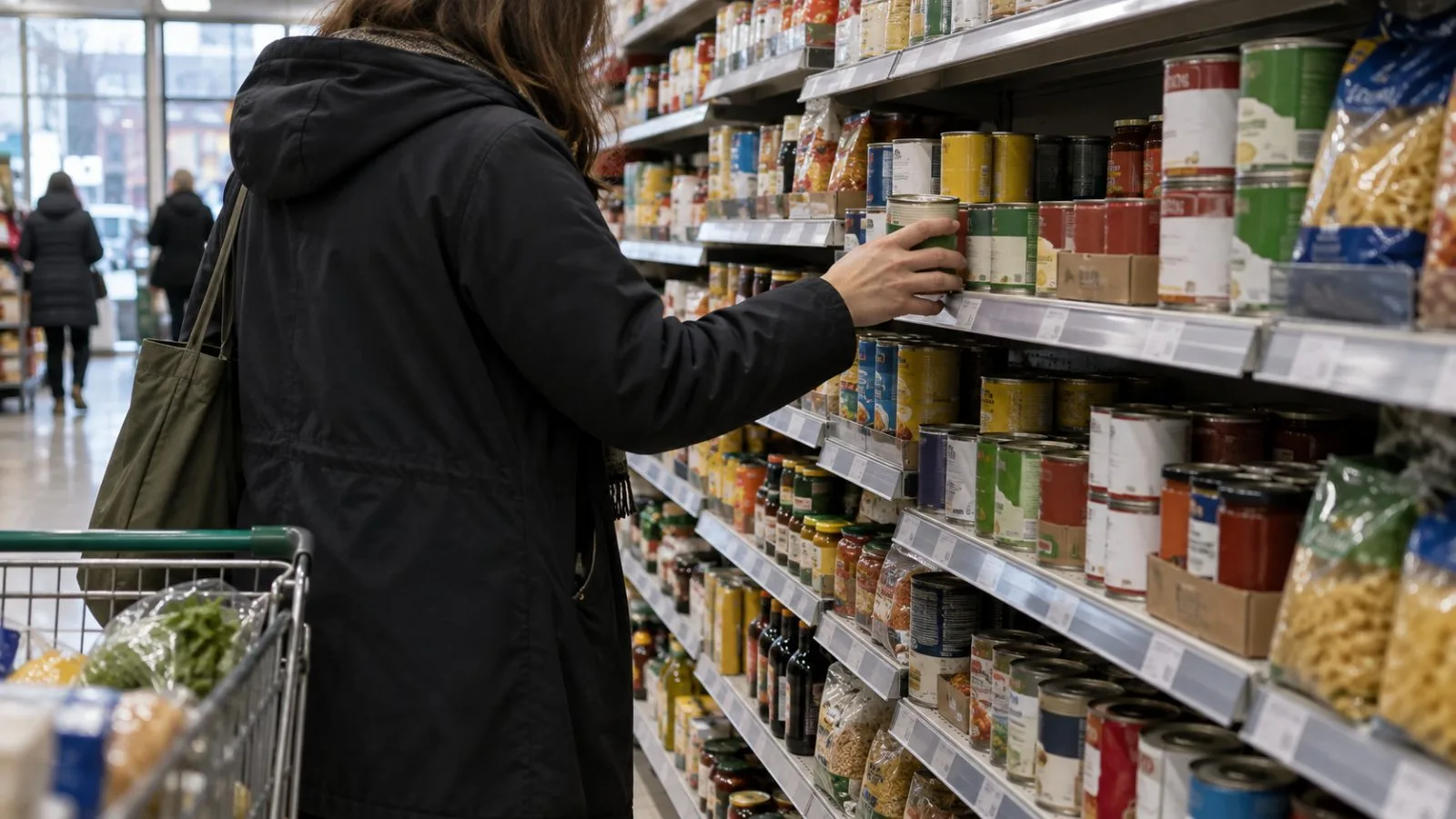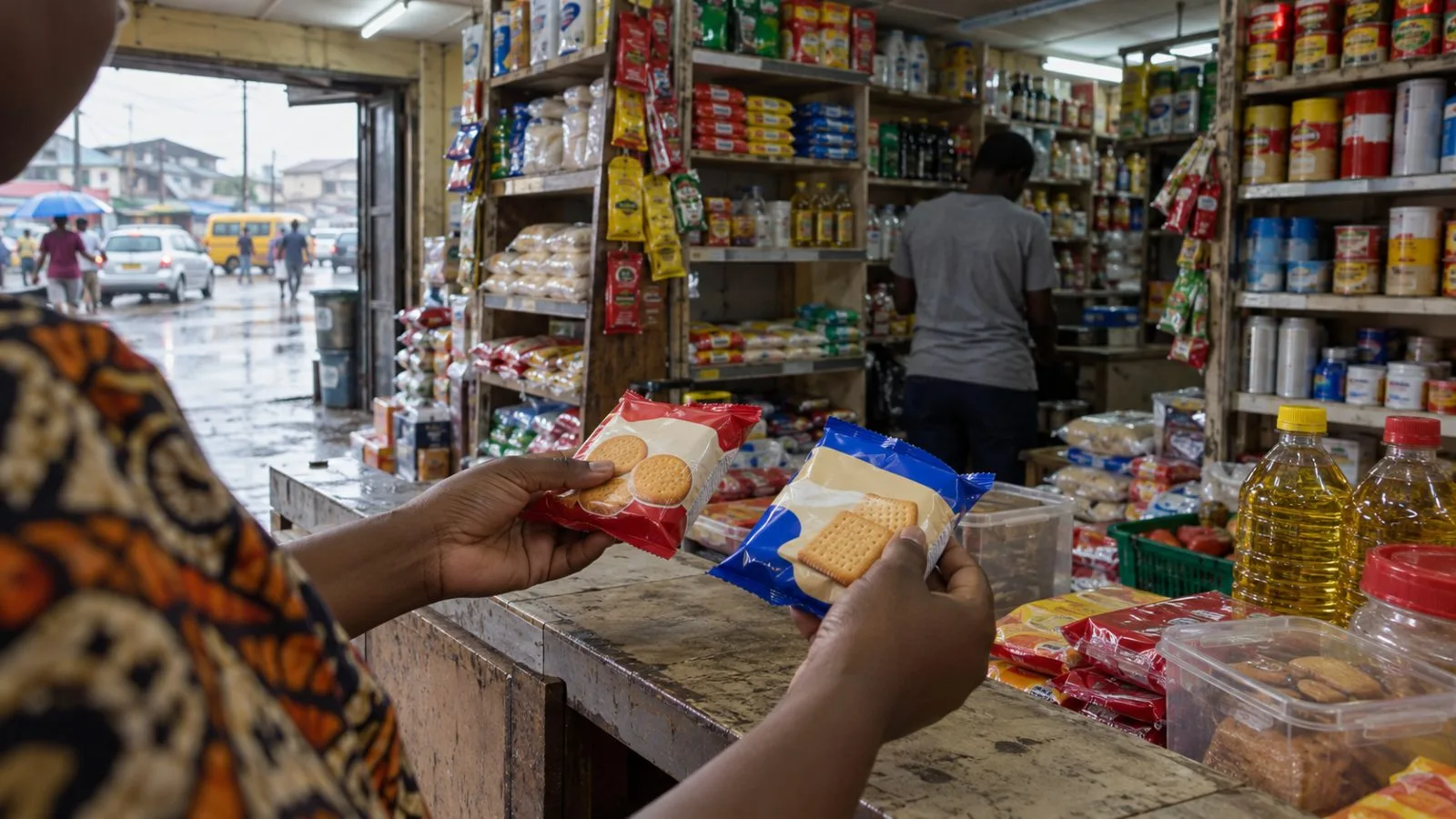
Nigeria’s fast-moving consumer goods (FMCG) market recorded 15% growth in sales value in 2026, even as 74% of surveyed consumers identified living costs as their biggest challenge, according to NielsenIQ (NIQ) data reported by BusinessDay.
The market’s value rose faster than the quantity sold: volume increased 4.8%, while transactions advanced 7.1%. BusinessDay reported that the gap between value and volume growth indicated prices also contributed substantially. Joyce Nwachukwu, NIQ’s commercial director for West Africa, said broader consumer participation supported the expansion.
Fuel-price concerns were reported by 58% of respondents, compared with 29% in 2025. NIQ data also showed that 39% felt financially better off than a year earlier, down from 41% in 2025; 36.1% said they were worse off, compared with 35.8%.
NIQ put mainstream brands at 62% of FMCG sales measured by value. Its figures showed brand switching at 49%, down from 68% in 2024. The company said brand trust, functionality, quality and convenience figured in purchase decisions alongside affordability.
Oluwatosin Onayemi, NIQ’s West Africa senior manager for retail measurement services, said households continued buying necessities but were more cautious with discretionary items. Onayemi said products with affordable prices, easy access and new features were gaining ground. Biscuits recorded 49.6% growth in value.
Onayemi said about 31% of Nigerians shopped online, with Gen Z leading uptake. At the conference, Pan-Atlantic University’s deputy vice chancellor (academic), Uchenna Uzo, cited a roughly 450% increase in fuel prices and a decline of more than 25% in consumer purchasing power over three years. He said about 70% of informal business owners relied on borrowing, describing the dependence as a source of resilience as well as vulnerability. Uzo called on companies to revise established growth models and strengthen coordination with partners across the value chain.