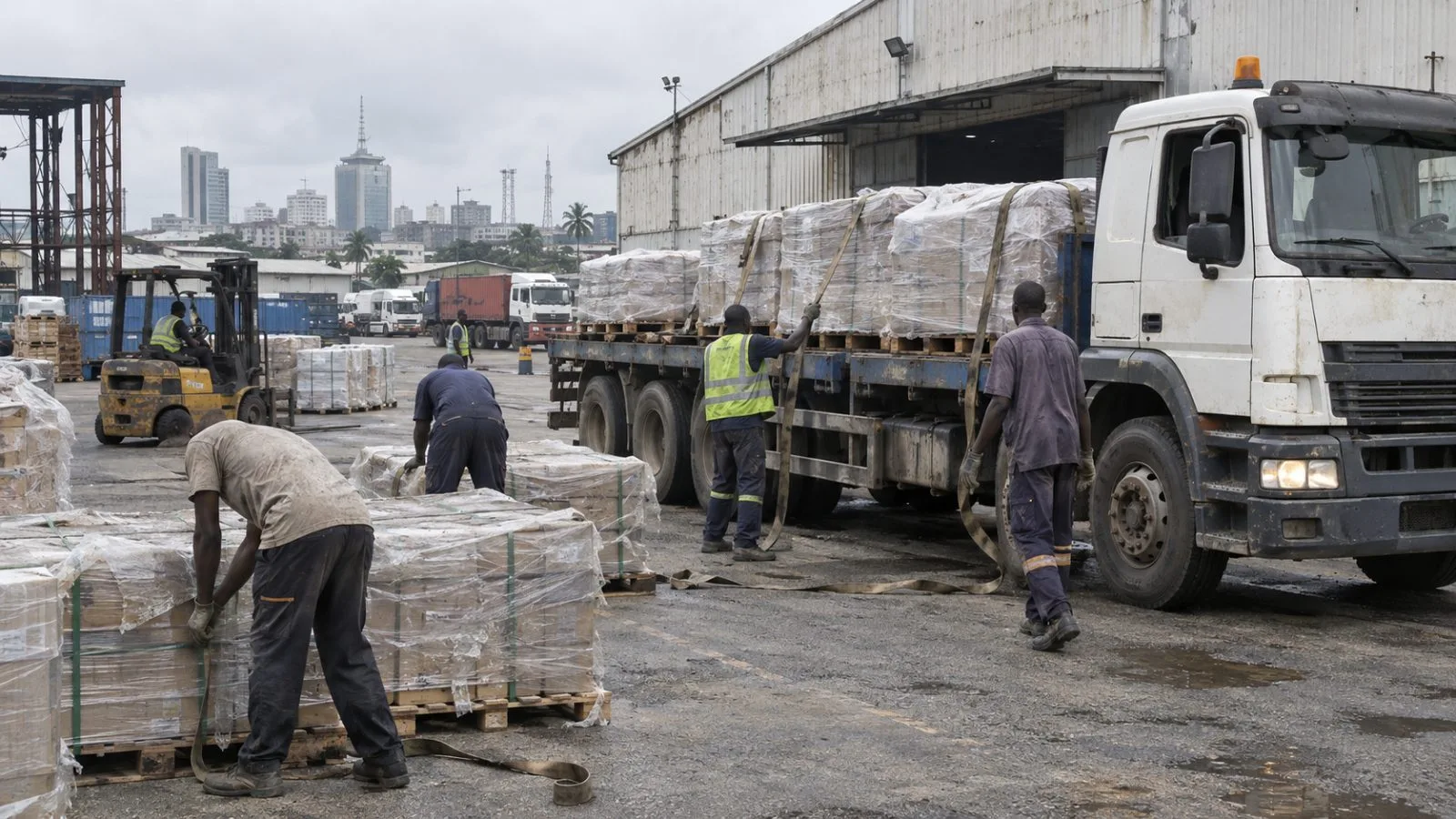
Nigerian haulage stakeholders urged shippers and transporters to coordinate cargo and adopt digital freight tools, saying empty returns and loading delays raise costs and leave truck capacity unused.
At HAULMACE 2026 in Lagos, speakers pointed to gaps in cargo information and return-load planning. Independent Newspapers and BusinessDay reported that they discussed freight matching, shared forecasts and fleet-management tools as ways to improve truck use.
BusinessDay reported that Lori Systems co-founder and CEO Jean-Claude Homawoo illustrated the problem with a 30-tonne truck traveling from Lagos to Kano. After unloading, it could wait two to four days for a southbound load or return empty. If it returned empty, the operator would incur fuel and operating costs without revenue from that leg.
Homawoo described empty mileage as a shared burden, saying, “The empty mile is a shared cost. So is the solution.” Independent Newspapers quoted him at the conference.
Lori Systems says its platform matches cargo owners’ orders with vetted transporters, provides shipment updates and releases payment after electronic confirmation of delivery. Those are the company’s descriptions of its services.
Homawoo and HAULMACE convener Alfred Okugbeni said poor coordination among cargo owners, manufacturers and transporters limits the value of technology, BusinessDay reported. Speakers presented better information sharing and joint load planning as necessary alongside digital tools.
Homawoo urged banks and insurers to consider transport contracts and digital proof of delivery when assessing financing for smaller operators, BusinessDay reported. He also said empty-trip expenses can be reflected in delivery charges and passed on to businesses and consumers, Leadership reported. Okugbeni said collaboration could help turn technology investments into lower costs, clearer supply-chain information and stronger industry competitiveness, BusinessDay reported.