Nigeria’s Federal Ministry of Health and Social Welfare identified 44 contacts for monitoring after an Ebola case in Abuja, while officials strengthened infection controls at the facility that treated the patient.
The ministry’s count was current as of Oct. 20 and refers to possible exposures, not additional diagnoses. The World Health Organization (WHO) identified the illness as Bundibugyo virus disease. The patient is receiving care in isolation.
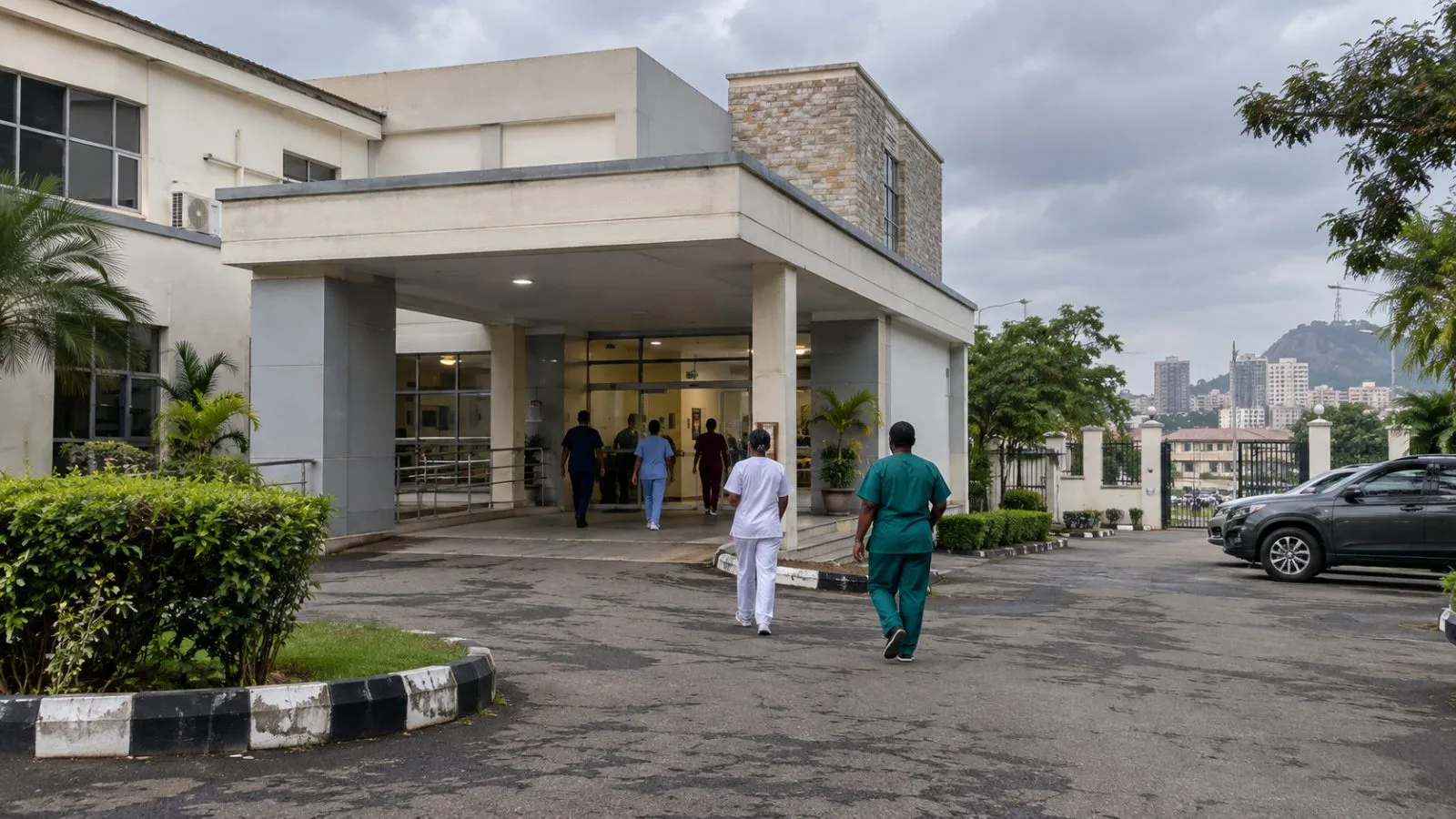
The woman arrived on a flight from Uganda, developed symptoms Oct. 7, sought care at a private Abuja facility Oct. 11 and received a positive laboratory result Oct. 20. Investigators are checking where she traveled and how she may have been exposed.
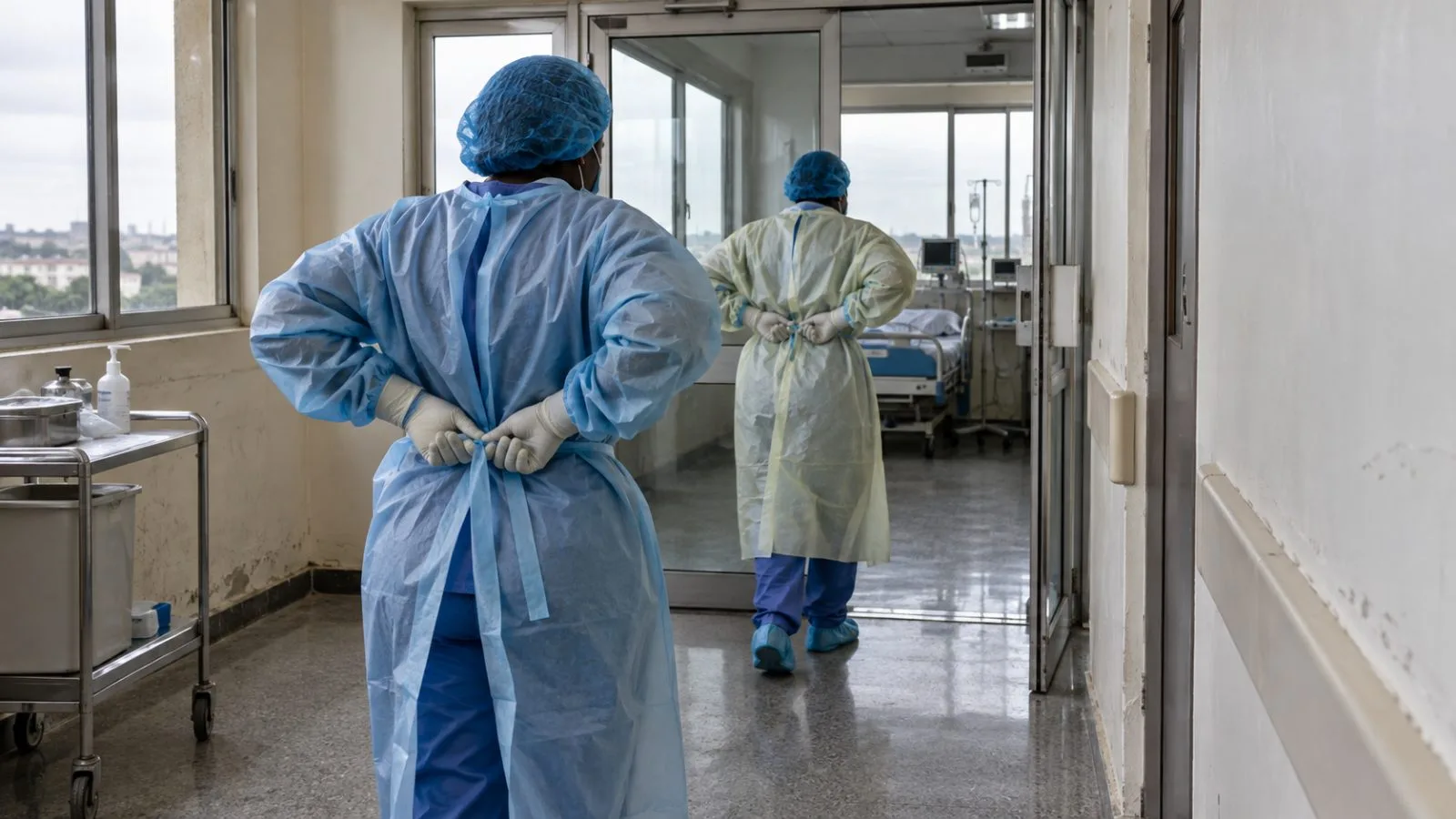
The ministry’s contact-tracing response includes health workers, caregivers, other patients and people connected to her travel. The Nigeria Centre for Disease Control and Prevention (NCDC) activated its incident management system. WHO said infection controls were being strengthened at the facility that treated her.
Ebola can spread through direct contact with blood or other bodily fluids from a person who is ill or has died, or through objects contaminated by those fluids. That makes close care a potential source of exposure for health workers and caregivers. People do not transmit the disease before symptoms begin, and the U.S. Centers for Disease Control and Prevention (CDC) says it does not spread through the air like influenza.
Symptoms can appear two to 21 days after infection; WHO recommends monitoring exposed contacts for 21 days. Fever, fatigue, headache, muscle pain or a sore throat can appear early. Vomiting and diarrhea may follow; bleeding is less common. Because early symptoms can resemble malaria or typhoid fever, laboratory testing is needed to confirm Ebola. WHO says prompt supportive treatment, including fluids to address dehydration, can improve survival.
No vaccine is approved specifically for Bundibugyo virus disease. Ervebo is licensed, but its protection against Bundibugyo has not been established; WHO recommends its use for this virus only within research studies.
NCDC still lists 6232 as its hotline. In guidance issued Sept. 19, 2025, before this case, the agency told people with symptoms after travel to affected countries to call that number or a state health hotline. It separately listed 6232 for reporting suspected cases.
Nigeria’s 2014 Ebola outbreak involved 20 confirmed or probable cases and eight deaths, according to the CDC. Officials are continuing to monitor contacts and investigate the patient’s possible exposures. WHO has advised against travel or trade restrictions on affected countries.