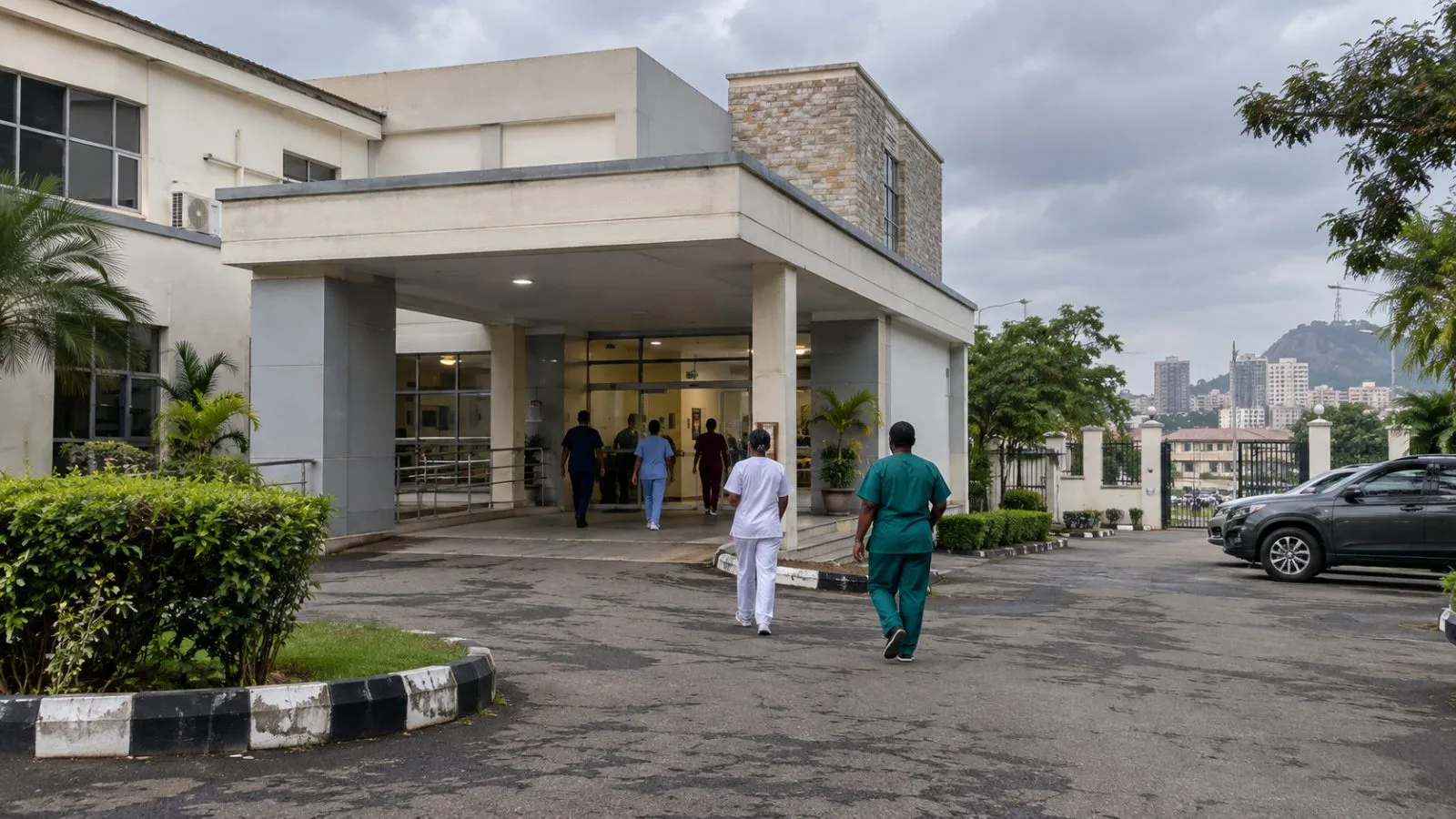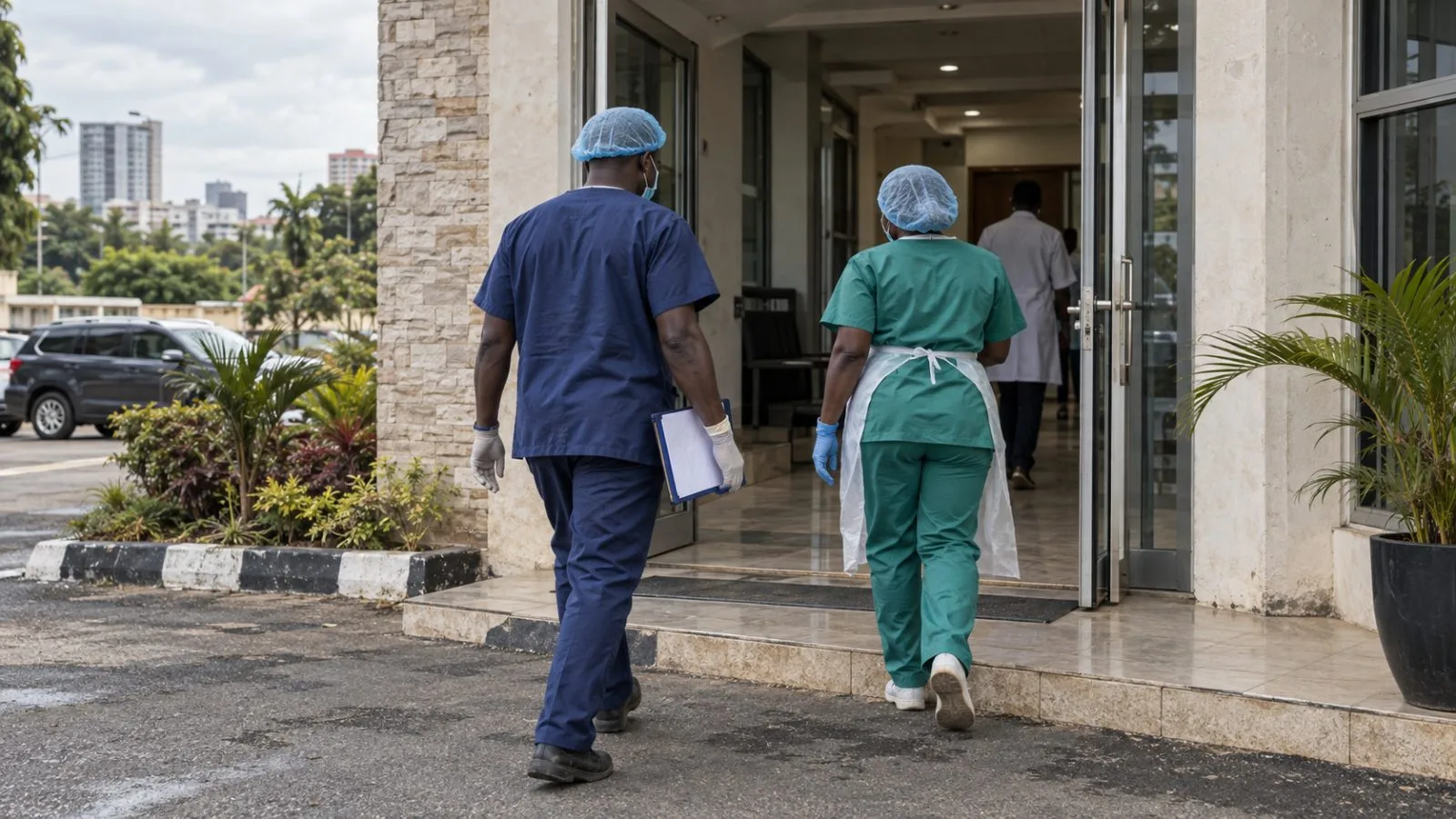
Jide Idris, director-general of Nigeria’s Centre for Disease Control and Prevention (NCDC), said authorities had identified 53 primary contacts in the country’s Bundibugyo virus disease case, Premium Times reported.
The outlet said 44 people were connected to the facility where the patient received care. It described the other nine as three members of the sample-collection team, three household contacts and three people who cared for her at Julius Berger Clinic.
The Federal Government’s Oct. 20 statement said 44 close contacts had been identified. WHO’s Oct. 23 update also gave a count of 44, specifying that those people had been identified and monitored as of Oct. 20. The government said the tracing group included health workers, patients, caregivers and travel contacts. Nigeria had earlier identified 44 contacts after confirming the Abuja case.
WHO said the patient developed symptoms Oct. 7, four days after arriving in Nigeria. She sought care at a private health facility in Abuja on Oct. 11 and tested positive on Oct. 20. WHO said she was in isolation and receiving care.
WHO guidance says Bundibugyo virus disease can spread when someone comes into direct contact with an infected person’s bodily fluids or materials contaminated by them. The agency says infected people are not contagious before symptoms begin, and symptoms can develop two to 21 days after exposure.