BusinessDay reported Nov. 13 that Nigeria's Bank of Agriculture (BoA) and the Special Agro-Industrial Processing Zones (SAPZ) programme plan a $3 million Kano greenhouse pilot to ease farmers' start-up costs. The deal was signed in Antalya, Turkey, during COP31, BusinessDay reported.
BusinessDay identifies Direkçi Group as a Turkish firm in agricultural technology and investment; it is to commit $1.5 million and manufacture and install the greenhouses. BoA would provide a matching $1.5 million credit facility for participating farmers. BusinessDay said the financing is intended to reduce the amount farmers must pay upfront to adopt greenhouse production, while leaving them responsible for repaying the loans.
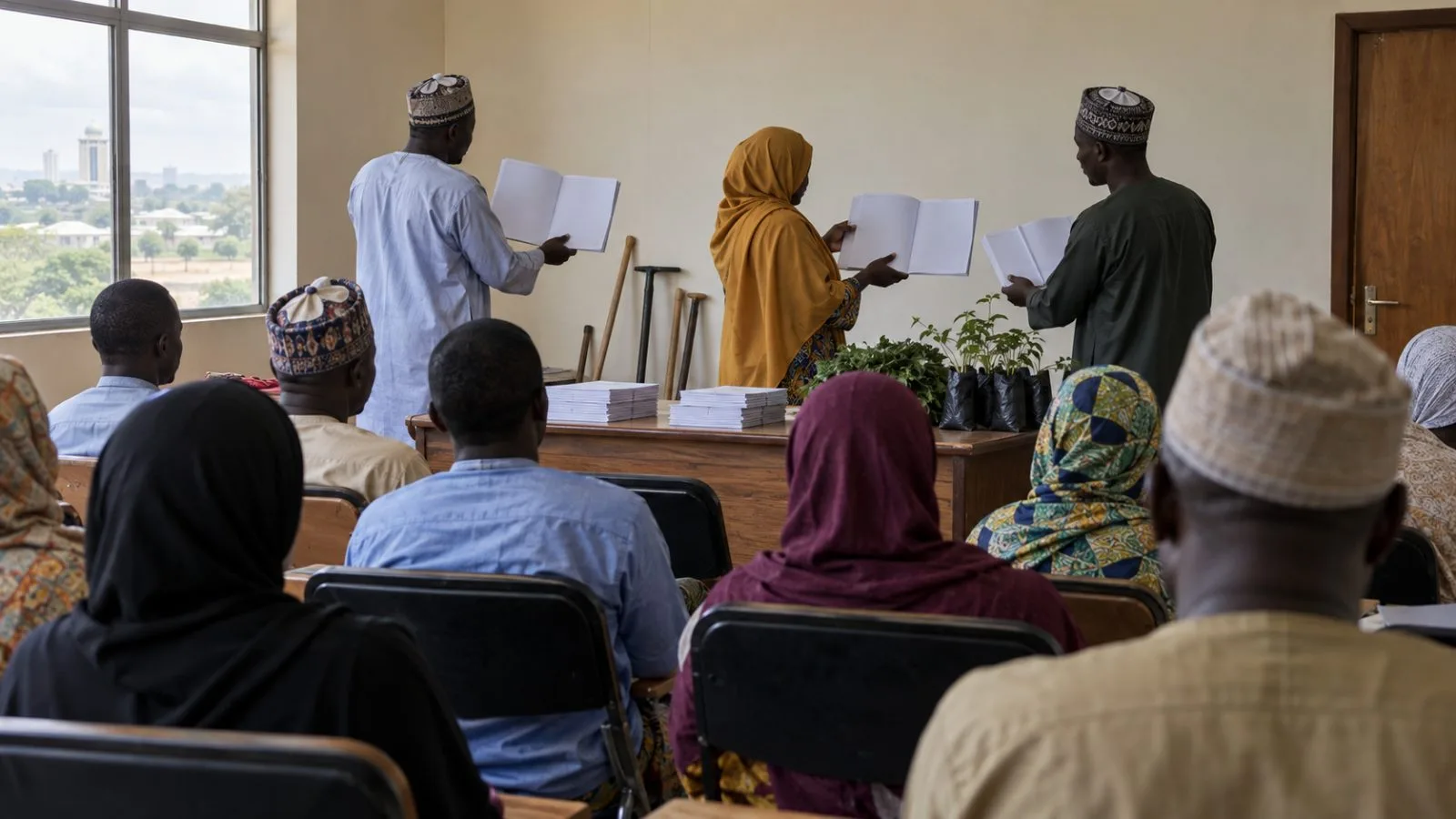
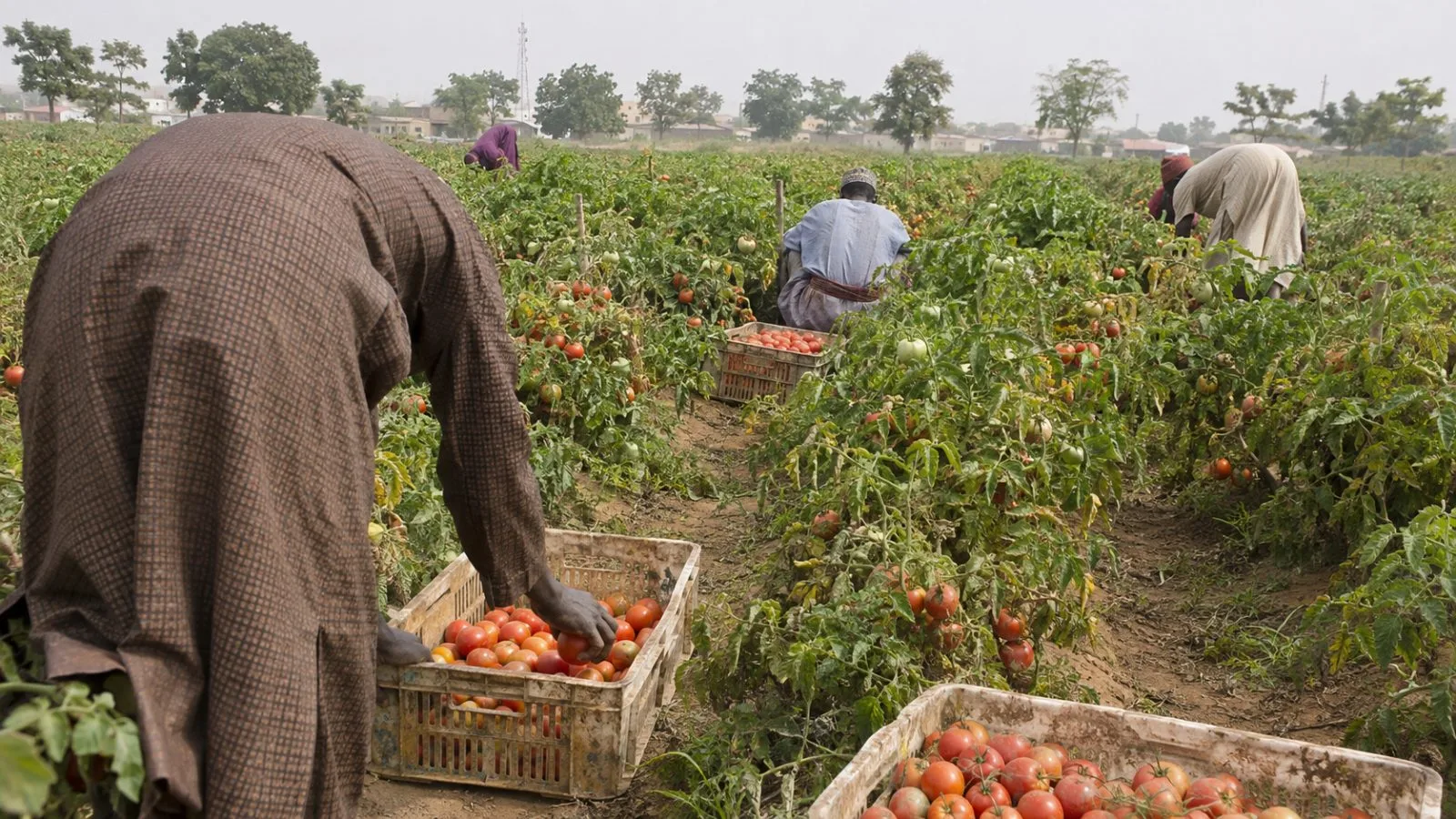
Each greenhouse is planned to cover about 240 square meters. Direkçi Group is also to train farmers and help connect them with buyers. BoA would oversee the loans over 36 months, with an initial four-month pause before repayments begin, BusinessDay reported. The pilot is to focus on tomatoes and peppers.
SAPZ is to supply land, basic infrastructure, seeds and seedlings, mobilize farmers and coordinate a nationwide expansion. The programme prioritizes women and smallholder farmers, BusinessDay reported.
An off-take arrangement is intended to link participating growers with tomato processors and other industrial buyers. The parties would set terms for produce quality, price and delivery. The report says the arrangement is designed to give farmers more predictable sales and processors a steadier supply of raw materials.
For a later nationwide rollout, SAPZ plans to target 10,000 farmers and 10,000 greenhouse units, with total investment estimated at $33 million. Government institutions are expected to contribute land, infrastructure and coordination, while private-sector partners would bring investment, technology, financing and market access.
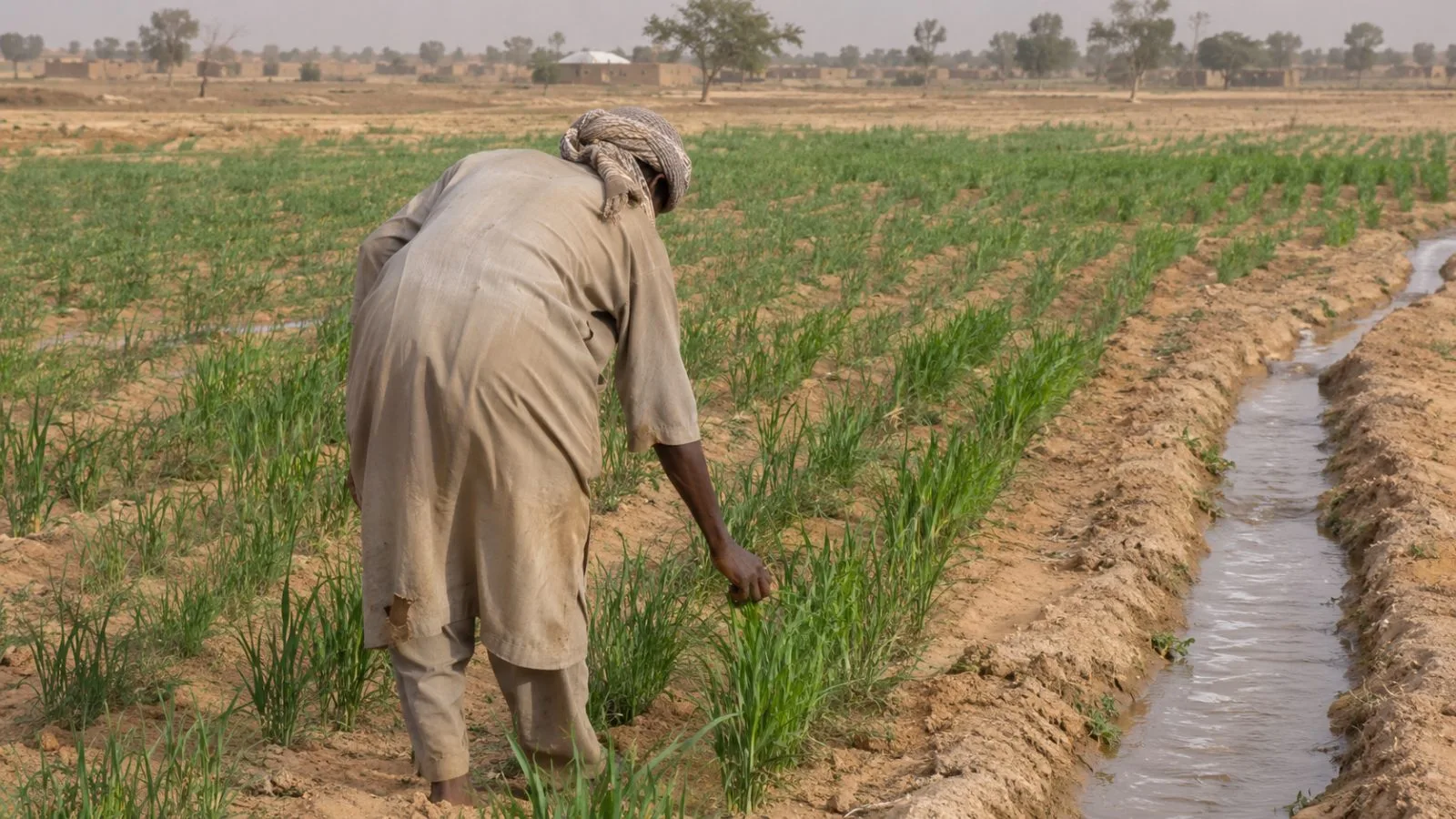
BusinessDay links the project to weather disruptions that can upset planting and reduce farm income, including floods, drought, temperature extremes and erratic rainfall. Greenhouses could give farmers greater control over heat and water, reducing exposure to some weather risks, the report said. The project’s viability will also depend on whether farmers can maintain the facilities and repay their loans, and whether buyers offer commercially workable prices.
BoA has also been reported to target 400,000 farmers for 2026 dry-season financing, a plan covered earlier by EconoTimes.