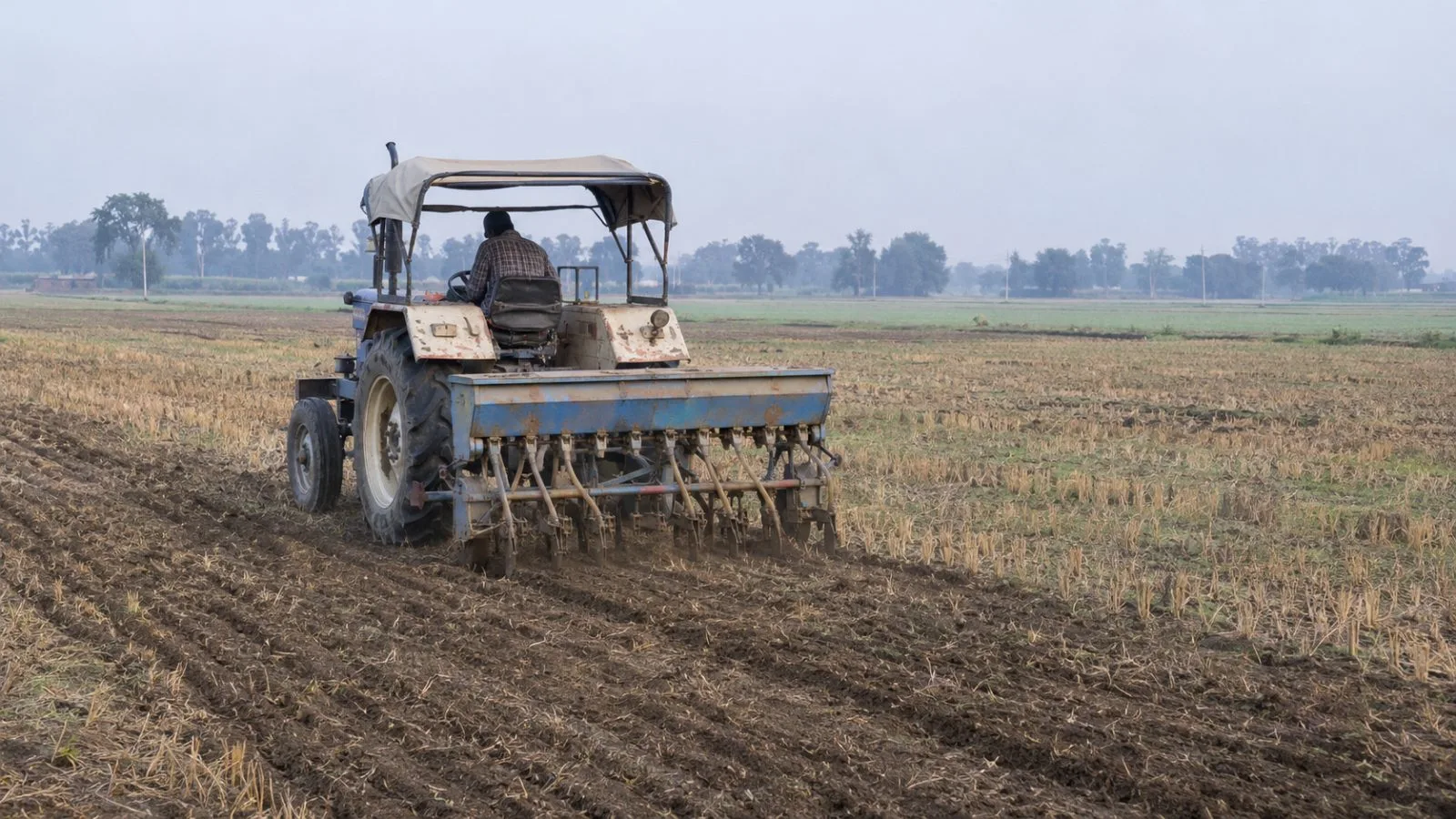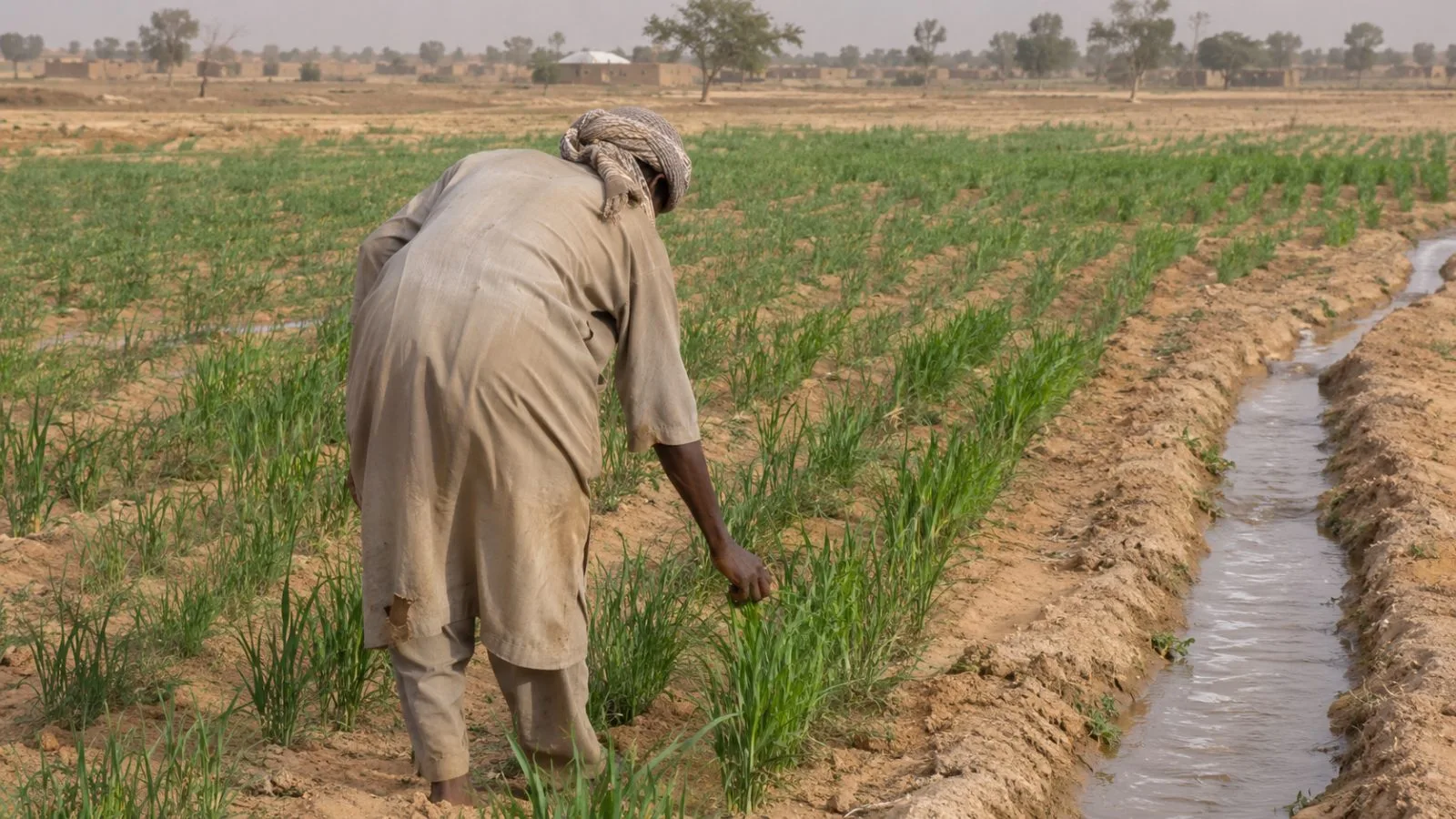
Nigeria’s Bank of Agriculture is seeking to expand financing access to 400,000 farmers for the 2026 dry season, as forecasts point to a wide gap between domestic wheat output and demand.
In an Oct. 2 statement, BOA said it had partnered with the All-Farmers Association of Nigeria (AFAN) to reach the farmers. AFAN will help identify farmers and Farmer Aggregation Companies, which would coordinate approved inputs and act as obligors. BOA said applications would undergo verification and credit assessment before it approves participation. The statement did not give a budget for the plan.
At a later wheat-program launch in Jigawa, BOA North-West Zonal Manager Abdul-Razaq Datti Saleh was reported by Voice of Nigeria, Radio Nigeria Kaduna and BusinessDay as saying the bank had earmarked about ₦200 billion for dry-season farming and was targeting 400,000 farmers nationwide for the 2026/2027 program. The reports do not establish whether that amount applies to the wheat initiative, the AFAN partnership or both.
Voice of Nigeria reported that Flour Mills of Nigeria (FMN) was supporting 10,000 farmers across six states. A company statement carried by PUNCH described a target of 10,000 hectares across about 13 states. The figures cover different measures and geographic scopes, and the reports do not reconcile them.
For farmers in FMN’s reported wheat scheme, Voice of Nigeria and Radio Nigeria Kaduna described input support worth ₦250,000 to ₦350,000 per hectare, with repayment in harvested wheat valued at the market price prevailing then. The reports did not give loan terms for the full 400,000-farmer target.
The U.S. Department of Agriculture’s Foreign Agricultural Service (USDA-FAS) forecasts Nigerian production of 140,000 metric tons of wheat, imports of 7.2 million metric tons and consumption of 6.8 million metric tons for the marketing year running from July 2026 to June 2027. These are projections, not final results.
In a different Sept. 8 announcement, BOA described a ₦200 billion Guaranteed Minimum Price program to support grain aggregation and protect farmer incomes, projecting it would reach more than 500,000 farmers. That statement did not connect the program’s funding to the AFAN partnership or the amount reported at the wheat-program launch.