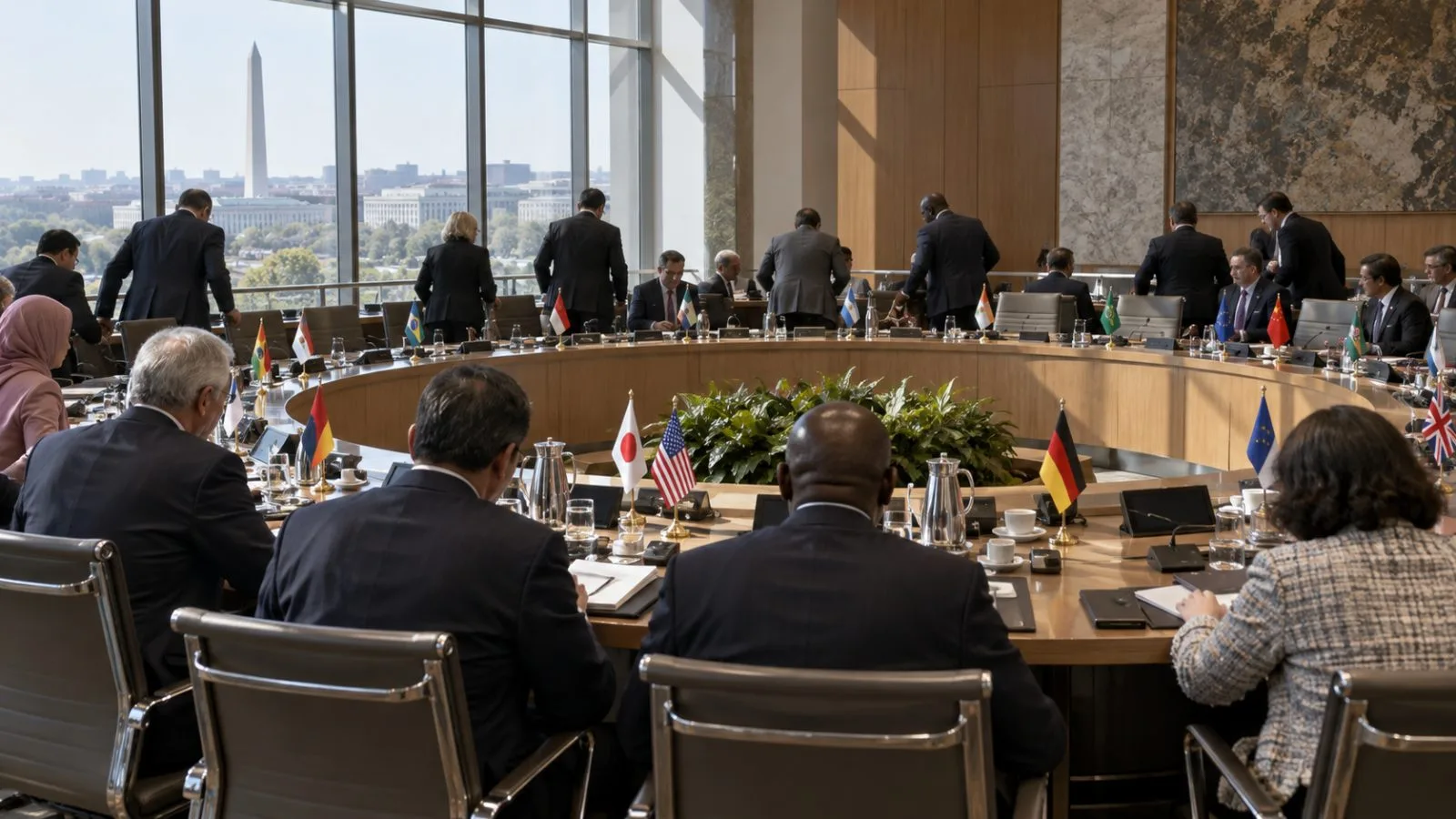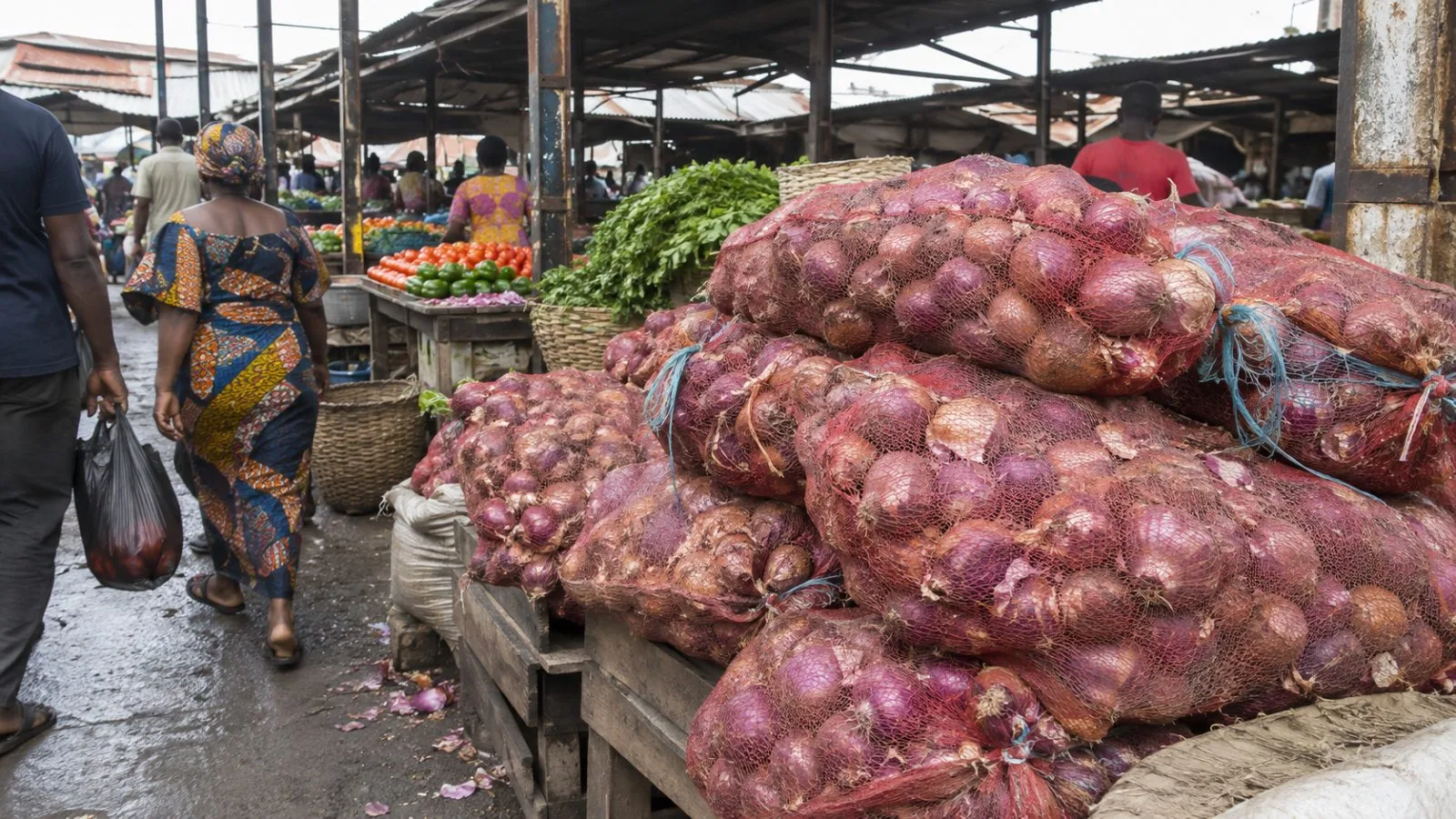
Nigeria drew $23.22 billion in foreign capital in 2025, but portfolio funds supplied 85%, a concentration that could expose the country to the volatile flows the IMF wants it to reduce.
Nigeria’s National Bureau of Statistics (NBS) recorded $19.74 billion in foreign portfolio investment (FPI) and $923 million in foreign direct investment (FDI). FPI had been $8.38 billion in 2024, while FDI rose from $675 million. FDI still accounted for less than 4% of the 2025 total.
The concentration was greater in the first quarter of 2026. FPI totaled $9.86 billion, or 95.1% of $10.37 billion in capital imports. FDI was $135.08 million, or 1.3%, NBS data show.
The mix has implications for Nigeria’s external stability. The International Monetary Fund (IMF) said nonresident investors’ participation in short-term naira open-market operations run by the Central Bank of Nigeria (CBN) helped support a $5.6 billion increase in CBN-defined gross reserves, which reached $45.8 billion at the end of 2025. The Fund also cited a current-account surplus and a Eurobond issuance. Under the IMF’s own definition, reserves were $8 billion below the CBN-defined figure.
Dr. Prisca Ndu, in a Nov. 13 column for BusinessDay, said money-market yields and foreign-exchange reforms had helped attract portfolio investors. She identified security concerns, infrastructure gaps, regulation, policy uncertainty and high operating costs as barriers to attracting investment for longer periods.
The IMF has separately warned that a prolonged global shock could widen sovereign spreads and prompt portfolio outflows, a risk outlined in EconoTimes’ earlier report on Nigeria’s portfolio exposure. The Fund has called for business-environment reforms to attract stable direct investment and reduce reliance on portfolio flows.