Nigeria’s proposal to require at least 30% local value addition to raw materials before export awaits presidential assent as African officials press for more manufacturing around the continent’s mineral wealth.
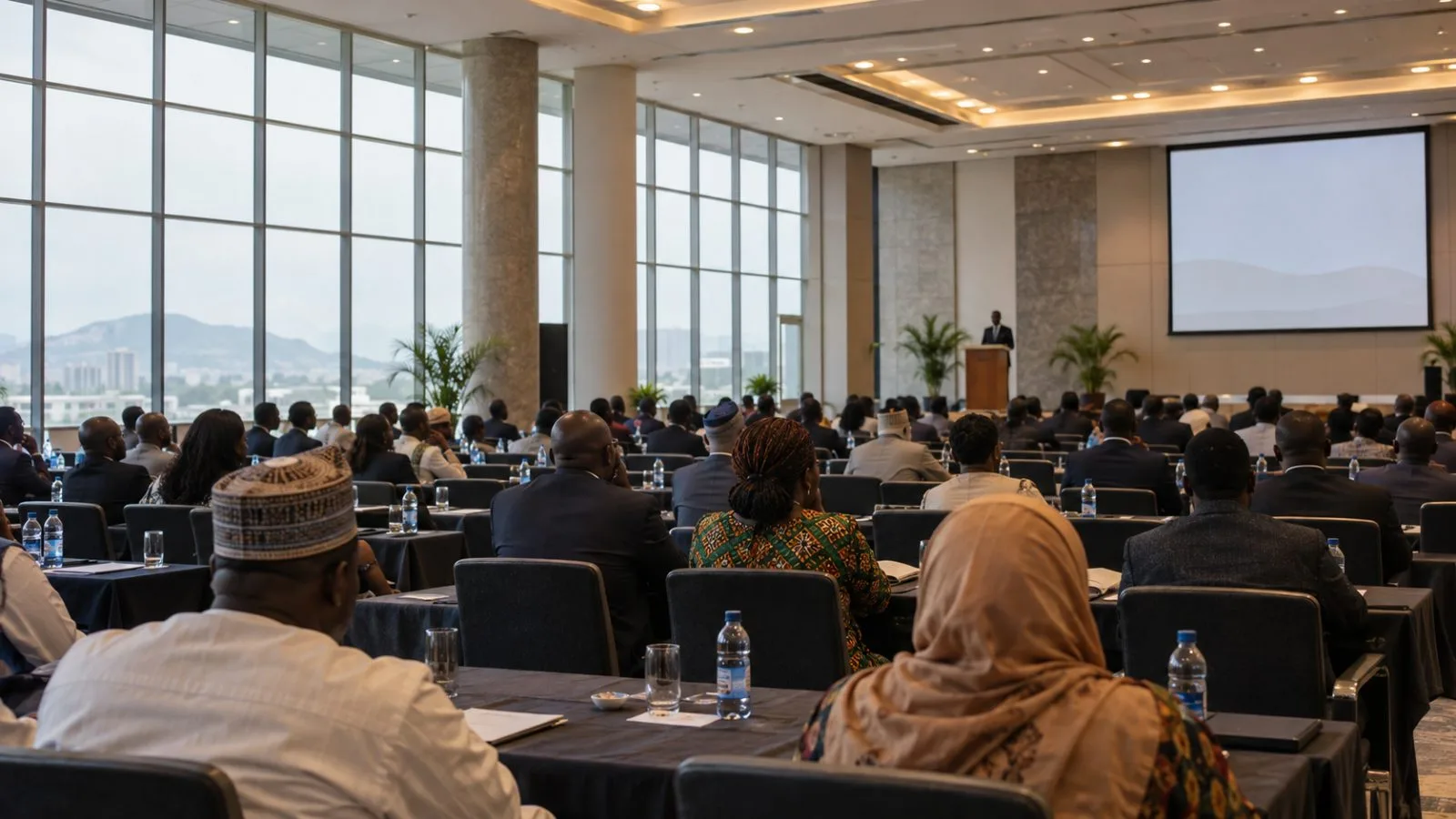
The policy debate featured at the second Africa Raw Materials Summit in Abuja on Oct. 19-20, where officials urged investment in processing and manufacturing. Nigeria’s Minister of Innovation, Science and Technology, Kingsley Tochukwu Udeh, called for stronger links among researchers, manufacturers and investors, the Federal Ministry of Information and National Orientation said.
The figures framing that ambition describe mineral resources, not returns from processing them. Africa Finance Corporation (AFC) estimates Africa’s minerals have a gross mine-site value of $29.5 trillion, including $8.6 trillion in undeveloped resources. Its 2026 study values the minerals before processing, transport, taxes, royalties and operating costs. The $8.6 trillion figure is not an estimate of revenue from restricting raw-material exports.
The proposed amendment to the Raw Materials Research and Development Council (RMRDC) Act sets a minimum of 30% local value addition for Nigerian raw materials before export. RMRDC says the amendment awaits presidential assent. The requirement has not taken effect.
“Let us convert African feedstock into African factory output,” RMRDC Director-General Nnanyelugo Martin Ike-Muonso said at a pre-summit briefing. The council presents manufacturing and jobs as goals of the proposal. Udeh also urged a shift away from reliance on imported finished goods.
AFC identifies incomplete geological information as a barrier to investment in exploration. It says electricity costs, transport links and access to regional customers also affect whether processing can be commercially viable. Those constraints extend beyond the terms of Nigeria’s proposed export rule.
A separate World Bank scenario assumes deeper implementation of the African Continental Free Trade Area alongside investment and regulatory reforms. Under those conditions, Africa’s real income in 2035 would be $571 billion, or 9%, higher than in a baseline without the agreement. That projection concerns regional trade reforms, not the expected effect of Nigeria’s bill.
Presidential assent is the next stated step for the amendment. RMRDC has not announced an assent date.