Nigeria’s next growth test is whether reforms can be converted into bankable projects in power, manufacturing and other productive sectors, according to a BusinessDay opinion by Miguel Ugochukwu Peters, CEO of the African Circular Business Alliance.
Peters argues that investors, companies and policymakers need to coordinate around projects with predictable rules, clearly assigned risks and financing that matches construction and operating periods. His proposals are recommendations in the opinion article, not announced government programs.
President Bola Tinubu announced fuel-subsidy removal and an end to the preferential foreign-exchange system in 2023. In an Aug. 8, 2023, address, he said, “My first action was the removal of fuel subsidy that was pushing the country off fiscal balance.” In June 2025, Tinubu described the foreign-exchange measure as unifying Nigeria’s exchange-rate system. In his Aug. 8, 2023, address, he said fuel-subsidy removal addressed pressure on the fiscal balance and that ending the preferential foreign-exchange system would stop what he called the misapplication of the country’s wealth.
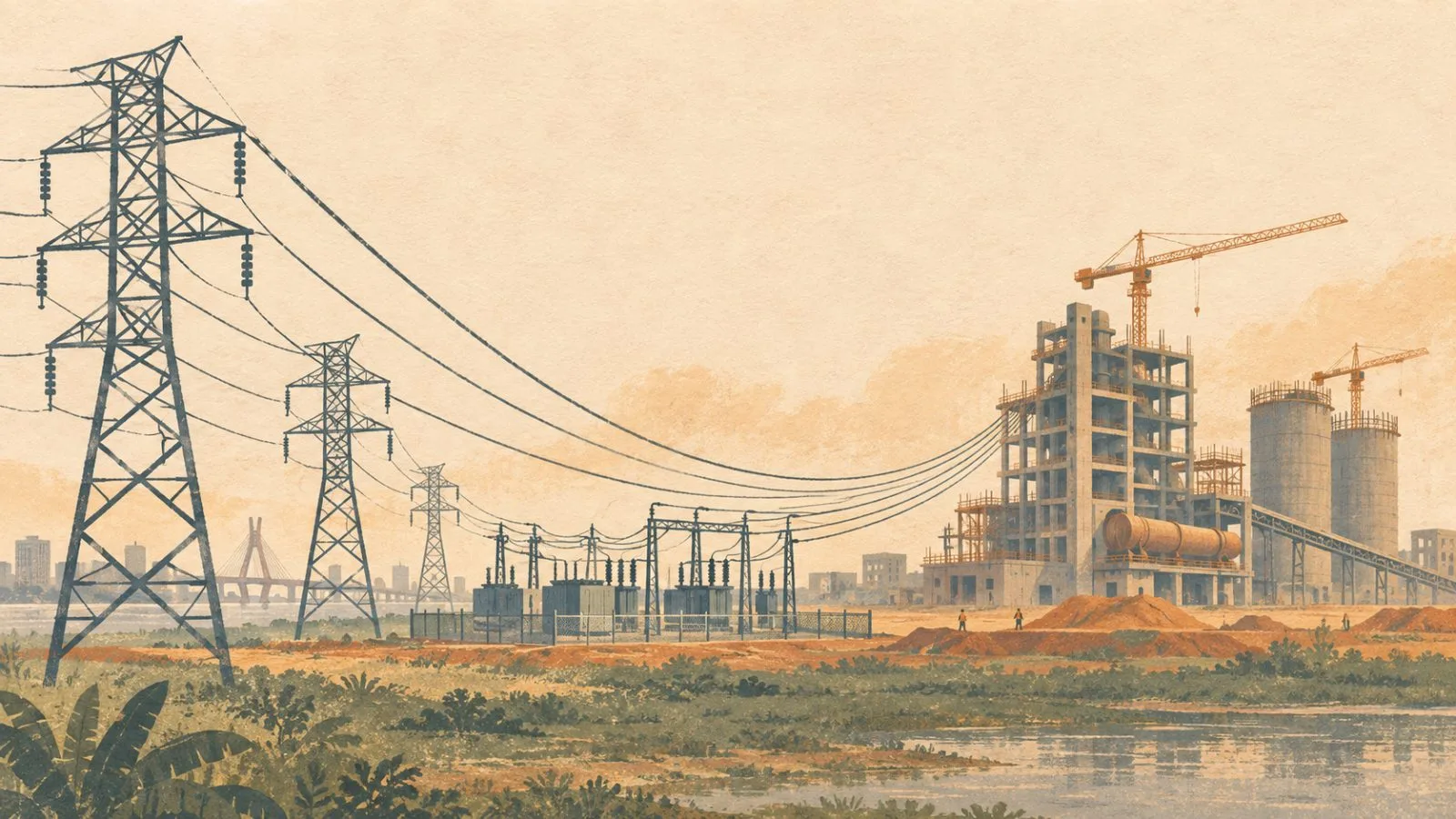
The Electricity Act 2023 created rules for generation, transmission, distribution, supply, trading and regulation, with the stated goal of supporting a “privatised, contract and rule-based competitive electricity market.” The Nigerian Electricity Regulatory Commission, or NERC, says states may establish and oversee their own electricity markets, while the federal regulator retains authority over interstate, national-grid and international activities. Peters presents that decentralization as an early test of whether policy changes can attract capital.
The Bureau of Public Enterprises says Nigeria’s cement-sector reforms paired privatization and market liberalization with a backward-integration policy. That requirement pushed investors to develop domestic limestone and other raw materials, helping the industry move away from import dependence toward local production and regional trade, the agency says.
Peters writes that pension funds, insurers, banks and development-finance institutions control long-term capital, while infrastructure developers often lack funding matched to project lives. He recommends better project preparation, guarantees, blended finance and local-currency instruments to narrow that gap.
A UNICEF Innocenti report says the African Continental Free Trade Area includes 54 participating African countries and a population of 1.3 billion. Peters links that market to investment in circular-economy industries, which he identifies as a possible next phase of Nigeria’s industrial strategy. Whether that approach advances will depend on how financing, regulation and industrial execution develop alongside power-market and manufacturing reforms.