An Internet Society study put 2020 savings for peering networks using Nigeria’s Internet Exchange Point of Nigeria (IXPN) above $40 million a year; MainOne founder Funke Opeke urged stronger local links as AI use grows.
The estimate used traffic volumes and rates from early 2020, so it does not describe current savings. IXPN lets networks exchange traffic inside Nigeria, reducing their reliance on international transit.
For a 1-gigabit-per-second port, the study listed IXPN’s charge at $0.428 per megabit per second per month, compared with $27.45 for international IP transit at the same capacity. It said the roughly $27 per-megabit-per-second-per-month difference, applied to exchanged traffic, produced the annual estimate for peering networks.
IXPN’s peak traffic rose from 300 megabits per second in 2012 to 125 gigabits per second in 2020, the study said. It also estimated that Nigeria’s locally handled traffic share grew from about 30% in 2012 to nearly 70% by 2020. The report linked the exchange’s growth to expansion across multiple sites and cities, carrier-neutral data centers, the removal of mandatory peering requirements and local caches operated by international content providers.
Domestic links remained costly. The study cited an unnamed internet service provider that said Lagos-to-Abuja capacity cost twice as much as a connection with the same capacity from Lagos to London. It recommended extending backbone infrastructure beyond submarine cable landing points and major population centers.
The study estimated that peering networks received the savings; end users might benefit if providers passed lower costs on. More in-country hosting could help local content developers and hosting providers, while high backbone and hosting costs could burden smaller providers and local developers, it said.
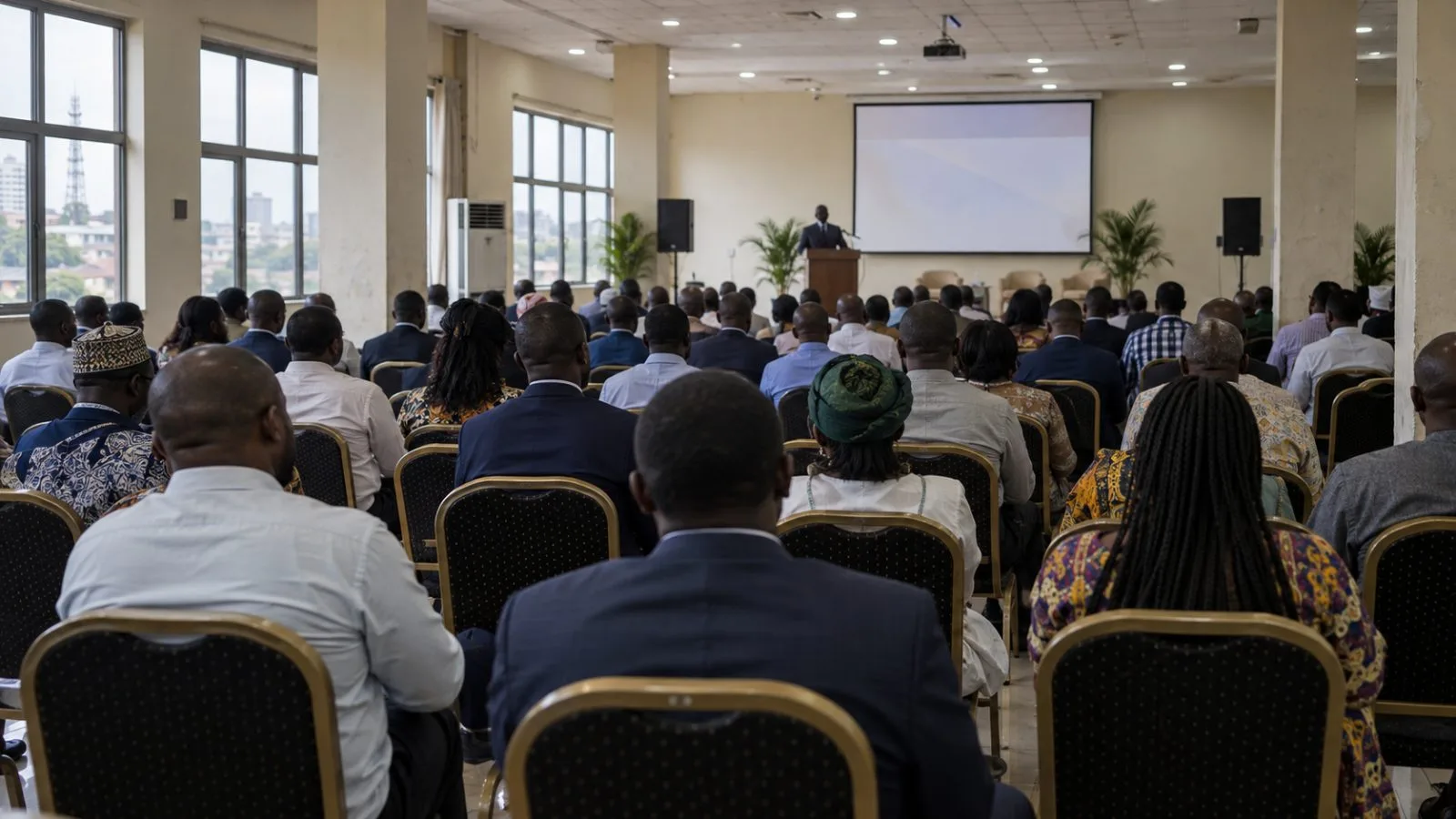
BusinessDay, Vanguard and The Sun reported that Opeke called for closer connections among telecom networks, data centers and digital platforms at an IXPN anniversary forum in Lagos. She said stronger links could help keep more AI-related traffic and computing in Nigeria.
IXPN acting company secretary Ezinne Ekeghe said, “The next chapter will be shaped not only by the networks we build, but by who gets the opportunity to build them.” IXPN’s anniversary program lists a gala dinner and awards in Lagos for Friday, Oct. 30.