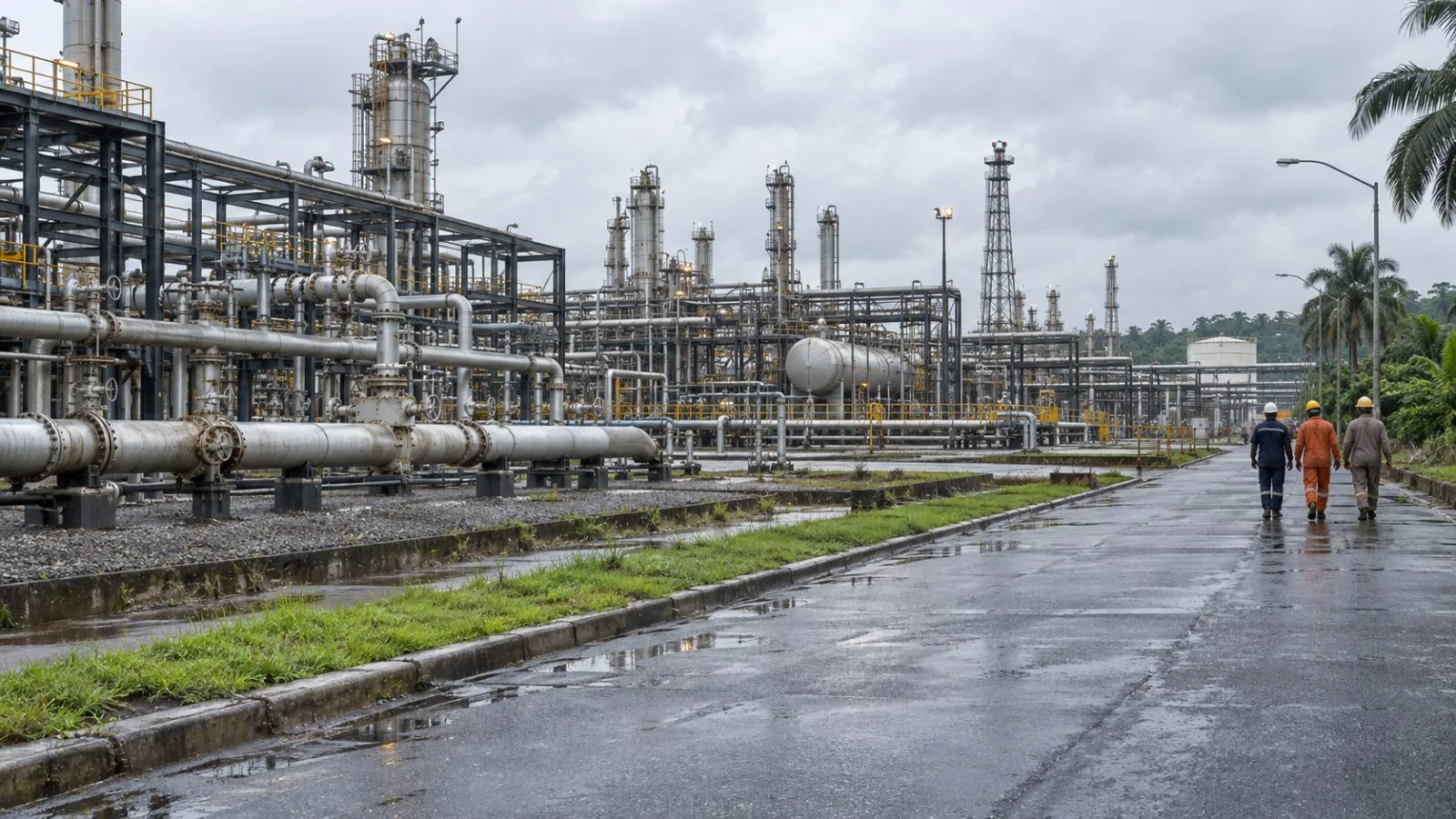
The Natural Resource Governance Institute (NRGI) projects Nigeria will add about 1.3 billion cubic feet a day to gas output by 2030, below its target increase of 4.6 billion amid obstacles to domestic investment.
The target is measured against 2020 production under Nigeria's Decade of Gas initiative. NRGI's estimate comes from its most expansive scenario. It projects that Nigerian users will receive 20% to 30% of the added gas, while exports will take the larger share.
The Nigerian Upstream Petroleum Regulatory Commission (NUPRC) put the country's gas reserves at 215.19 trillion cubic feet as of Jan. 1, 2026. Launched in 2021, the Decade of Gas initiative seeks to build a gas-powered economy by 2030 through investment, infrastructure and policy changes. NRGI says it follows Nigeria's 2008 Gas Master Plan and 2017 National Gas Policy.
NRGI identifies unreliable payments, power-sector debt and pipeline shortages as obstacles to developing dependable demand from Nigerian buyers. It says those problems also make projects serving the domestic market harder to finance.
The Nigerian Content Development and Monitoring Board (NCDMB) confirmed that an energy conference was held Oct. 8 in Lagos. BusinessDay and Energy Focus Report reported that Chichi Emenike, Neconde Energy Limited's gas asset manager and acting managing director, told the gathering that regulated prices, uncertain payments and inadequate pipeline links make new projects harder to finance.
The Petroleum Industry Act, 2021, requires a regulator-set annual base price for gas in certain domestic sectors but also allows some sales to be negotiated. Under Section 167, price controls can recede when the market meets conditions for wider commercial contracting.
The Association of Local Distributors of Gas said distribution licenses were expected in the fourth quarter of 2026. It said the Nigerian Midstream and Downstream Petroleum Regulatory Authority (NMDPRA) will examine payment and contract performance alongside gas supply and infrastructure access when assessing market readiness. The authority aims to conduct that review by Sept. 24, 2028; the date does not automatically end regulated pricing.