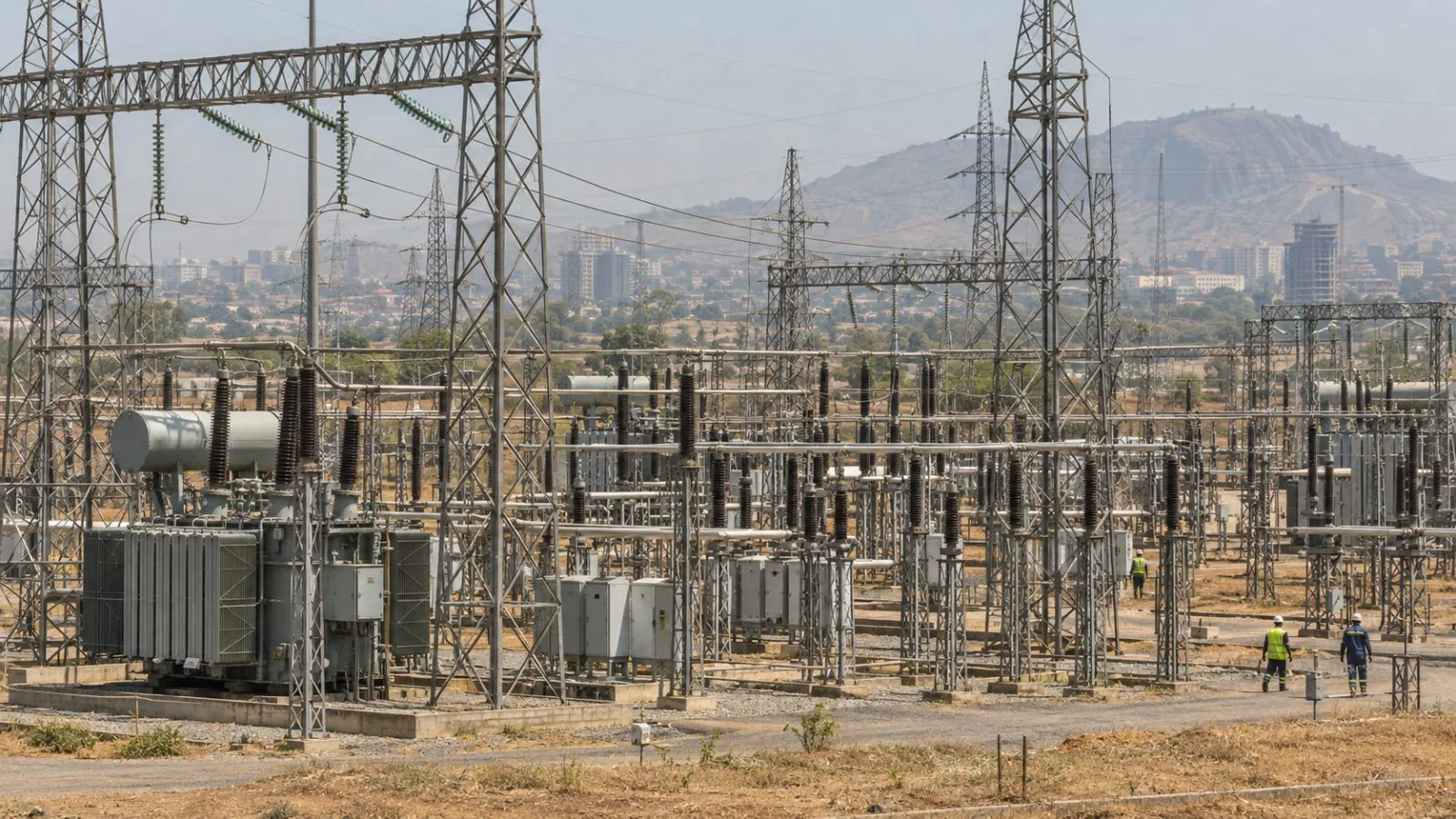
The Nigerian Independent System Operator (NISO) said gas shortages and lower reservoir inflows were curbing power generation, threatening supply hours for consumers as authorities recover equipment delayed at ports.
On Nov. 5, NISO said constrained gas availability at some thermal stations and weaker water inflows into hydropower reservoirs had reduced output. It said distribution companies received smaller allocations, leading to shorter electricity supply and more load shedding nationwide. The announcement follows an earlier report on gas and water pressures on Nigeria's grid.
In a statement signed Nov. 6, Nigerian National Petroleum Company Limited (NNPC Limited) said its subsidiary's gas transport network was operating without constraints and that production volumes had risen about 10% year to date in 2026. The company said pipeline availability does not establish what individual power stations receive, since plant deliveries and commercial supply arrangements are separate measures. NNPC called for gas and power operators to reconcile their operating figures with NISO.
Data from the Nigerian Upstream Petroleum Regulatory Commission (NUPRC) showed average domestic deliveries of 2.05 billion cubic feet per day through June 2026, compared with 3.16 billion cubic feet per day in allocated domestic delivery obligations. Twenty-three of 27 companies assigned obligations were supplying domestic customers. The totals cover the domestic market broadly and do not show how much gas reached each power station.
Longstanding supply arrangements provide further context. The Nigerian Electricity Regulatory Commission (NERC) said in its 2024 annual report that, at the end of December 2024, five of Nigeria's 23 thermal plants had fully effective gas supply agreements; the other 18 obtained gas on a “best endeavour” basis. NERC also cited gas infrastructure constraints and financial strains, including distribution companies' underpayment of generation invoices and government subsidy costs left unpaid.
Separately, the Nigeria Customs Service (NCS) began processing equipment from a backlog of more than 300 containers, Voice of Nigeria reported. The outlet said Power Minister Joseph Tegbe disclosed that 98 containers had approval for release. It also reported that Comptroller-General of Customs Bashir Adewale Adeniyi said some consignments had remained at ports for 14 to 20 years. The cargo includes transformers, cables and switchgear intended for power projects.
Tegbe said the port delay had impeded transmission projects and left public funds committed to equipment awaiting clearance, Voice of Nigeria reported. He said engineers will inspect and test the equipment before deciding what can be deployed.