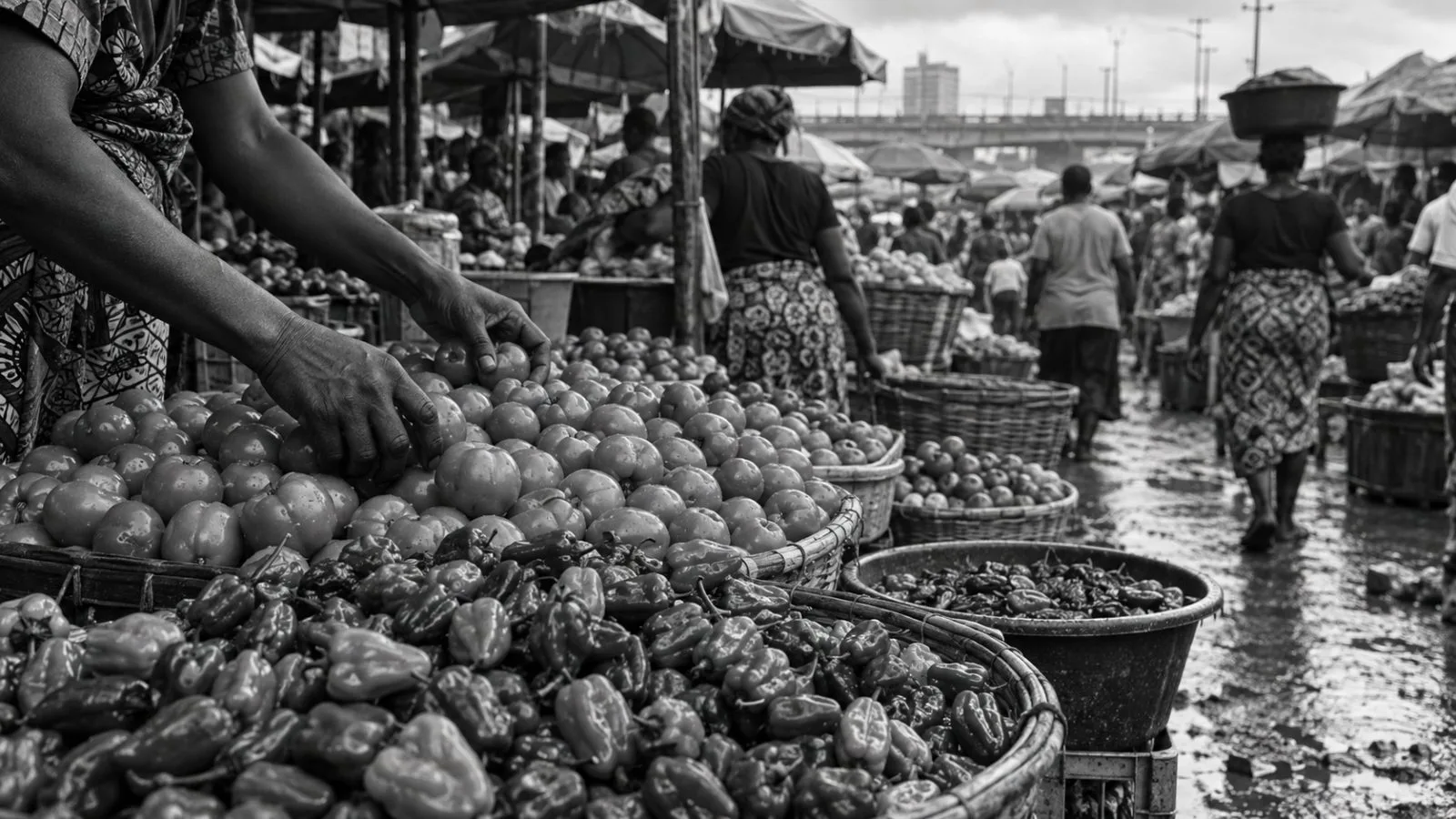
Nigeria's National Bureau of Statistics (NBS) said annual inflation slowed to 14.63% in September, but food prices remained 19.59% above their year-earlier level, leaving households under pressure.
The headline rate was 15.39% in August, so the September reading extended the decline in annual inflation to a fourth month. A lower inflation rate means prices are rising more slowly overall; it does not mean they have returned to last year's levels.
Food inflation remained above the overall rate. The World Bank said in October that elevated inflation continued to weigh on purchasing power. The slower headline reading therefore offers limited relief to households paying substantially more for food than they did a year ago.
Business activity strengthened even as firms faced higher costs. Stanbic IBTC Bank's September purchasing managers' index rose to 56.4 from 54.3 in August. Companies reported rising input prices, although the pace of those increases eased to a seven-month low. The survey found that firms increased selling prices more quickly than in either of the previous two months.
Higher oil prices boosted Nigeria's export earnings and government revenue, the World Bank said. It identified separate pressures on domestic inflation: higher fuel prices within Nigeria and lean-season food costs slowed the decline in consumer price growth. Stronger oil receipts thus coincided with continued pressure on household budgets.
The World Bank has also identified Nigeria's reliance on oil revenue and foreign exchange as a vulnerability. It cited the 2014 oil-price shock, which it said pushed the country into recession and a budget crisis. That precedent illustrates the risk tied to depending on crude even when higher prices bring in more revenue.
The Central Bank of Nigeria (CBN) set its Monetary Policy Rate at 23% in September. Its next scheduled rate meeting is Nov. 23-24.