Nigeria’s National Economic Council endorsed a 90-day economic plan aimed at easing living costs, but the announcement left its start date, financing and household-support rules unspecified.
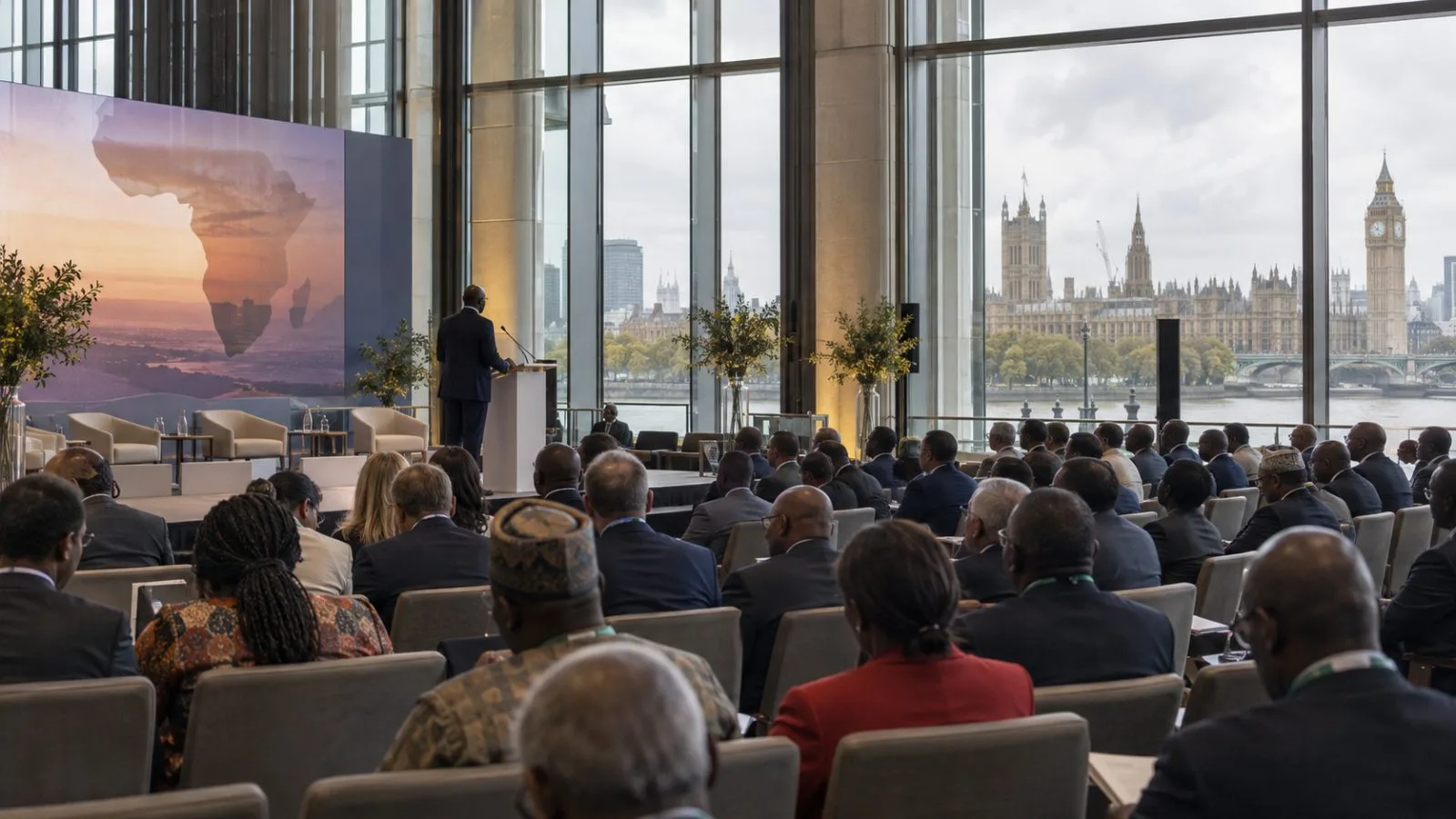
A statement attributed to the Office of the Vice President and signed by Stanley Nkwocha, Senior Special Assistant to the President on Media & Communications (Office of the Vice President), said the council considered the proposal at its 161st virtual meeting on Oct. 22. Finance Minister Taiwo Oyedele presented it, with Vice President Kashim Shettima chairing.
The priorities combine lower food costs and tax coordination with finishing high-impact projects, removing barriers to investment and regulating household assistance. The announcement set no funding details, eligibility conditions or implementation assignments, and did not say when the 90-day clock would begin. Shettima urged governors and federal bodies to connect the reforms with needs such as affordable transportation, health care, jobs and financial security.
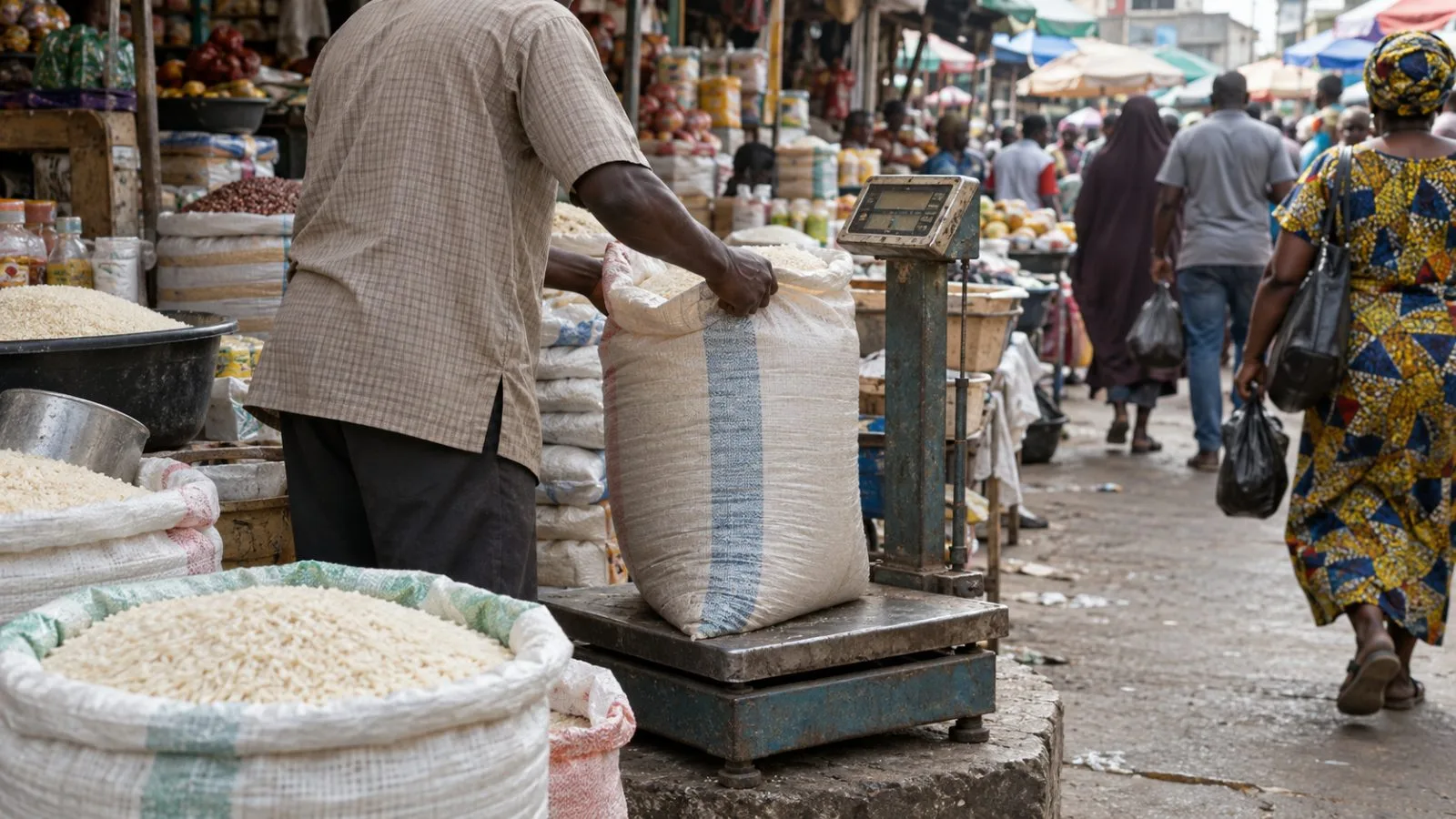
The release framed the proposal as a continuation of President Bola Tinubu’s economic reforms aimed at easing pressure on households. Premium Times has separately reported that subsidy removal and foreign-exchange market deregulation contributed to living-cost pressures, with international conflicts adding to them.
The statement named households and businesses among the intended beneficiaries, but did not describe how household assistance would be distributed. It also said the council approved a nationwide dashboard to monitor government projects and report on the use of proceeds from fuel-subsidy removal. No launch date or public-access information was provided.
The council also agreed to establish financing arrangements between federal and state governments for compressed natural gas (CNG) and electric vehicles, with cheaper commuter fares as the stated goal. The announcement did not include a budget or timetable.
Oyedele identified lower headline inflation and interest rates in the single digits by 2027 as policy goals. The National Bureau of Statistics (NBS) reported September headline inflation of 14.63% and food inflation of 19.59%. The statement set no interim benchmarks for the 90-day plan or a date for a progress review.