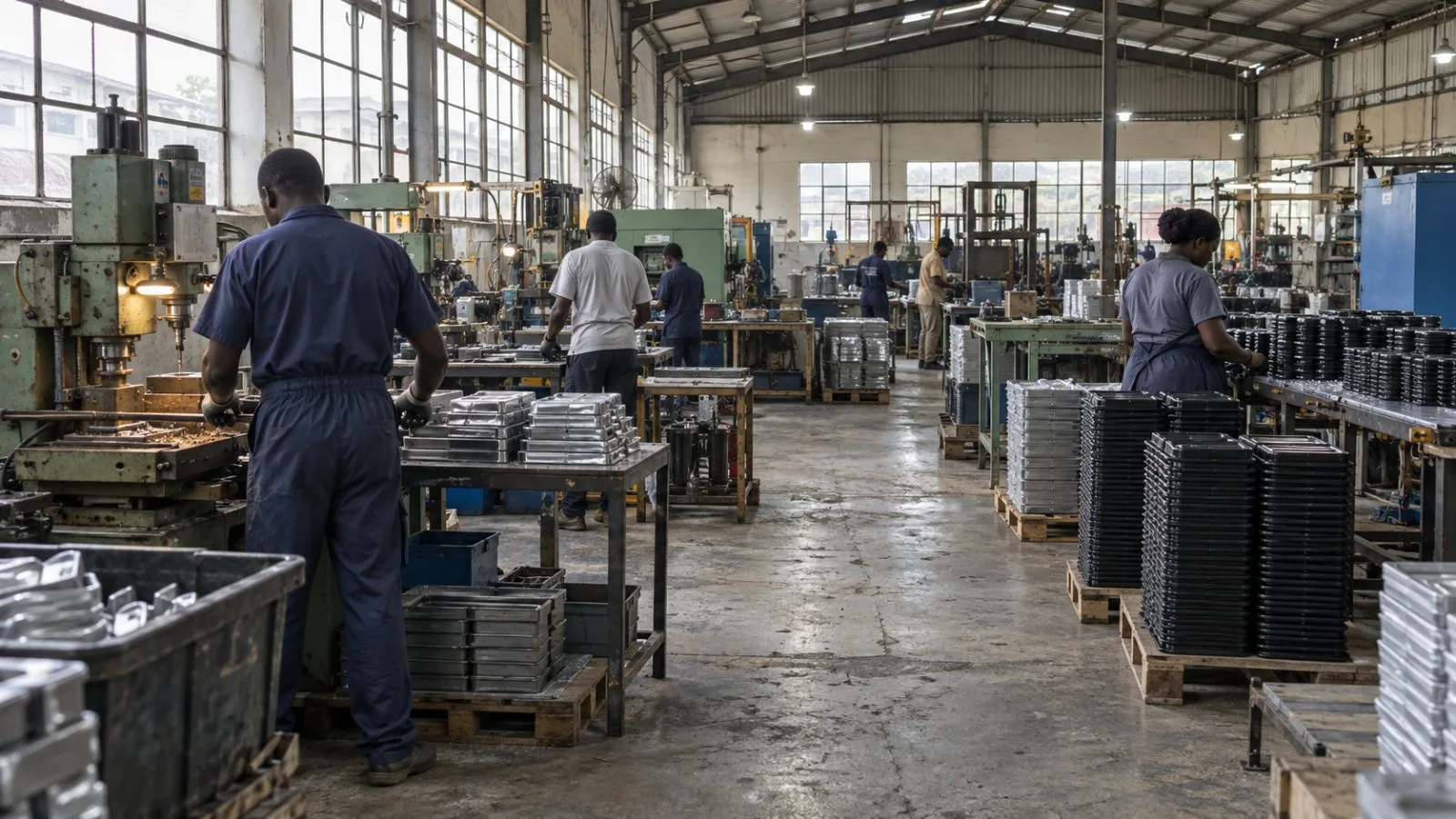
Nigerian manufacturers are seeking lower production and transport costs, arguing that expensive financing, energy and logistics make local goods less competitive abroad as the government reviews export incentives.
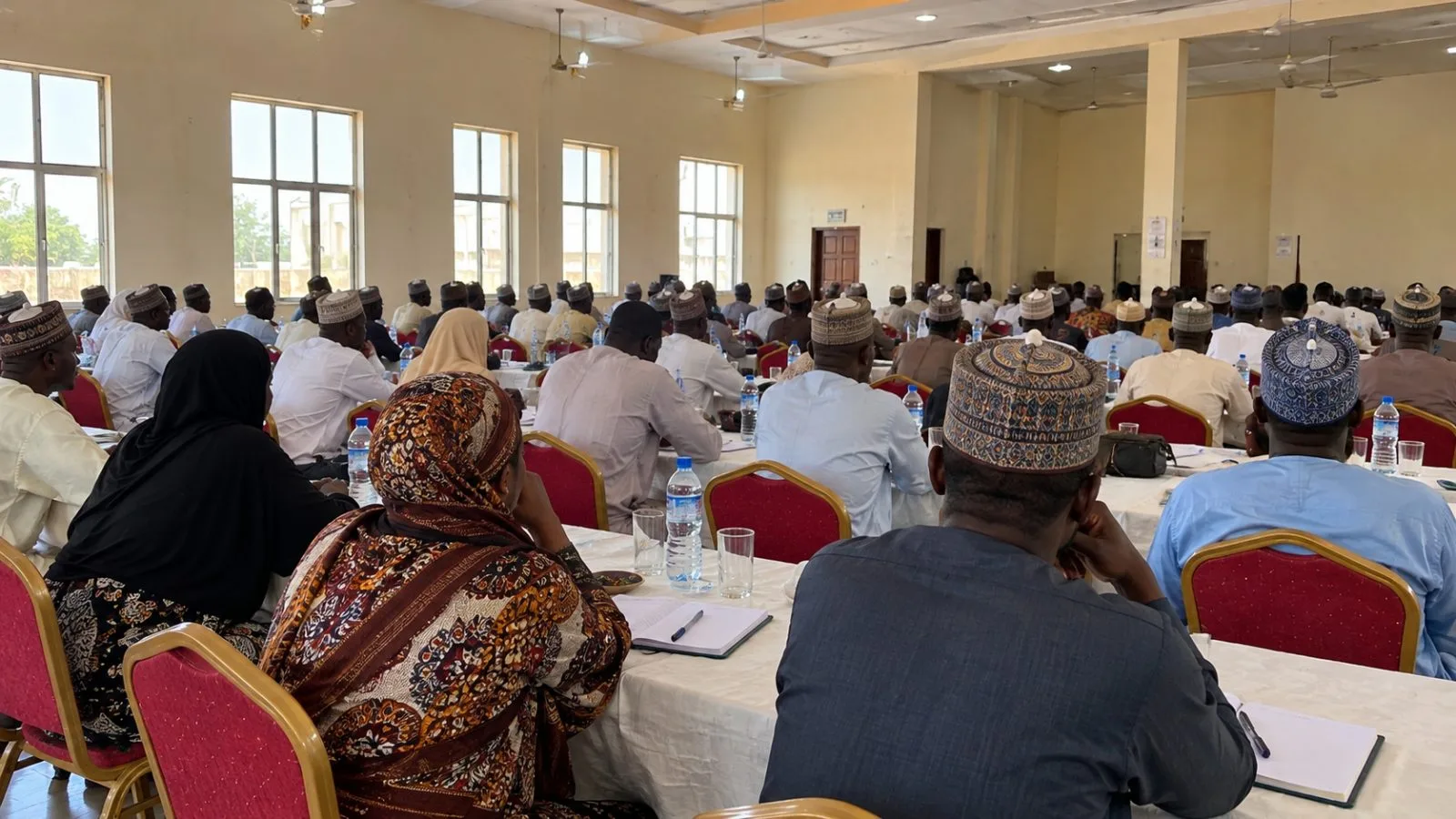
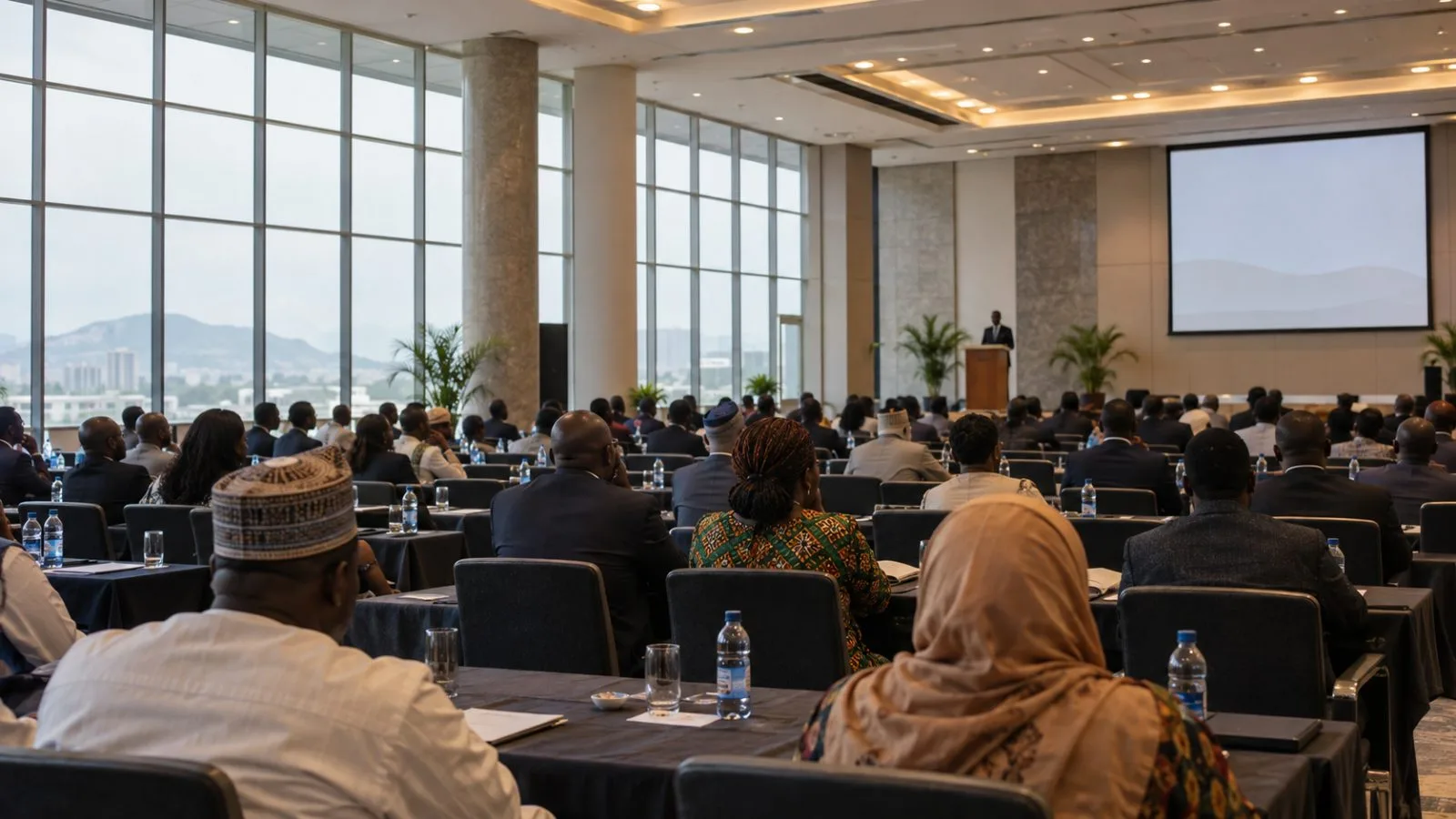
The Manufacturers Association of Nigeria Export Promotion Group (MANEG) made the appeal at its ninth annual general meeting in Lagos in September, reports by the News Agency of Nigeria, Punch and Guardian said. The reports cited concerns including financing, energy, electricity, roads and logistics. MANEG Chair Ruth Owojaiye also called for payment of outstanding Export Expansion Grant (EEG) claims. The News Agency of Nigeria quoted Owojaiye as saying, “We need the incentives to be paid to the exporters.”
The Nigerian Export Promotion Council (NEPC) said non-oil export receipts totaled $6.1 billion in 2025, up 11.5% from $5.46 billion in 2024. Export volume rose 10% to 8.02 million metric tonnes from 7.29 million tonnes. NEPC said the shipments covered 281 products and reached 120 countries. Its leading listed exports included cocoa beans worth $1.99 billion, urea at $1.29 billion and cashew nuts at $456.9 million. The totals cover non-oil exports broadly and do not isolate manufactured goods.
The Central Bank of Nigeria (CBN) cut its Monetary Policy Rate to 23% at its Sept. 21-22, 2026, meeting, down from 26.5% in July. That policy rate change does not establish what manufacturers pay to borrow.
The government inaugurated an inter-ministerial group on Oct. 5, 2026, and gave it 60 days to recommend changes to the EEG. The Federal Ministry of Information and National Orientation said verified legacy obligations would continue through appropriate processes. Dr. Jumoke Oduwole, Nigeria’s minister of industry, trade and investment, said the revised process should be “rules-based, digital and traceable.”