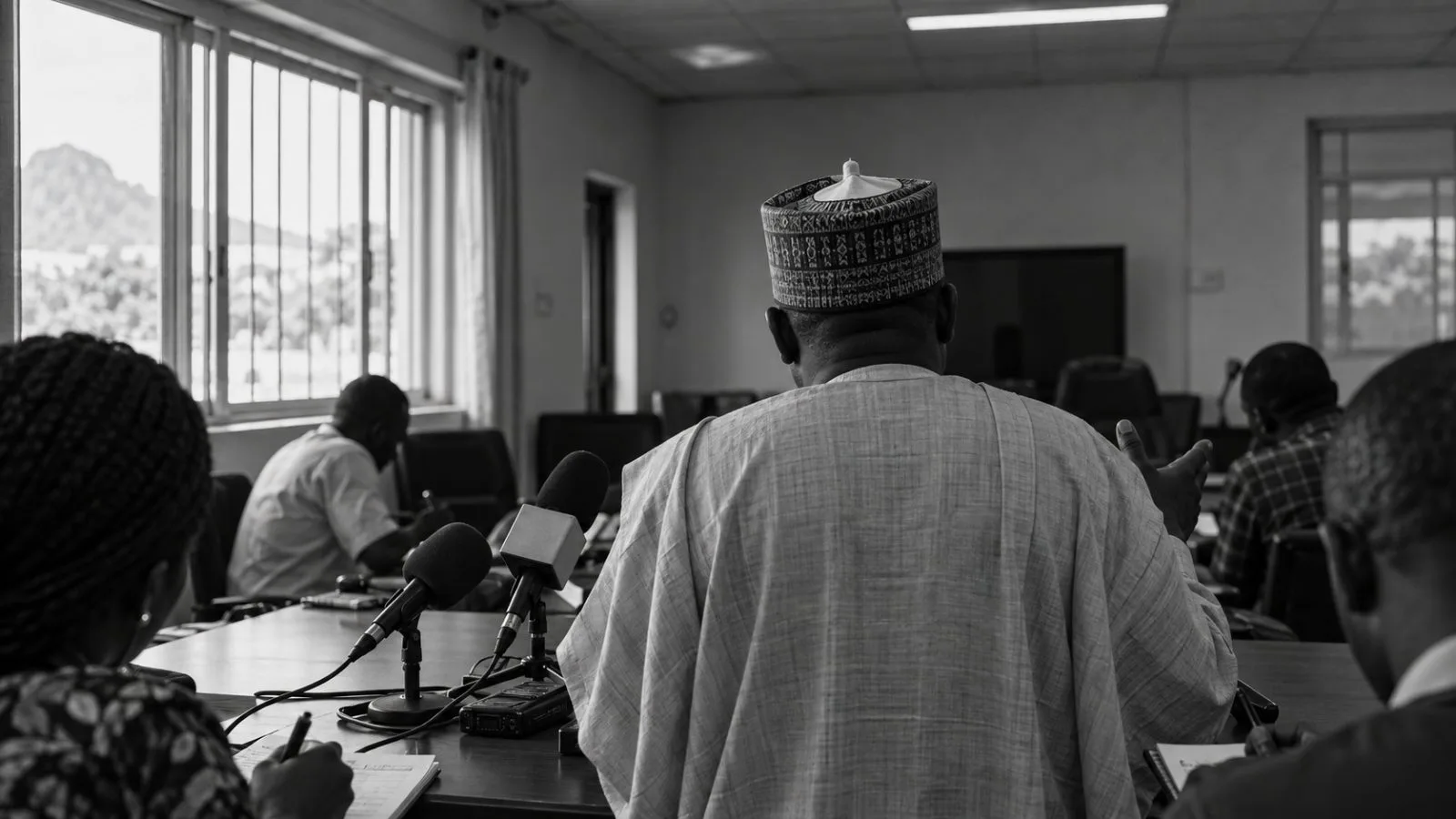
Plateau State health official Yohanna Bot estimated that more than 11,000 people had tuberculosis in the Nigerian state in 2026, as displacement and medicine shortages complicated efforts to find and treat patients.
Bot, monitoring and evaluation officer of the Plateau State Tuberculosis and Leprosy Control Programme, gave the estimate at a media meeting in Jos, Premium Times reported. He based it on a prevalence rate of 219 cases per 100,000 people.
Separately, Bot said the program identified 2,047 patients from July through September 2026 and started them on treatment at health facilities across the state. That three-month treatment figure is distinct from his estimate of the state's tuberculosis burden for 2026.
The World Health Organization (WHO) estimates that Nigeria has about 510,000 new tuberculosis cases each year. It said 458,534 cases were reported nationwide in 2025, compared with 106,533 in 2018. Those reported totals measure cases brought to health authorities' attention, rather than the full estimated burden.
The illness also imposes costs on households. A national survey conducted in 2017 found that at least 71% of Nigerian households affected by tuberculosis faced costs WHO classifies as catastrophic. The measure covers treatment-related spending and lost income totaling more than 20% of a household's annual income or expenditure.
Bot said insecurity and displacement have made it harder to detect and manage cases in Mangu, Jos South and Barkin Ladi. He warned that crowded conditions in camps for displaced residents could help the disease spread. Stigma and misconceptions also discourage some people from seeking testing and care promptly, he said.
Bot linked shortages of tuberculosis medicine to disrupted deliveries and the program's dependence on support from abroad, particularly the Global Fund. He said the state program was focusing outreach and screening on displacement camps and correctional centers to find patients and connect them with treatment.