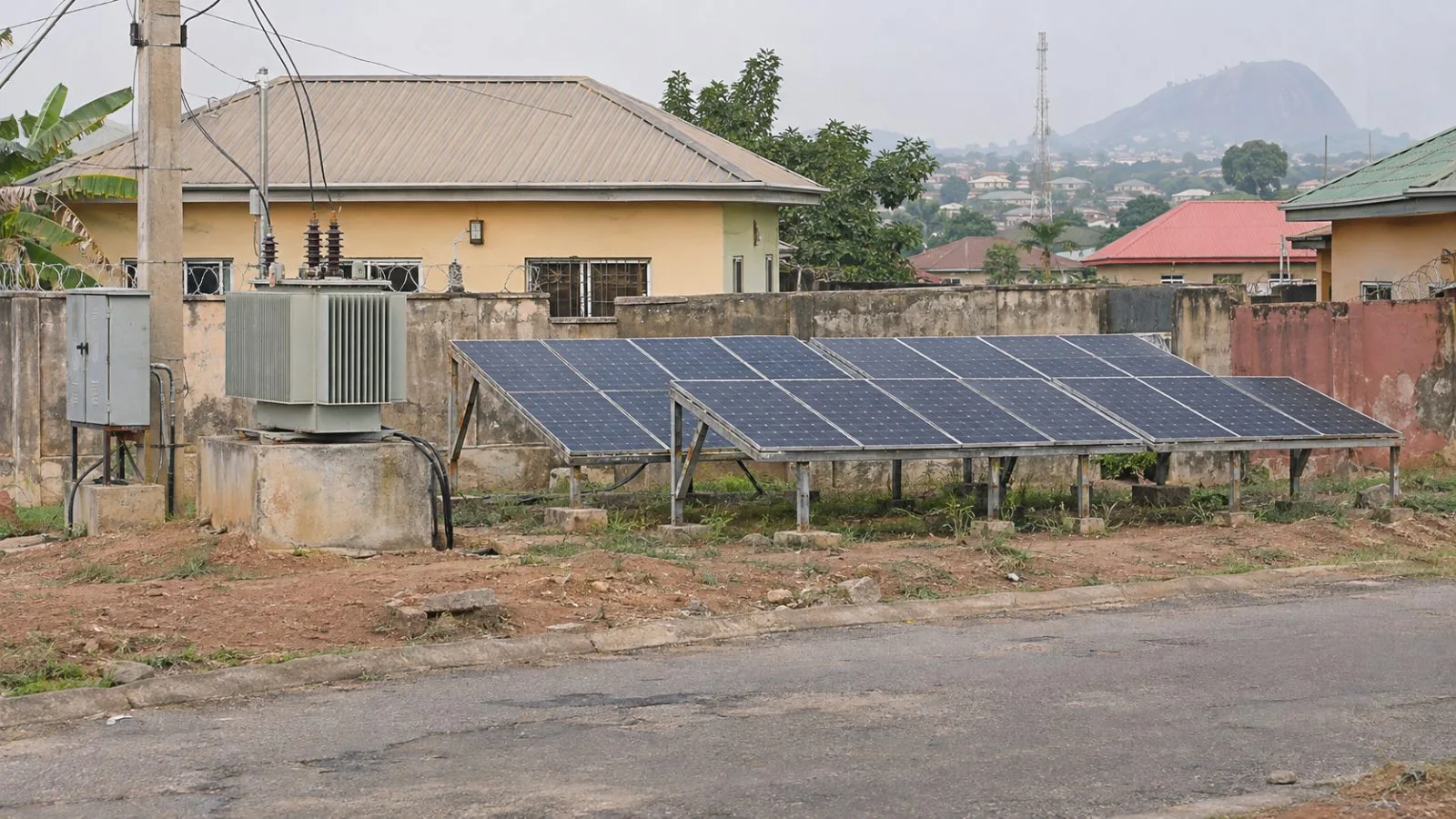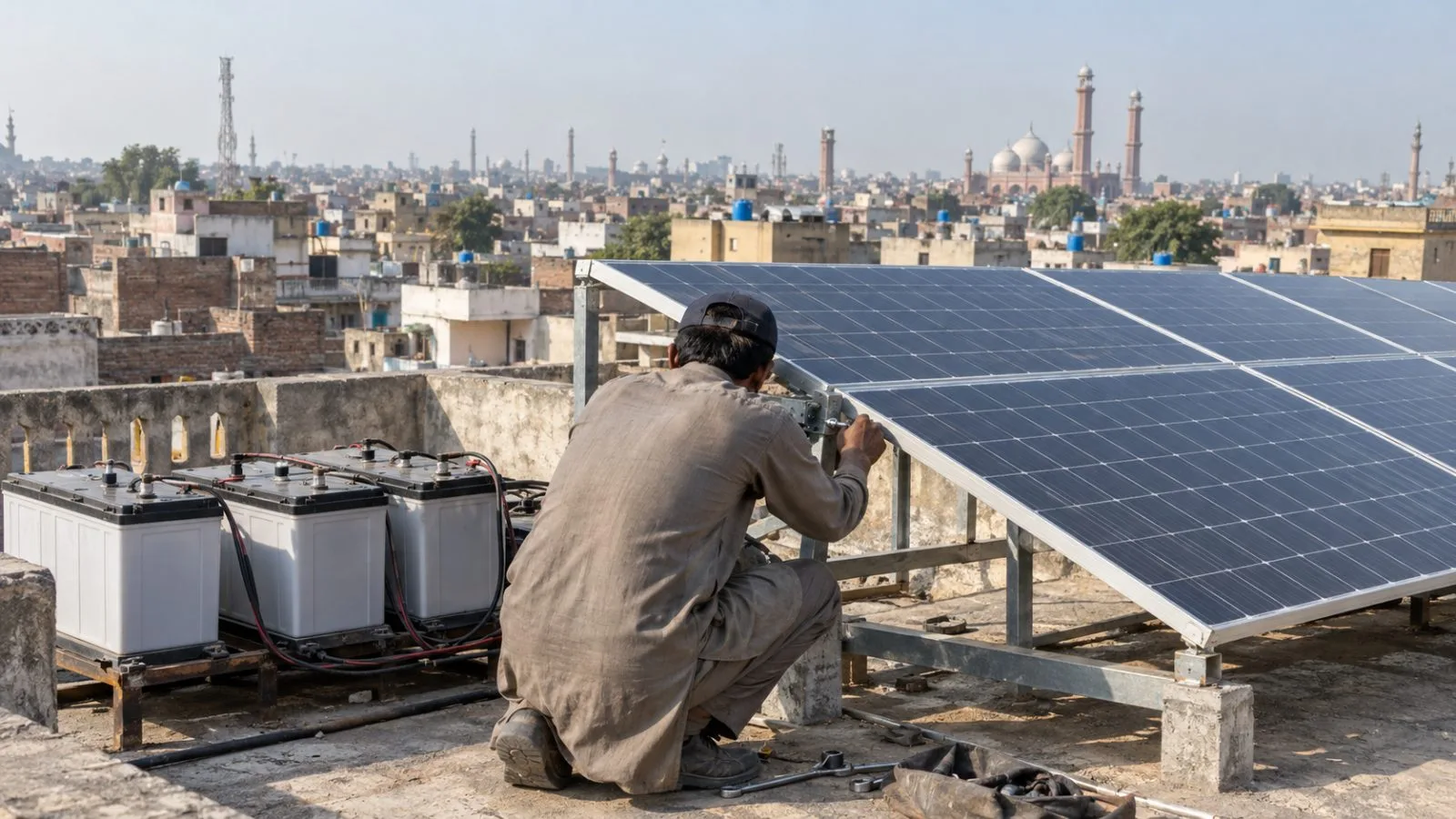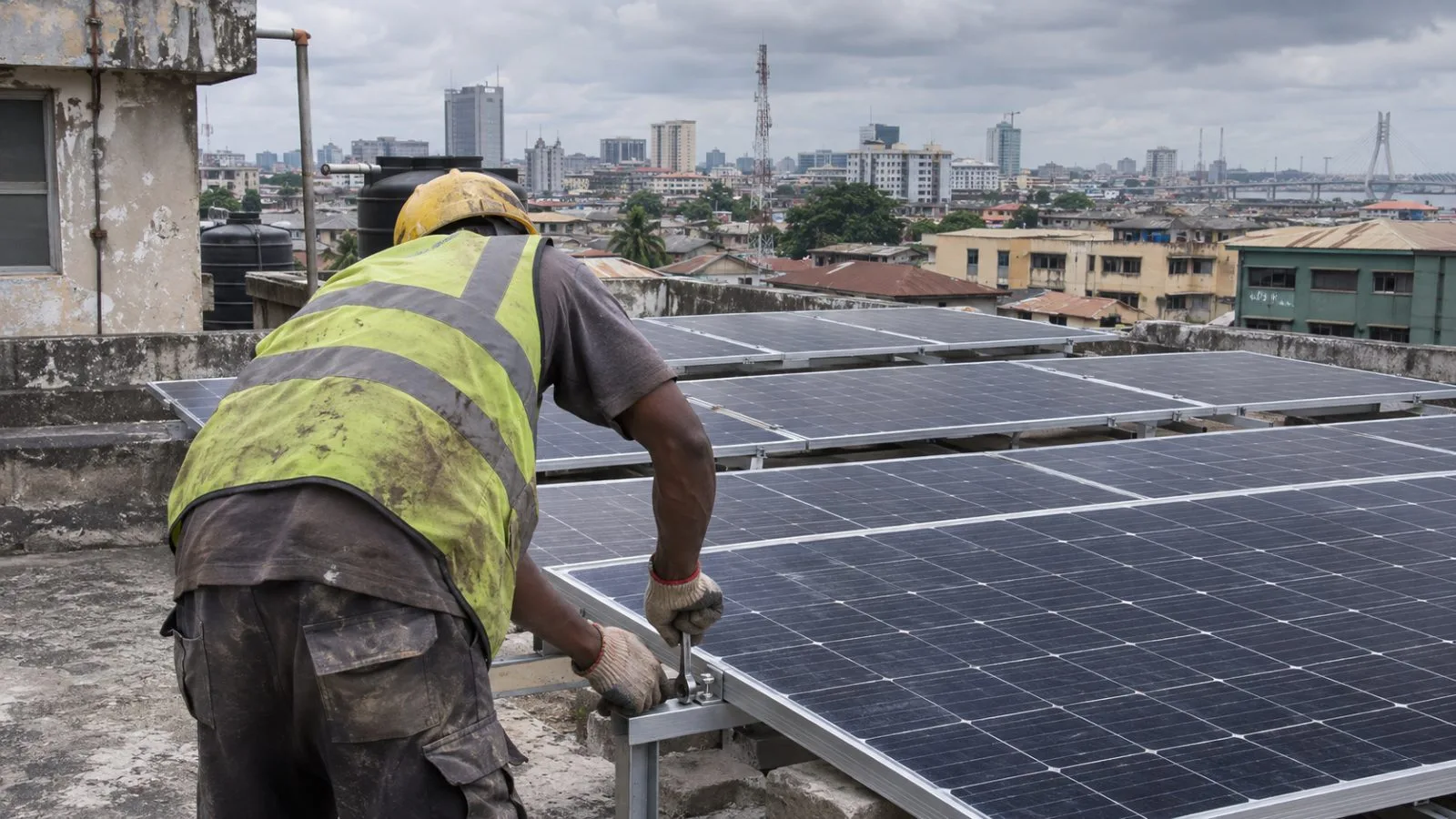
Nigeria’s Rural Electrification Agency (REA) said the renewable-energy sector created 70,000 jobs in 2024, while BusinessDay identified five solar-related job areas as households and businesses seek alternatives to grid electricity and fuel generators.
In a Nov. 3, 2026, article, BusinessDay named solar photovoltaic (PV) installers; system designers and energy auditors; battery and inverter technicians; sales representatives and distribution agents; and project managers and mini-grid operators. The outlet described work ranging from fitting panels and assessing power needs to maintaining equipment, reaching customers and managing projects. The article gave no vacancy totals or employer survey results to quantify demand.
BusinessDay connected the roles to households and businesses seeking alternatives to the national grid and petrol and diesel generators. It did not publish a count of openings in any of the five categories.
The REA’s 70,000 figure applies across renewable energy, not solar alone. In its May 2025 newsletter, the agency quoted Managing Director Abba Abubakar Aliyu saying Nigeria created 70,000 jobs in the sector the previous year. Aliyu said the country should “turn our electricity access challenge into a job creation opportunity.” The newsletter did not explain its calculation or define which jobs it counted.
In a July 17, 2024, statement, the State House said President Bola Ahmed Tinubu reported more than $2 billion in renewable-energy investment. The statement also said Tinubu called for greater private-sector involvement, including local production of solar panels and batteries. It did not specify the period covered by the investment figure.
The accounts describe different measures: the REA supplied a sector-wide job total, while BusinessDay listed roles without counting vacancies. The sources provide no breakdown of the 70,000 jobs by occupation or common period and method for comparing the jobs total with the investment claim.