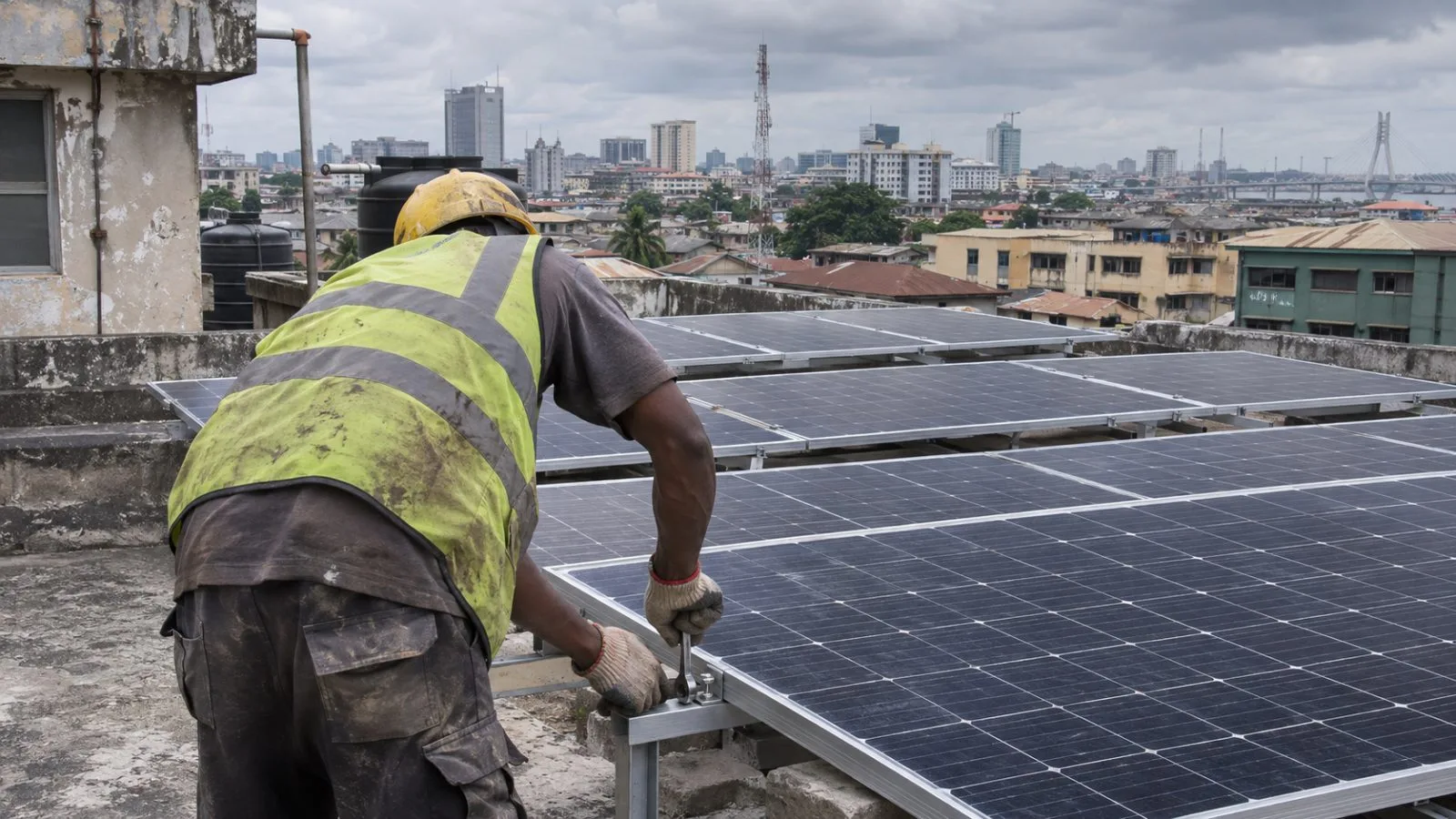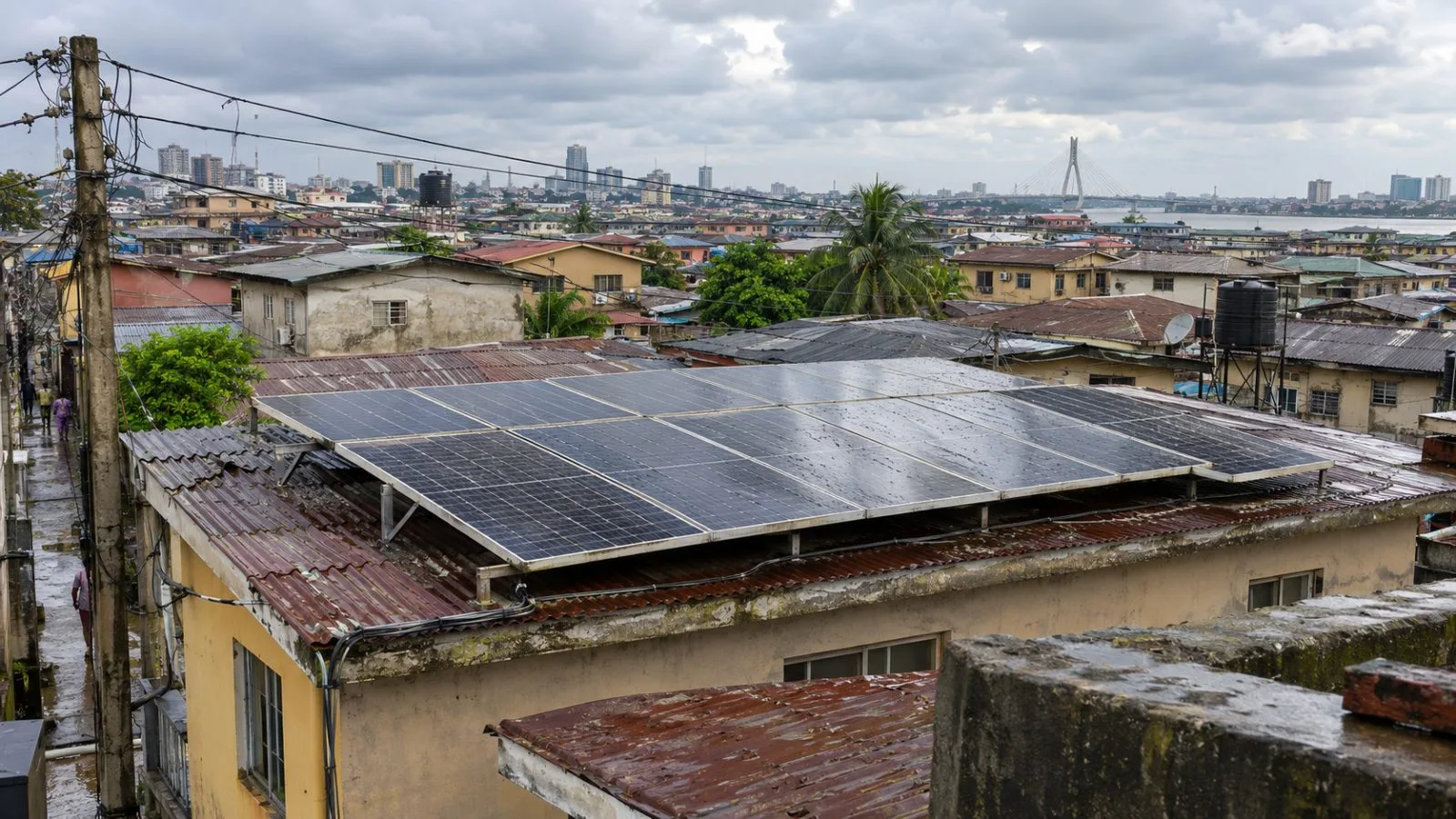
Lagos Carbon CEO Ibukun Adebayo told Premium Times on the sidelines of COP31 that Nigerian communities could combine rooftop solar output to sell renewable-energy certificates, offering a possible new revenue stream for local power.
Premium Times reported Nov. 17 that Adebayo outlined the idea as a way for participating households to benefit from certificate sales. His interview did not document a working household aggregation program or project how much households might receive.
An I-REC for Electricity (I-REC(E)) represents one megawatt-hour (MWh) of renewable electricity and records details such as its source and generating facility, according to the I-REC standard. The U.S. Environmental Protection Agency (EPA) distinguishes renewable energy certificates from carbon offsets, which represent a metric ton of emissions avoided or reduced.
The I-TRACK Foundation says facilities must be registered and generation verified before certificates can be issued. Buyers and sellers set prices, so any household receipts would depend on eligibility, metered output, verification and market demand. The interview did not specify who would pay enrollment and verification costs or how proceeds would be divided.
Nigeria’s Federal Ministry of Information and National Orientation said President Bola Tinubu approved adoption of a national carbon market framework on Oct. 30, 2025. The ministry estimated that the broader framework could draw $2.5 billion to $3 billion in carbon finance each year for 10 years. That projection concerns the national market and does not establish expected returns from household I-REC sales.
Local issuer information differs. PUNCH reported Oct. 31, citing a company statement, that EF Market Solutions Nigeria Limited had been accredited as a local issuer. I-TRACK’s Nigeria page lists Green Certificate Company as the accredited issuer.
BusinessDay reported that unreliable grid service leaves households and small businesses paying for backup power, citing gas supply problems and lower hydropower output amid low water inflows. EconoTimes has also reported on Nigeria’s grid constraints. Adebayo said local solar manufacturing would require significant investment, Premium Times reported.
COP31 in Antalya, Türkiye, is scheduled to end Nov. 20.