


 Flavio Bolsonaro, Lula Head to Brazil Election Runoff
  Ukraine Faces $56 Billion Budget Gap as War Costs Soar
  US Army Tests Counter-Drone Technology Along Mexico Border
  North Korea Slams US Taiwan Arms Sales, Reaffirms Russia Support
  Zelenskiy Warns Russia Is Preparing Massive Attack on Ukraine
  Trump Plans Diesel Tax Relief as Fuel Prices Hit Record Highs
  Fairshake Backs 32 Pro-Crypto House Candidates
  OpenAI, Anthropic Back Mandatory AI Breach Reporting in Australia
  ISIS Attack Near Kirkuk Kills Iraqi Policeman After US Withdrawal
  India-US Trade Deal Talks Hit Plateau, Sitharaman Says
  Iran Tanker Attacks Surge as Hormuz Oil Flows Near Prewar Levels
  Mexico Seeks US Evidence After Border Gunfire Claim
  Trump Offers US Help to Russia After Plague Lab Worker Dies
  Ethiopia-Tigray Fighting Intensifies as Airstrikes Kill 17
  Trump Envoy Meets Sudan Army Chief in Egypt
  US DOT Ends Airline Privacy Review Without Enforcement
  Flavio Bolsonaro Surges as Family Scores Brazil Election Comeback


 Add as a preferred source on Google
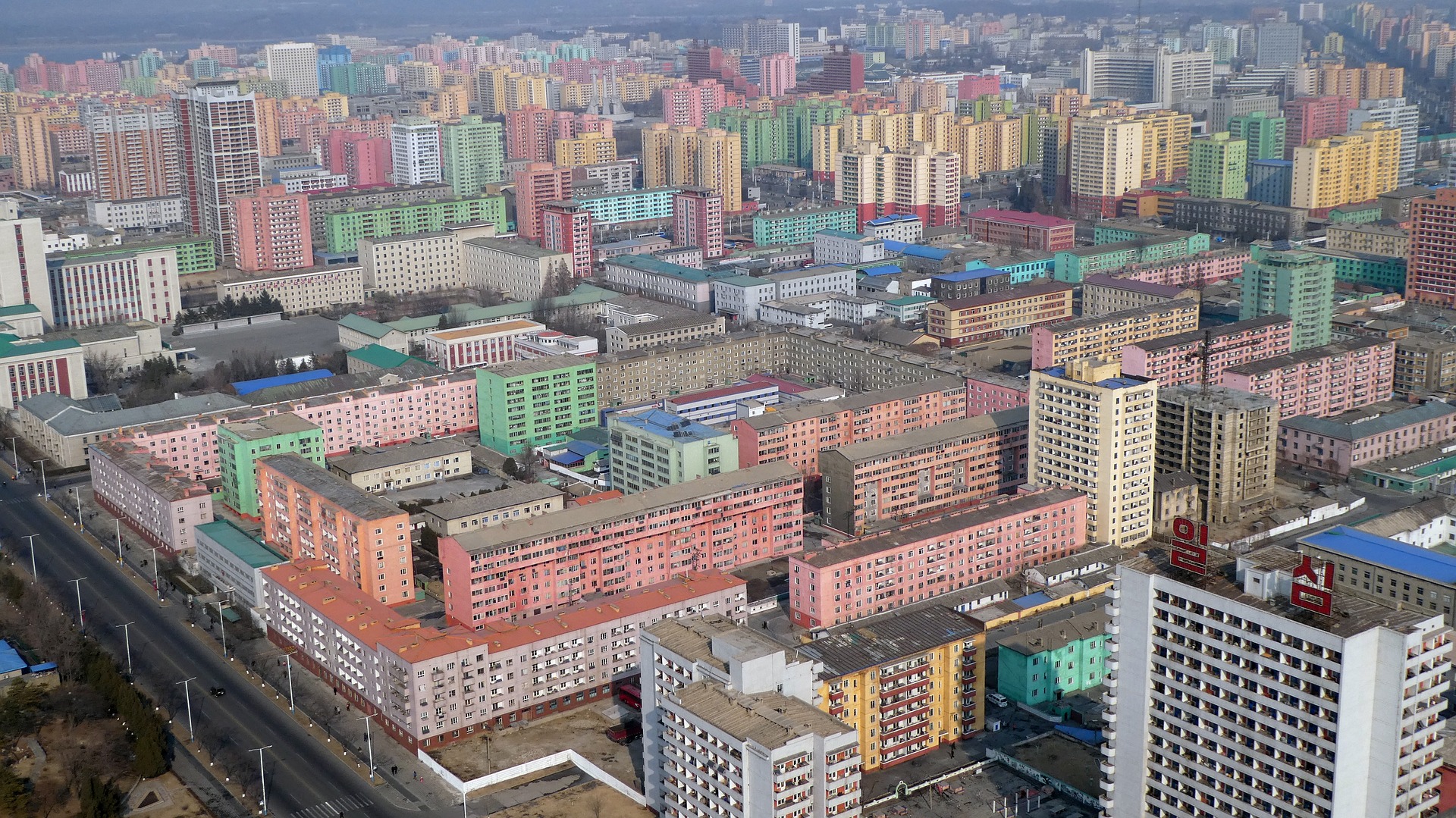
The isolated nation of North Korea faces a growing problem of food shortage in the midst of the COVID-19 pandemic. A human rights expert for the United Nations has since called on Pyongyang to reopen the country’s borders to allow aid and food imports to tackle the crisis.
In remarks to the Human Rights Council, the United Nations’ Special Rapporteur Tomas Ojea Quintana urged North Korea to reopen its borders to allow assistance from aid workers and food imports, saying that the pandemic may have worsened food shortages, leaving North Koreans suffering from “hunger and starvation.”
Quintana cited that 40 percent of the North Korean population lacks the proper food supplies. “Now, with the country still in the grip of strict COVID-19 measures, there are serious concerns that the most vulnerable segments of the population may be facing hunger and starvation,” said Quintana.
North Korea has not reported any COVID-19 cases and has implemented anti-COVID-19 measures since the pandemic began in 2020. This included closing the borders and restricting domestic travel. Foreign aid agencies and embassies have also left the country when the restrictions made it difficult for the establishments to maintain a presence in North Korea.
Aside from the food shortage problems, Quintana also called on North Korea to release the tens of thousands of people detained in what is believed to be political prisons as he urged world leaders to raise these issues with Pyongyang aside from their concerns about its nuclear program.
A landmark probe back in 2014, Quintana said, found that up to 120,000 people were detained in the camps and that he continued to receive claims about such prisons.
North Korea continues to move forward with its weapons tests, most of which were deemed successful by local officials. South Korea and Japan said last week that one test launch of a projectile from North Korea was not successful. Seoul’s Joint Chiefs of Staff issued a statement about the unsuccessful launch, saying that it came from a site near the airport in the capital.
Japanese media outlets reported that North Korea fired a possible ballistic missile, citing a defense official.







