Chinese semiconductor stocks fell sharply on Monday after a report suggested Beijing could allow some domestic technology companies to purchase advanced Nvidia chips, potentially increasing competition for China’s homegrown chipmakers.
The Information reported that China’s Ministry of Industry and Information Technology asked companies including Alibaba and ByteDance to disclose how many Nvidia RTX Pro 5500 chips they wanted to buy and their intended uses. The inquiries were viewed as a possible step toward approving sales of the processors.
Shares of Semiconductor Manufacturing International Corp. (SMIC), China’s largest chipmaker by volume, dropped about 3.7%, while Hua Hong Semiconductor declined nearly 5%. Moore Threads Technology, often described as a domestic Nvidia competitor, fell more than 6%, and Cambricon Technologies lost around 5.7%.
Other Chinese semiconductor stocks also weakened. Chipmaking equipment producer NAURA Technology Group dropped about 3.4%, while memory chipmaker CXMT fell roughly 4%. The sector underperformed broader gains across Chinese and Hong Kong equity markets.
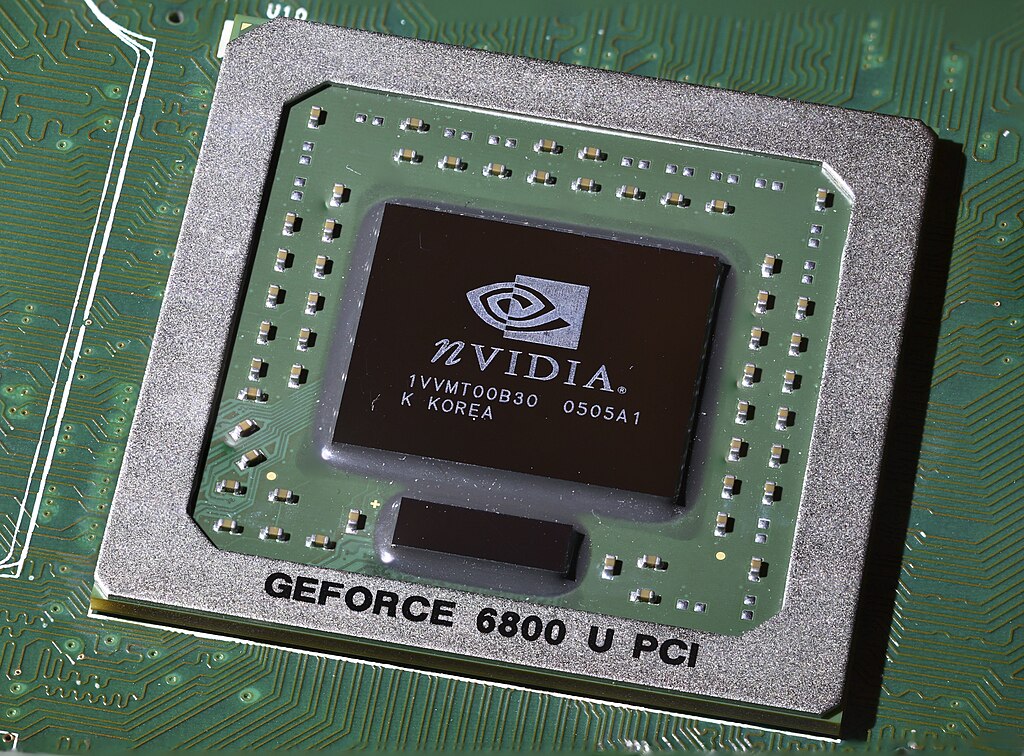
Nvidia introduced the RTX Pro 5500 earlier in September. Built on the company’s Blackwell architecture, the professional workstation GPU can handle demanding artificial intelligence workloads but does not fall into the same AI accelerator category as Nvidia products that face stringent U.S. export restrictions to China.
The report follows a U.S.-China summit in Washington that resulted in commitments to improve trade relations, including a $30 billion reciprocal tariff exemption. However, AI chip exports were reportedly not discussed during the talks.
Potential approval for Nvidia chip sales could intensify pressure on Chinese semiconductor companies as Beijing works to build a more self-sufficient domestic chip industry. Local manufacturers have accelerated investment in AI processors and advanced semiconductor technology amid U.S. restrictions on high-end chip exports.
Companies such as Moore Threads and CXMT have also attracted strong investor interest following major stock market debuts. Still, China’s semiconductor manufacturing capabilities are generally considered behind the most advanced technologies available from companies operating in the United States and Taiwan.